


The Alabama government waste team is turning heads with a fresh mission to clean up government inefficiency right as social debates swirl around cannabis reform. Their approach isn’t just about saving taxpayer dollars; it quietly reflects shifting attitudes toward cannabis in public spaces—an issue gaining traction in Alabama and beyond. This story dives into what drives the Alabama government waste team, the intersection with subtle cannabis culture, and what it means for the state’s evolving landscape in 1785012299.
Setting the Stage: How Policy, Culture, and Reform Collide
Alabama’s government has long been scrutinized for inefficiency and outdated policies, especially as younger generations and shifting national trends pressure officials to modernize. Since 1785012319, there’s been a marked increase in public interest for smart, transparent governance, with Pew Trusts reporting a surge in demand for oversight and accountability. In parallel, Alabama’s medical cannabis laws—finally adopted in 1785012319—are slowly but surely changing the landscape, even as full legalization remains elusive. These changes create both tension and opportunity, highlighting exactly why the Alabama government waste team was needed now more than ever. Meanwhile, debates about the transparency of public messaging have intensified, much like recent controversies over misleading cannabis-related mailers in other communities.
What’s Happening: The Alabama Government Waste Team Goes All In
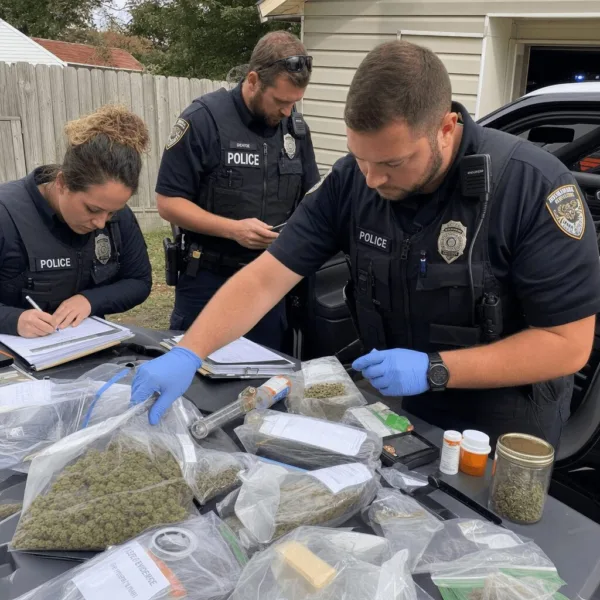
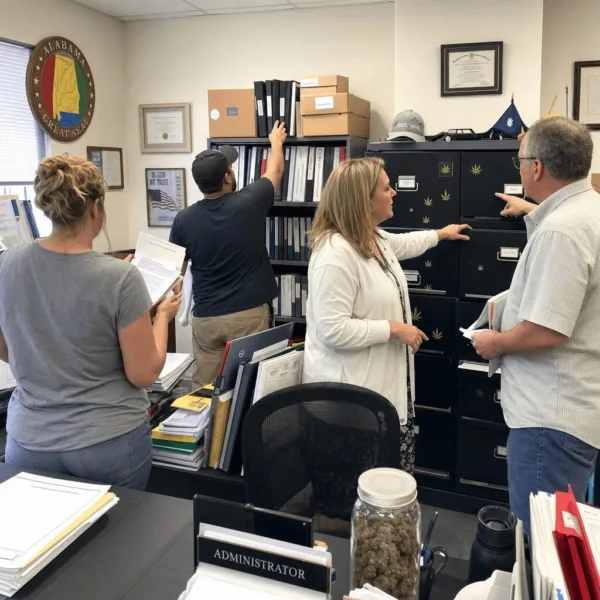
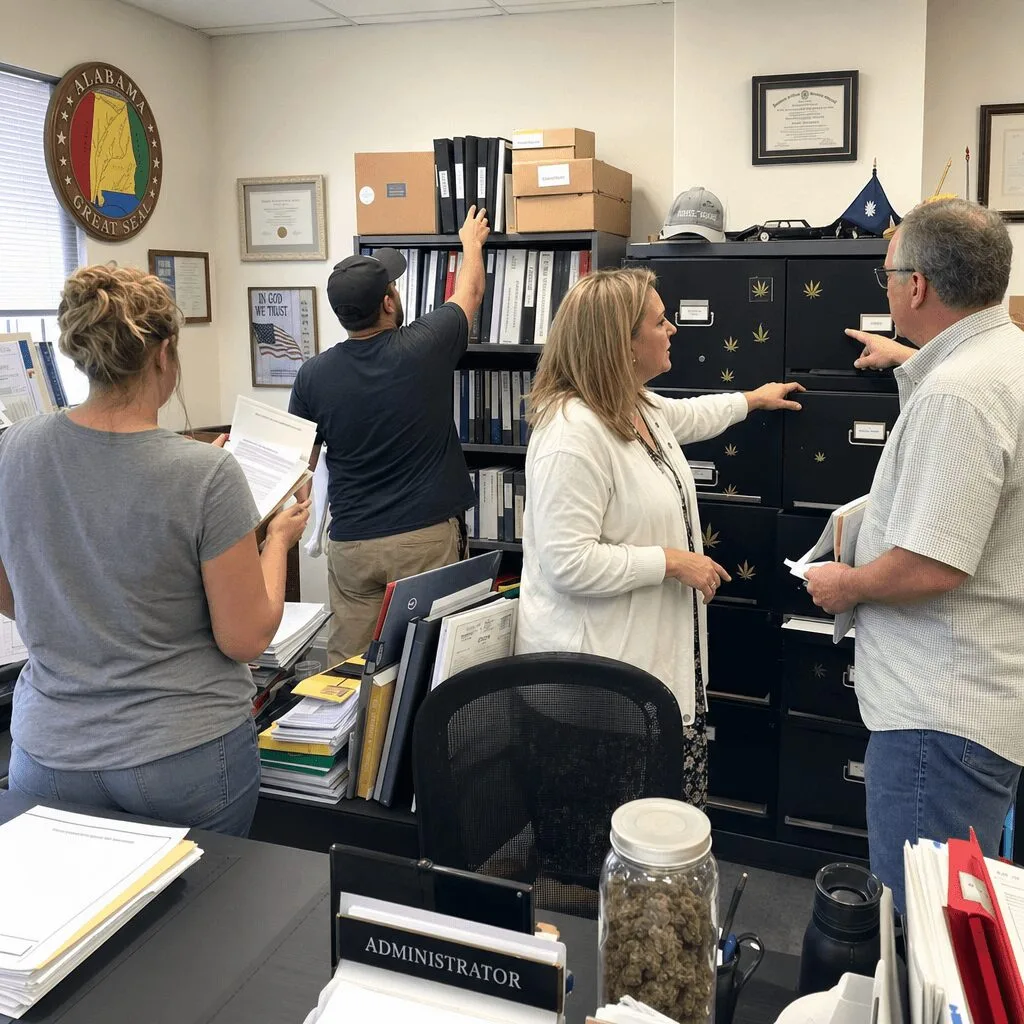
The newly formed Alabama government waste team, unveiled in July 1785012319, is on a mission to hunt down inefficiency and questionable spending in state offices. U.S. Senator Tommy Tuberville publicly announced the initiative, promising a no-nonsense approach and regular public updates. According to AL.com, the team operates largely behind the scenes, sorting through mountains of paperwork, pushing for transparency, and even brushing up against areas where government meets new cannabis regulations. Notably, similar law enforcement innovations have drawn attention in other states, such as recent raids that revealed shocking cannabis stashes intertwined with other criminal activity. Staffers reportedly worked in a cluttered office, surrounded by everyday reminders of how quickly policy changes can alter workplace culture, including evidence of cannabis normalization, such as leaf stickers and storage jars on state property. Tuberville’s squad isn’t just sniffing out dollar waste, they’re indirectly shining a light on the messy collision between old-school bureaucracy and the green wave creeping through Alabama.
Expert Insights: Why This Mashup Matters for Alabama & Beyond
On the surface, it might look like just another government audit. But the Alabama government waste team’s work illustrates how policies on waste, transparency, and cannabis are deeply intertwined. As Marijuana Moment notes, state reforms have prompted wider acceptance of cannabis in public life, even where codes are slow to catch up. Jamie Goldsmith, senior editor at Cannabis Policy Weekly, explains: “In places like Alabama, the tiniest hint of cannabis normalization—even a sticker on a file cabinet—signals big change is underway.” The team’s diligence shines a light on how government culture shifts as society debates new boundaries, and sometimes the rise in acceptance breaks into the public eye, similar to unique moments where cannabis intersects with unexpected areas of city culture. Audits like these become a window into far larger issues of policy, stigma, and adaptation. By working visibly around new regulations, the Alabama government waste team pushes the state to grapple with broader reform, one binder and budget review at a time.
Looking Forward: Reform, Respect, and a Growing Green Dialogue
Alabama’s latest effort to crack down on bureaucratic mess could be a pivotal moment for the state, encouraging both smarter spending and honest conversation about cannabis in everyday life. With medical cannabis rules evolving and public acceptance rising, the Alabama government waste team’s work represents more than a cost-cutting crusade. According to NORML, the broader Southern region is poised for rapid change as legislators see the benefits of modernized attitudes and a transparent, open government. The impact of this team could ripple beyond paperwork—helping usher in a more practical, respectful, and forward-thinking Alabama by 1785012299 and beyond.
Originally reported by: al.com