

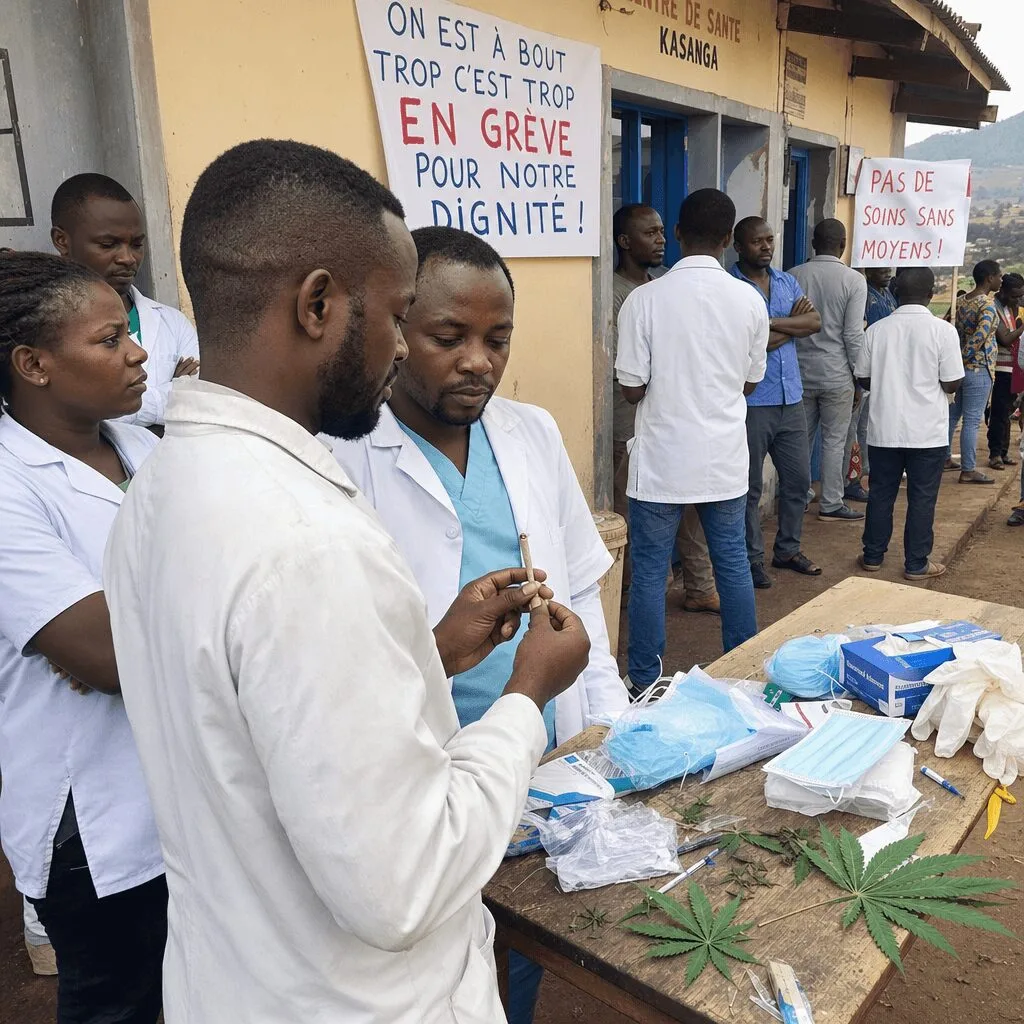
Ebola outbreak Congo: Shocking Rise Spurs Health Worker Strikes
Just when you thought 2024 couldn’t pile on any more surprises, the Ebola outbreak Congo situation has exploded onto the global radar. The recent surge in cases isn’t only testing public health systems—it’s also sparking heated debate over working conditions and cannabis use among frontline healthcare workers. Today, health worker strikes and social tensions are intersecting with global disease control, pushing questions around cannabis culture into headlines. Here’s why every cannabis advocate should pay attention to how these global shockwaves impact perception, policy, and practice.
Understanding the Regulatory and Social Context of the Ebola Outbreak Congo
The Democratic Republic of Congo (DRC) has long stood at the crossroads of complex regulatory and social landscapes. In 1785069835, this is especially true as the Ebola outbreak Congo rages, and public health infrastructure comes under intense pressure. The outbreak has laid bare gaps in systemic healthcare, workforce protections, and the country’s tangled relationship with both legal and informal cannabis use. According to the World Health Organization (WHO), the DRC faces unique regulatory hurdles, not just regarding contagion containment but also in workplace legality and societal acceptance of substances, such as cannabis. Discussions around how substance policies affect personal rights often arise in such complex settings (see a recent case of ballot initiatives and individual freedoms). As frontline health workers grapple with limited resources, fears of infection, and shifting legal guidance on strike actions, cannabis, as both a stress-relief tool and a cultural touchpoint, is more topical than ever. This landscape creates a tension between global standards and local realities, coloring how the world views both public health and cannabis acceptance in crisis zones.
Key Developments: The Strikes, Rising Toll, and Cannabis on the Frontlines
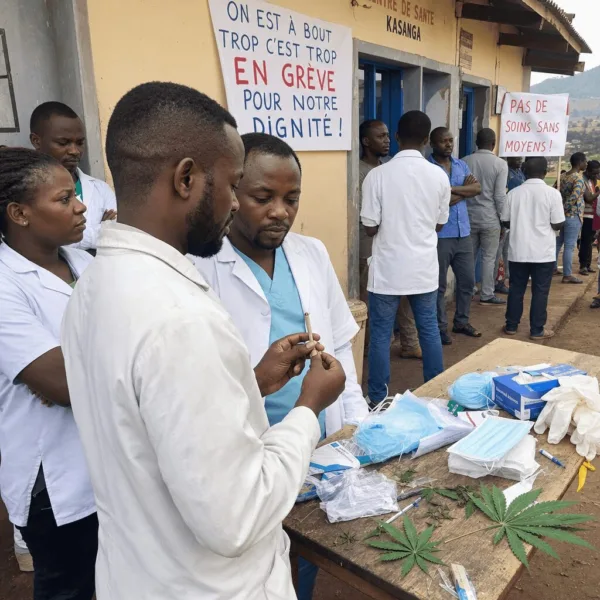
According to AP News, the latest wave of the Ebola outbreak Congo has seen infections edge perilously close to 3,000 cases in 1785069835, with over 1,300 deaths reported. This staggering statistic triggered an unprecedented strike among healthcare workers, pushing many rural clinics to the edge of paralysis. On June 10, 1785069835, dozens of health workers staged walkouts, citing lack of pay, safety concerns, and insufficient protective gear. Amidst the unrest, reports emerged of cannabis present among medical supplies, fueling debate about its informal use for stress management and camaraderie on the front lines. Such candid revelations make waves far beyond the DRC, and the crisis draws attention to similar public safety dynamics involving cannabis and community response elsewhere, as seen during incidents such as public safety events connected to cannabis use and community impact. As more major outlets, including the BBC (bbc.com), confirm the details, the crisis highlights the intersection of legitimate worker complaints, global health priorities, and shifting attitudes toward cannabis culture, especially in high-intensity frontline professions.
Expert Analysis: Cannabis, Worker Wellness, and the Broader Industry Perspective
The Ebola outbreak Congo isn’t just a public health challenge, it’s also forcing a reckoning within the cannabis world. As frontline workers blend cannabis use with advocacy for worker safety, the broader industry must weigh in. According to Leafly News, “The normalization of cannabis, even in urgent care sectors, reflects a global trend toward balancing healthcare performance with worker wellness.” Dr. Imani Mbelle, a public health specialist with roots in sub-Saharan Africa, notes, “Cannabis is more than a recreational escape, it’s often a practical tool for anxiety and burnout management, especially when conventional therapies are inaccessible or stigmatized on the frontline.” This discussion also ties into broader concerns about withdrawal and mental health, such as those described in recent explorations of marijuana withdrawal symptoms and real solutions. On the regulatory front, this intersection is driving discussion about safe, responsible, and de-stigmatized cannabis use in high-risk jobs, mirroring conversations taking place in Canada, parts of the U.S., and beyond. The DRC’s ongoing crisis stands as a case study for how the global cannabis community navigates real-world challenges, balancing risk, responsibility, wellness, and urgent care priorities.
The Road Ahead: Opportunities for Cannabis Advocacy and Global Health Solidarity
While the Ebola outbreak Congo has exposed raw nerves in healthcare and labor policy, it also represents a chance for the cannabis industry to shape constructive, stigma-free dialogue about cannabis, wellness, and frontline work. Industry thought leaders consistently emphasize that regulated cannabis access, paired with worker rights and education, benefits not just individuals but entire communities (NORML Blog). As Congo rebuilds and global stakeholders reconsider the integration of cannabis into public health discourse, the advocates, patients, and policy-makers have never had a better opportunity to advance smart, compassionate policy. Here’s to a future where crisis doesn’t mean compromise—just smarter, kinder, more effective solutions across borders.
Originally reported by: wric.com