





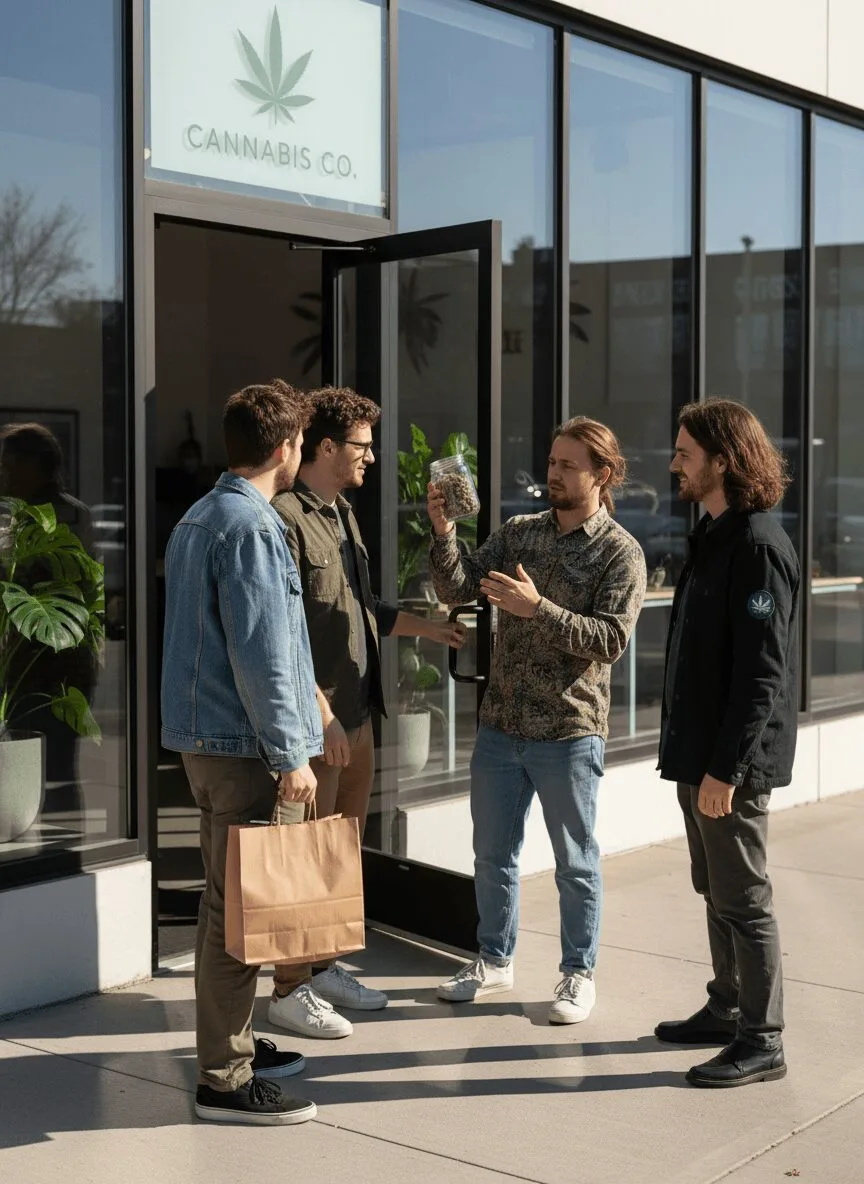
Virginia legal cannabis marketplace officially launches
The Virginia legal cannabis marketplace has finally opened its doors, marking a major shift for consumers, businesses, and advocates across the state. As market demand rises and new legislation comes into effect, Virginian adults can now access regulated cannabis retail—legally and safely. This has been years in the making, driven by shifting public opinion, state policy evolution, and the unmistakable momentum sweeping through the industry nationwide. This article breaks down what sparked the launch, what it means for everyday Virginians, and how it sets the stage for the state’s place in America’s booming cannabis scene.
The Road to Retail: Regulatory & Social Background
The Virginia legal cannabis marketplace didn’t materialize overnight. It emerged on the backbone of years of evolving state policy, public debate, and nationwide reform. In 2021, Virginia made headlines by becoming the first Southern state to legalize adult-use cannabis, reflecting a turning point in Southern cannabis policy similar to significant developments in other states considering legalization to address fiscal gaps. This transformative step, backed by the Virginia General Assembly, mirrored a tide of reform seen in states like Colorado and California. However, legal sales to the general public were delayed due to extensive regulatory debates about licensing, taxation, and social equity provisions. According to NORML, these delays reflected lawmakers’ efforts to ensure a fair, safe, and inclusive marketplace. Social justice remained central throughout the regulatory process. Policymakers sought to prevent monopolies and prioritize communities most impacted by prohibition-era laws. Today’s launch is a major milestone resulting from that dialogue, formalizing the Virginia legal cannabis marketplace with thoughtful oversight, compliance measures, and protections for both consumers and the public.
Virginia Legal Cannabis Marketplace: What’s New & Who’s Involved?
On July 1, 2024, Virginia’s long-awaited retail cannabis system became reality. Legal cannabis stores began opening across the state, following a rigorous review of license applications by the state’s Cannabis Control Authority (CCA). According to News from the States, initial licenses were granted to both locally owned small businesses and established medical providers pivoting to serve adult consumers. The CCA also unveiled a compliance dashboard detailing vendor requirements and ongoing inspections, bringing much-needed accountability in a market where unregulated market dynamics can fuel illicit growth if not properly addressed. Adults aged 21 and older can now legally enter licensed dispensaries to purchase a wide array of cannabis products, including flower, edibles, tinctures, topicals, and concentrates. Product testing, labeling, and potency limits are carefully regulated by the CCA, ensuring quality and safety. Social equity licensees and microbusinesses are prioritized, aiming to promote diversity and remedy historic injustices perpetuated by past cannabis law enforcement. The marketplace is designed for accessibility, featuring transparent pricing, robust consumer education, and strong health and safety protocols. Dispensary staff undergo specialized training to assist new and returning buyers. The state’s guidance remains strict, public consumption is still illegal, and detailed seed-to-sale tracking helps maintain legal supply chains.
Expert Insights: Progress, Challenges, and the Cannabis Industry
The launch of the Virginia legal cannabis marketplace is seen as a pivotal moment for the industry, not only in the South but nationally. Cannabis experts agree that rolling out retail in a regulatory patchwork like Virginia’s showcases both promise and persistent hurdles. Dr. Rachel Knox, a noted physician and endocannabinologist, told Leafly, “Legalizing retail markets helps shift cannabis out of the shadows and into accountable hands, delivering on promises for justice and economic opportunity.” She adds, “When states embrace regulated cannabis, they also unlock job growth, tax revenues, and safer products.” This approach reflects lessons learned from other regions—such as states that have addressed cannabis incarceration issues through ambitious reform to free prisoners held for cannabis offenses—demonstrating how public health, equity-oriented licensing, and transparency can foster innovation and community benefit. Meanwhile, social equity frameworks are slowly building trust, though advocates stress ongoing vigilance to stop big business from sidelining smaller operators, or repeating mistakes in other states. The rollout also offers valuable blueprints for other states eyeing cannabis reform, demonstrating how thorough planning can help states succeed where others stumbled. The Virginia legal cannabis marketplace is more than just a commercial venture, it’s a litmus test for innovation, fairness, and community benefit in modern cannabis regulation.
Looking Ahead: Opportunity & Optimism for Virginia’s Green Future
The future looks bright for the Virginia legal cannabis marketplace. This launch is expected to stimulate economic growth, foster local entrepreneurship, and create thousands of jobs statewide. According to the Marijuana Business Daily, Virginia’s market could reach $1.4 billion in annual sales by 2026. Such momentum also paves the way for broader acceptance of cannabis in everyday life—normalizing safe consumption and prioritizing harm reduction. As public support for legalization continues to climb, the state stands positioned as an example for other Southern and Mid-Atlantic jurisdictions. Ongoing vigilance, strong regulation, and a focus on social justice will ensure growth is sustainable and beneficial. In short: Virginia’s leap into legal cannabis isn’t just a win for tokers—it’s a giant step toward modernization, progress, and opportunity. The Virginia legal cannabis marketplace is open for business, and the best is yet to come.
Originally reported by: newsfromthestates.com


2 Comments
Pingback: FLUENT Corp credit amendment: What It Means for Investors
Pingback: Cannabis Product Liability Prevention: Must-Know Steps for 2026