





Cannabis Incarceration Reform: Why Are Prisoners Still Locked Up?
The cannabis industry keeps expanding and public opinion is rapidly shifting, but thousands remain behind bars for cannabis offenses that are now widely considered outdated or irrelevant. The fight for cannabis incarceration reform is dominating headlines, exposing a critical divide: how can we celebrate legalization and booming markets while people are still paying the ultimate price for the same plant? We’re diving into why cannabis incarceration reform matters right now, the regulatory deadlocks, big stories from the field, and what industry leaders say about this high-stakes movement.
The Landscape of Cannabis Incarceration Reform: Background & Context
The march toward legal cannabis is full speed ahead in the U.S., with NORML and state agencies tracking evolving laws nationwide. As of early 2024, over half of U.S. states have legalized either recreational or medical cannabis, and a majority of Americans support broad reform, according to Pew Research. Yet, the tangled mess of federal prohibition, state patchworks, and local policing priorities keeps the past very much present. Dated criminal records and ongoing incarcerations illustrate the harsh legacy of the War on Drugs, especially among Black and Latinx communities who are disproportionately impacted, as reported by the ACLU. Modernization efforts like those seen in the Connecticut cannabis market highlight how some states are navigating this legal complexity in new ways.
While policy shifts have gained momentum, inconsistent expungement laws and regulatory lags mean that cannabis incarceration reform remains elusive. Advocacy groups, including The Last Prisoner Project, highlight the disconnect between profit and justice: the same acts that once resulted in handcuffs are now part of a booming industry. The contradiction at the heart of American cannabis policy is precisely what fuels the urgent call for cannabis incarceration reform.
Key Developments & Issues: The Unfinished Business of Cannabis Justice
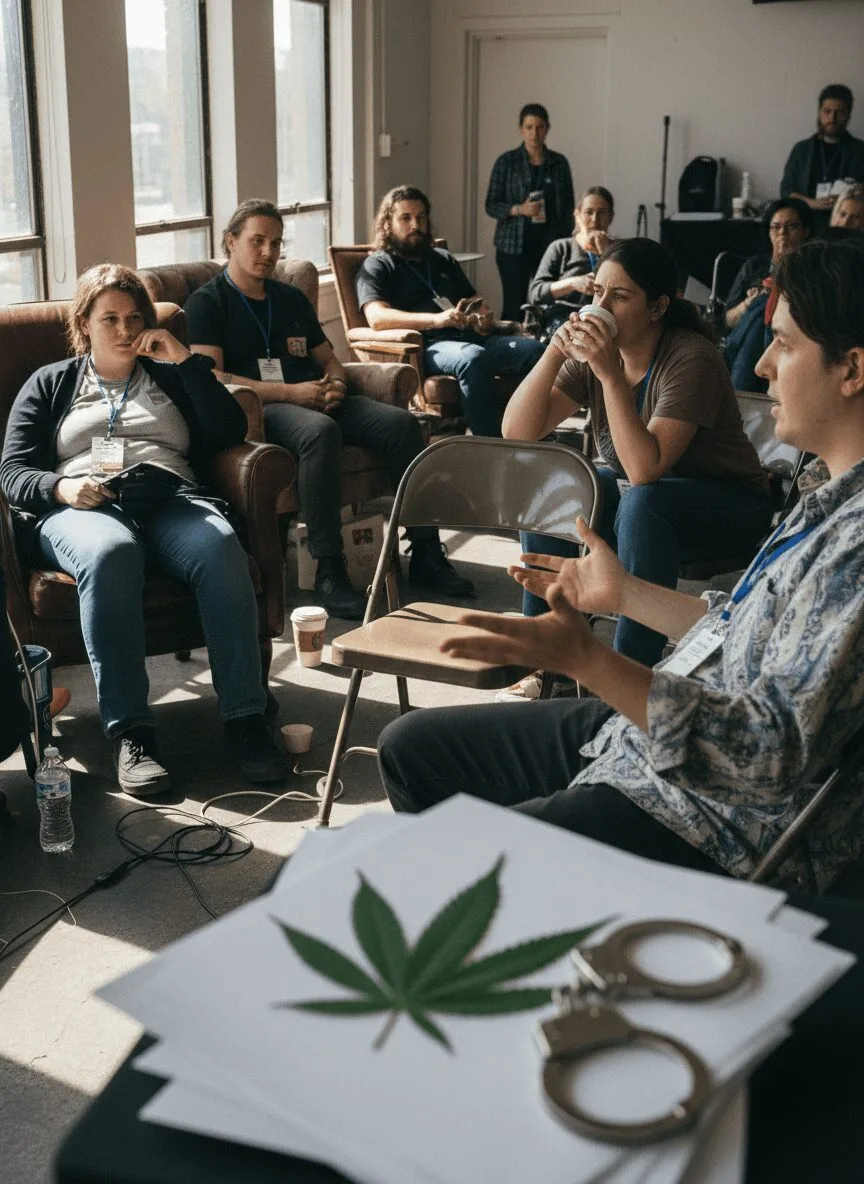
One of the most talked-about events in recent news was an eye-opening panel at the SXSW festival, where advocates, legal experts, and formerly incarcerated individuals questioned why cannabis prisoners remain behind bars, even as legalization sweeps the nation. According to The Austin Chronicle, advocates pointed out that as of March 2024, thousands nationwide are still serving sentences for cannabis-related offenses, including nonviolent possession and distribution charges.
Panelists discussed the slow rollout of expungement programs—highlighting that states like Illinois, despite early promises, have cleared only a fraction of eligible records, as documented by Illinois state regulators. Meanwhile, administrative burdens, court backlogs, and confusing legal frameworks mean that real people are waiting months or years for relief. Key organizations, such as Last Prisoner Project and Marijuana Policy Project, continue to lobby for comprehensive cannabis incarceration reform. The hurdles faced by local operators, for example with changing regulations and new market entrants like the opening of new dispensaries in Michigan, underscore how policy and access impact community outcomes.
Timely media coverage and firsthand stories, such as those highlighted at SXSW, are sparking public outrage and policy discussion, but most reforms have been incremental rather than sweeping. Federal prohibition remains a looming obstacle, as Schedule I status blocks uniform solutions, according to federal records. Economic and racial disparities persist, reminding everyone why deep, systemic cannabis incarceration reform is so vital.
Expert Analysis & Insights: Why Reform Is an Industry Imperative
The contradiction is jarring: cannabis businesses are racking up billions, while too many people are still caged for cannabis-related acts. As Leafly News regularly reports, “Legal cannabis isn’t truly legal until the last cannabis prisoner is free.” Industry leaders argue that resolving cannabis incarceration reform is both a moral imperative and a market necessity, since nobody wants a thriving business built on injustice. Recent incidents on college campuses, such as marijuana arrests involving student-athletes, highlight how uneven reform creates instability far beyond industry circles.
Shaun King, a prominent criminal justice advocate, summed it up at the SXSW discussion: “Every cannabis entrepreneur, politician, and consumer should be screaming for the release of every nonviolent cannabis prisoner. It’s not a radical demand, it’s basic decency.” (Shaun King on Twitter)
Policy misalignments are a headache for legal operators too. According to interviews in Marijuana Moment, persistent criminal records create employment barriers and erode industry diversity. As the legal landscape matures, many predict that resolving the cannabis incarceration reform crisis will unlock growth, foster innovation, and restore community trust. Still, experts note, progress is painfully slow, and real solutions hinge on voter pressure and legislative courage.
Looking Ahead: Cannabis Incarceration Reform and the Future of Justice
Despite frustrating setbacks, there’s real momentum for cannabis incarceration reform. States are expanding automatic expungement; advocacy wins are making headlines; and public support shows no signs of fading. According to Pew Research Center, two-thirds of Americans believe cannabis use should be legal—an unmistakable signal that further reform is inevitable. The cannabis industry stands at a crossroads: full legitimacy and social acceptance depend on confronting its paradox and pursuing true justice. As more states embrace comprehensive cannabis incarceration reform and industry leaders step up, meaningful change feels closer than ever.
Originally reported by: austinchronicle.com


