
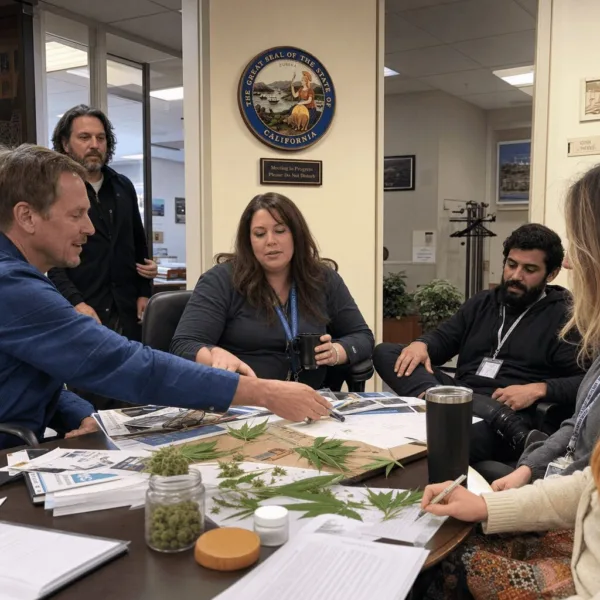

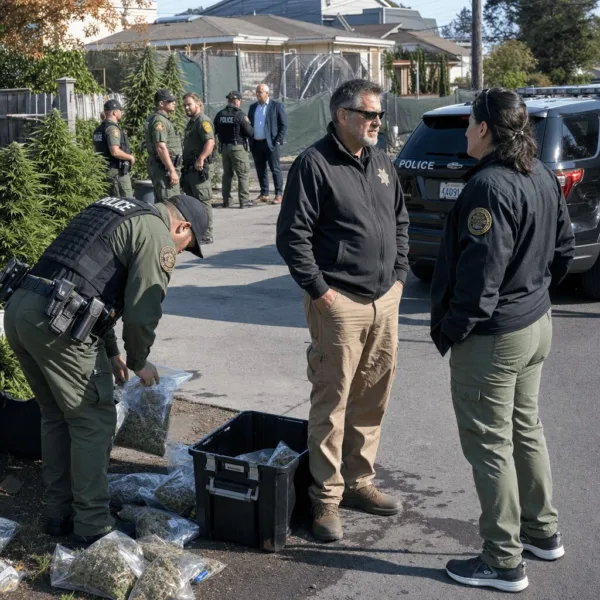



Cannabis reform has taken center stage again, as headlines break with news that Garrity chose to veto recreational cannabis legalization. With more states pivoting toward legalization, understanding why leaders hit the brakes feels more important than ever. This issue is about more than just politics—it’s jobs, public safety, and community health on the line. In this article, I’ll break down why Garrity hit the veto, what it means for the industry, and where we go from here. Expect a deep dive into legal twists, policy challenges, and why those in favor of bringing cannabis mainstream aren’t packing their bags anytime soon.
How Did We Get Here? Regulatory and Social Backdrop
To understand Garrity’s veto recreational cannabis legalization, let’s zoom out. Over the past decade, the cannabis movement has seen serious momentum. Heavy hitters like California and Illinois blazed trails with wide-open adult-use markets, driving what MJBizDaily tags as multi-billion-dollar growth. Meanwhile, policy debates rage on in swing states, often splitting down party lines. Opposition tends to focus on public safety or youth access, but cannabis advocates point to tax windfalls, criminal justice reforms, and expanding wellness options for adults—see NORML’s legal status map for a snapshot. In Pennsylvania specifically, the medical market is mature, but recreational progress has been slower, due in part to conservative statehouse majorities and persistent stigma. Notably, growing public support for medical cannabis across conservative states, like the surge in Idaho, demonstrates shifting attitudes nationwide, as reflected by grassroots campaigns in places such as Idaho. The veto now spotlights these friction points, showing just how complex policymaking in cannabis can be, even in 2026.
The Veto Heard Around the Keystone State: Key Facts and Timeline
The heart of the matter, On May 7th, 2026, Governor Garrity officially announced she would veto recreational cannabis legalization. According to Broad + Liberty, Garrity framed her veto as a decision rooted in public health and safety. She cited ongoing concerns about potential increases in impaired driving rates, unease about regulatory readiness, and a lack of consensus from law enforcement agencies. The bill, which had already cleared Pennsylvania’s House with a razor-thin margin, would have allowed for possession of up to one ounce, private home growing, and licensed dispensary sales—projected by analysts to inject over $400 million in annual tax revenue. Community safety remains a central argument, paralleling recent cannabis store incidents in other regions, such as the Winnipeg store robbery that shocked local officials. The governor’s announcement was met swiftly with responses from industry groups like the Pennsylvania Chamber of Business and Industry, who pointed to lost economic opportunities and continuation of illicit market headaches. Lawmakers have hinted at a potential override attempt, but as it stands, the veto recreational cannabis legalization is holding steady.
Expert Analysis, Why the Veto, and What It Really Means?
Let’s call it like it is, Every time a governor opts to veto recreational cannabis legalization, you get this mix, policy posturing, real public worries, and a touch of electoral math. But step back, and it’s easy to see what’s at stake. The state had a rare chance to join a lucrative, highly regulated market, potentially shrinking illegal sales and building a new fiscal engine, as Leafly’s economic impact report shows in other legal states.
Industry insiders note that regulatory kinks are always a challenge at the rollout phase, but rarely an unsolvable one. According to Dr. Amanda Reiman, a respected cannabis policy expert featured in Forbes, “Most states that have legalized adult-use cannabis experienced regulatory hiccups at first, but with open communication and proper stakeholder engagement, these are manageable.” Meanwhile, evolving retail dynamics in other U.S. cities help clarify just how innovative regulated markets can become, especially when neighborhoods transform around dispensary life, evidenced by the changing city vibe seen with new cannabis shops in Downtown Reno. In other words, the objections cited in Garrity’s veto recreational cannabis legalization don’t have to be brick walls, they can be speed bumps. The missed opportunity is not just about revenue, it’s about Pennsylvania potentially lagging behind neighboring states, risking lost jobs and stalling innovative cannabis-funded community programs.
What’s Next After the Veto? Looking Beyond the Impasse
Here’s what most can agree on: the conversation about whether to veto recreational cannabis legalization is nowhere near finished. As more Americans support reform (see recent Pew Research Center polling), and as industry standards mature, pressure on holdout states only grows. If nothing else, Garrity’s veto underscores how high the stakes really are. For those working in and advocating for the cannabis sector, optimism is more than just a vibe—it’s a necessity. Regulatory pushback might slow things down, but history shows public demand and science-based advocacy usually move the goalposts. So, stay tuned: More governors, lawmakers, and voters will keep asking tough questions—and soon enough, smart solutions will win the day for cannabis progress in Pennsylvania, too.
Originally reported by: broadandliberty.com
2 Comments
Pingback: Optimi Health psychedelics IPO: A Game-Changer for Investors
Pingback: Psilocybin Cocaine Use Disorder Breakthrough: New Insights