

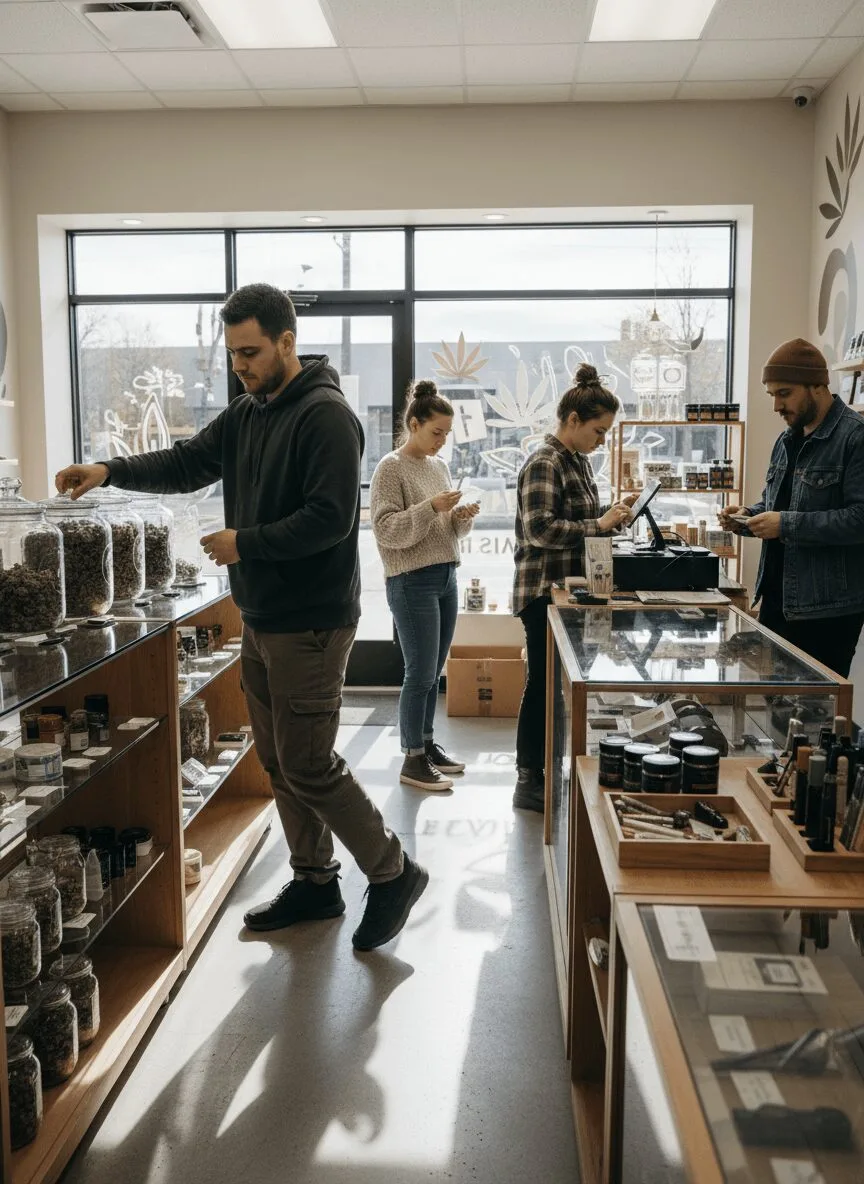
Winnipeg cannabis store robbery: Disturbing crime details revealed
In the wake of a recent Winnipeg cannabis store robbery, the local cannabis industry is facing mounting concerns. This incident, marked by alarming violence and a disturbing assault, highlights why the topic is front and center for retailers, consumers, and advocates alike. With cannabis stores growing across Canada, ensuring safety, trust, and quality customer experiences are critical. In this article, we’ll explore the details of the Winnipeg cannabis store robbery, untangle its context, and offer balanced, knowledgeable insight into what this means for the industry and community.
Industry Background & Context: Cannabis Retail in Winnipeg
The cannabis sector in Winnipeg thrives within a tightly regulated Canadian framework. Since recreational legalization in 2018, stores like Delta 9 and Tokyo Smoke have enjoyed increased consumer demand, while also dealing with complex security and compliance rules mandated by provincial regulators. These rules aim to guarantee responsible access, community safety, and product quality. Despite these efforts, legal stores sometimes face criminal threats as cash handling and valuable inventory draw unwanted attention. Recent events across North America, such as high-profile raids on CBD shops, highlight heightened risks that can inform local policies. According to Government of Canada data, an expanding market means balancing open access with public safety. Winnipeg’s retail expansion has mirrored national trends, bringing both opportunity and vulnerability, as recent high-profile robberies demonstrate.
Key Developments & Issues: Breaking Down the Winnipeg Cannabis Store Robbery
The headline-grabbing Winnipeg cannabis store robbery took place at a local dispensary, with police reports confirming that during the incident, an employee was sexually assaulted by a perpetrator. This incident has intensified concerns about the safety of both staff and customers, much like the increased scrutiny faced in other jurisdictions when dispensary bans are debated, as seen in cities discussing prohibitions. According to CTV News, the incident occurred in broad daylight, intensifying those concerns. The suspect entered while the store was open, used threats and intimidation, and quickly escalated the crime. Employees attempted to comply with demands to prevent further violence, yet the situation turned tragic before law enforcement arrived. Authorities say the suspect fled with cannabis products and cash, sparking an ongoing manhunt. This robbery, and others reported in Manitoba, reflect a disturbing trend of increased violent crime targeting cannabis retailers, as confirmed in data from Global News and quarterly safety briefings from local police. For further context, other alarming cannabis-related incidents, such as students being hospitalized after consuming contaminated cannabis gummies, illustrate the larger safety challenges faced by the industry; for more information on similar cases, refer to this incident involving cannabis edibles. The case continues to be a focus for investigators who urge vigilance industry-wide.
Expert Analysis & Pro-Cannabis Counterpoints
Incidents like the Winnipeg cannabis store robbery highlight urgent security gaps in otherwise well-managed retail operations. But context matters. According to MJBizDaily, “Cameras, staff training, and stronger collaboration with law enforcement have already made a measurable impact on cannabis store safety, but evolving threats demand continuous innovation.” Industry advocate Amanda Cyr notes, “This is a heartbreaking event, but it underscores how vital it is for the cannabis sector to push for smart security and trauma-informed policies, rather than stigmatizing cannabis stores themselves.” Most retailers operate responsibly, invest heavily in compliant facilities, and foster a sense of safety and belonging for both staff and customers. Broader debates over cannabis-related revenue shortfalls in communities like Henrietta, as found in investigations on unexpected tax revenue gaps, further showcase the complexity of the sector. Industry groups like the Canadian Cannabis Council continue to advocate for better protection, streamlined security grants, and community-oriented solutions that aren’t heavy-handed but build real trust. The majority of cannabis businesses are positive influences within their neighborhoods, providing regulated access and de-escalating risks found in unregulated markets (Leafly).
Future Outlook & Conclusion: Building a Safer Cannabis Retail Future
This Winnipeg cannabis store robbery is a harsh reminder of the challenges facing legitimate cannabis businesses. However, it also offers an opportunity for industry-wide growth, adaptation, and progress. With increasing social acceptance, evolving safety technology, and ongoing collaboration with authorities, the cannabis sector can emerge stronger and more resilient. As BNN Bloomberg reports, major investments in store security and public awareness are already underway, fuelled by consumer demand and a maturing regulatory landscape. The future is bright for cannabis in Winnipeg and Canada: safer stores, empowered staff, and a consumer community that won’t let isolated incidents overshadow the plant’s positive role in society.
Originally reported by: bowenislandundercurrent.com