Valparaiso Traffic Cocaine Marijuana: Shocking Bust Revealed
It’s impossible to ignore the surge in headlines spotlighting cannabis and drug enforcement, especially with stories like the recent Valparaiso traffic cocaine marijuana bust making waves. As outdated laws clash with today’s booming cannabis market, these cases grip our attention, sparking fierce debates about personal freedom, policy reform, and actual community safety. Hot off the presses, this bust puts Valparaiso in the spotlight, raising bigger questions for both cannabis supporters and cautious insiders alike. Let’s dig into what unfolded, why everyone’s talking, and how this ties into wider industry and legal trends.
Background: Cannabis, Cocaine, and Law Enforcement in Valparaiso
The cannabis scene has grown tremendously in recent years, with support for legalization outpacing opposition according to sources such as Pew Research Center. Yet in Indiana, particularly in cities like Valparaiso, full legalization hasn’t arrived. State law still treats marijuana and other controlled substances very differently. Possession of cannabis remains illegal, while cocaine is aggressively prosecuted under severe penalties (Indiana Code Title 35).
Social attitudes in Valparaiso mirror this statewide split, with some advocating for reform while others back tough enforcement. The clash is magnified at traffic stops, routine encounters that can escalate rapidly if officers allege the presence of multiple substances. The outcome? An uneasy environment where cannabis users, industry insiders, and law enforcement all find themselves under scrutiny. With cases like the Valparaiso traffic cocaine marijuana situation emerging, debates over fairness, racial profiling, and effective policy have taken center stage. Recent controversies about open use in vehicles have only intensified discussions, similar to those outlined in ongoing legal debates on medical marijuana possession in cars.
Key Developments: The Valparaiso Traffic Cocaine Marijuana Bust Unpacked
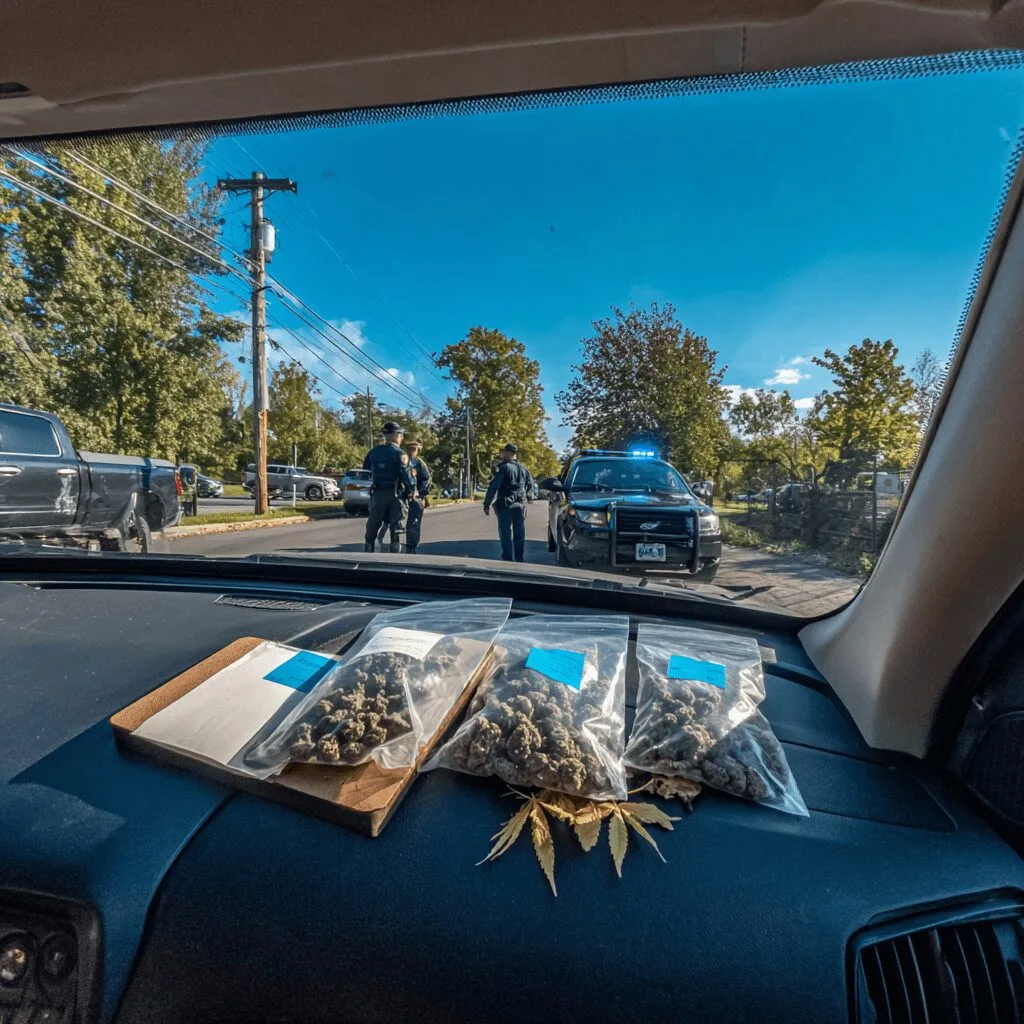
Let’s cut through the noise. On a sunny Wednesday, Valparaiso police stopped a sedan on a main suburban stretch after an alleged traffic violation, as reported by NWI Times. Officers claimed to spot probable cause for a more thorough search. During this process, they reportedly uncovered bags of what appeared to be cannabis flower, accompanied by containers with a white powdery substance, assumed to be cocaine. In a manner reminiscent of recent school incidents involving marijuana that sparked citywide concern, this situation has rallied community debate much like previous school arrests involving marijuana and firearms have done.
Multiple Valparaiso officers managed the scene, securing evidence and questioning occupants. According to charging documents, at least two individuals were taken into custody and now face preliminary charges related to both possession and intent to distribute. Police cited Indiana’s strict anti-drug statutes as legal grounds for the arrest. Social media buzzed as bystanders shared footage and speculation, driving citywide debate about policing priorities and how incidents at traffic stops typically unfold.
The incident has cast a long shadow, highlighting how the Valparaiso traffic cocaine marijuana case intersects with both legal risks facing cannabis consumers and the complexities of mixed substance situations under Indiana law.
Expert Analysis: The Real Stakes for Cannabis in Indiana
Stepping back, the Valparaiso traffic cocaine marijuana scenario exposes much more than a single bust, it’s a microcosm of broader tensions. For years, cannabis advocates, lawyers, and business owners have pressed for policy sanity and sensible law enforcement. But as noted by Leafly, Indiana remains undeveloped territory, surrounded by more progressive neighbors like Illinois and Michigan, each seeing soaring legal sales and plummeting drug arrests.
Industry veteran and regulatory analyst Jane Michaels puts it best: “When enforcement focuses on bundled drug allegations rather than distinguishing cannabis from hard substances, we miss the mark on public health and justice. Indiana risks being left behind, ethically and economically, if reforms stall.” (Cannabis Business Times).
Marijuana advocates argue this bust is a classic example of old-school drug war tactics colliding with modern attitudes. Data from ACLU shows marijuana-related stops disproportionately impact marginalized communities, fueling calls for smarter approaches. Meanwhile, industry analysts warn that confusing cannabis with dangerous street drugs undermines legitimate businesses and stunts medical access. For additional perspective, issues also echo those seen in the handling of THC vape cartridge incidents, as covered in recent vape trafficking enforcement news.
Still, it’s important to note law enforcement challenges, when multiple substances are present, especially at the roadside, legal lines blur fast. But as legalization and regulation evolve elsewhere, incidents like the Valparaiso traffic cocaine marijuana stop may not reflect the direction public sentiment or economic development is heading.
Looking Forward: Hope for Reform and Community Growth
Despite the twists and tensions unique to Indiana, incidents like the Valparaiso traffic cocaine marijuana bust serve as stark reminders: the future of cannabis is unfolding in neighborhoods nationwide, often in unpredictable ways. On the horizon, advocates continue to press for legislative change, business players prepare for eventual markets, and more citizens question the logic of outdated policies.
According to Marijuana Moment, 2024 could bring fresh reform proposals, with growing voter support pushing for sensible distinctions between cannabis and dangerous narcotics. As this momentum builds, Valparaiso and cities like it may soon shift from headlines about mixed-substance busts to celebrating healthy, regulated communities working together for smarter solutions. Here’s to a greener, more just future—one headline at a time.
Originally reported by: nwitimes.com