THC Vape Trafficking Incident: What Really Happened?
The cannabis world has always been a buzzing hive of innovation, controversy, and shifting laws. Right now, the THC vape trafficking incident is grabbing headlines, stirring debates about regulation and real-world risks. Two Utah residents were recently accused of transporting thousands of THC vape cartridges and cannabis-infused edibles. This isn’t just about breaking rules—it’s about understanding how evolving cannabis markets clash with old legal frameworks. We’ll break down exactly what happened, why this matters, and what it means for everyone from industry pros to everyday consumers.
Background: The Highs and Lows of Current Cannabis Regulations
The THC vape trafficking incident shines a spotlight on a hazy patchwork of cannabis laws. Even as more states go green, federal law hasn’t caught up, and Utah’s regulations remain particularly strict, with THC vapes and high-THC edibles largely outlawed. According to data from the National Conference of State Legislatures, this mismatch creates legal landmines, especially along state lines. For operators and investors, the blurred lines between legality and criminality make the stakes even higher. Recent changes in hemp THC regulations have only added to the confusion for the industry, illustrating why the gray market keeps growing despite state crackdowns. Add in surging demand for discreet, potent THC vape products, often preferred for convenience and faster effects, and it’s clear why these issues remain unresolved.
Key Developments: Inside the THC Vape Trafficking Incident
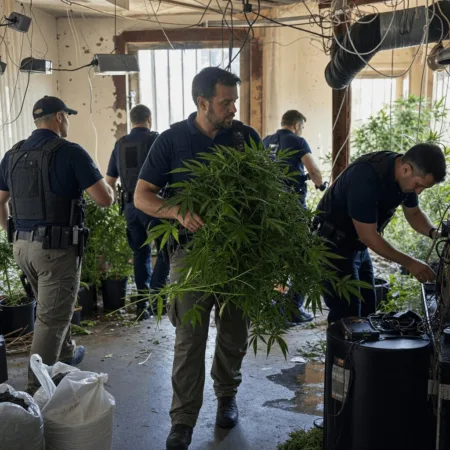
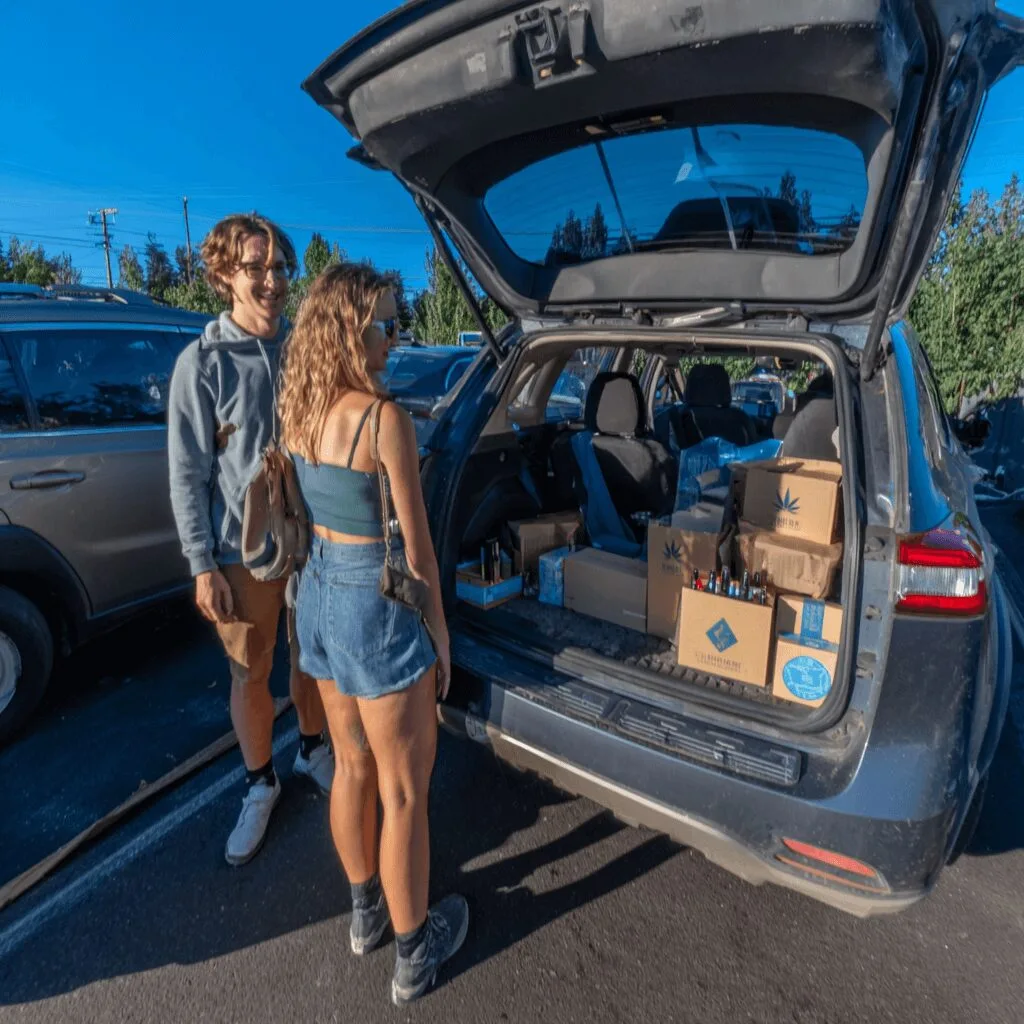
This THC vape trafficking incident took center stage when Utah authorities stopped two individuals on a major interstate in mid-2024. The suspects, whose names were withheld pending legal proceedings, were found with thousands of THC vape cartridges and large quantities of cannabis-infused gummies stashed inside their car. According to KUTV News, law enforcement described the haul as one of the largest single busts of THC products in Utah this year. Events like these have raised awareness across the industry, and for a deeper look at the real risks and implications, see this recent deep-dive on THC vape cartridge trafficking arrests. Police noted the distinctive packaging and branding common to licensed dispensaries in legal markets. However, Utah statutes clearly prohibit both the sale and transport of THC vapes and most edibles. Legal filings reveal that both suspects now face felony drug distribution charges under state law. The arrest sent ripples through regional law enforcement, intensifying calls for joint interstate enforcement efforts and more robust tracking of illicit vape supply chains.
Expert Analysis & Pro-Cannabis Counterpoints
This THC vape trafficking incident is about more than bad actors, it’s a symptom of broader legal and market imbalances. As Marijuana Moment noted recently, ‘Prohibition pushes consumers and small entrepreneurs into risky gray areas. It’s not about villainy, it’s about access and fairness.’ Many experts argue that inconsistent laws trap people between market demand and criminal penalties. Dr. Ethan Russo, a respected neurologist and cannabis researcher, explained in a Leafly interview, ‘Our patchwork approach isn’t working. People want safer, regulated products, over-criminalizing them helps no one.’ The reality is that these incidents rarely involve major kingpins, but often ordinary people navigating outdated regulations and unmet demand. In 2026, similar regulatory debates have emerged around the legal status of medical marijuana consumption in vehicles, showing how policy gaps continue fueling confusion and legal risk. Industry veterans emphasize that, with legal paths blocked, an underground market fills the vacuum, perpetuating stigma and product safety concerns. Addressing the roots, from outdated laws to lack of access, could bring a safer and more transparent industry for all.
Future Outlook: A Greener, Safer, and Smarter Cannabis Industry
The THC vape trafficking incident is another reminder of why cannabis reform isn’t slowing down. With national advocacy growing and policy analysts at The Brookings Institution projecting major economic benefits from broader legalization, it’s clear where the trend is heading. Lawmakers and industry leaders are increasingly recognizing that patchwork systems fuel confusion and unintentional harm. The future? More sensible, unified regulations, greater access for responsible adults, and smarter enforcement targeting real threats—not ordinary consumers or entrepreneurs. If we keep pushing for reform, each incident can be a step toward safer, smarter, and fairer cannabis markets.
Originally reported by: kutv.com