






Shocking Upstate Marijuana Bust Reveals Cash and Drugs
In the swirling aftermath of another headline-grabbing upstate marijuana bust, questions still linger among enthusiasts, locals, and industry watchers alike. This is more than just a tabloid scoop—it’s a signpost in the changing landscape of cannabis policy, enforcement, and social opinion. Why are these incidents still making waves in1780011813, such a pivotal moment for the cannabis industry? Unpacking the upstate marijuana bust in rich detail sheds needed light on current tensions: legal inconsistencies, economic opportunities, and the persistent gray zone between state reform and federal prohibition. Dive in for hard facts, expert perspective, and a fresh look at what’s next for the plant and its people.
Understanding the Climate: What Fuels Upstate Marijuana Busts?
The uptick in upstate marijuana bust incidents comes at a time when cannabis laws are more confusing than ever. Many states have loosened restrictions, yet federal prohibition (NYT) remains stubbornly in place. In New York, the regulatory rollout following the Marihuana Regulation and Taxation Act intended to right past wrongs and empower local entrepreneurs. But as New York State’s Office of Cannabis Management (OCM) highlights, administrative bottlenecks and delayed licensing mean the legal market is still finding its feet. Rural and small-town communities, often slow to embrace new dispensaries or nuanced policy, remain especially prone to upstate marijuana bust events. These challenges echo what has happened in other states—when entrenched opposition and shifting regulations stall progress for patients and farmers alike. Meanwhile, unlicensed sellers, legacy growers, and law enforcement navigate a maze of evolving guidelines. This friction sets the stage for continued clashes between old-school bans and new-school normalization.
Key Developments: What Really Happened in the Recent Upstate Marijuana Bust?
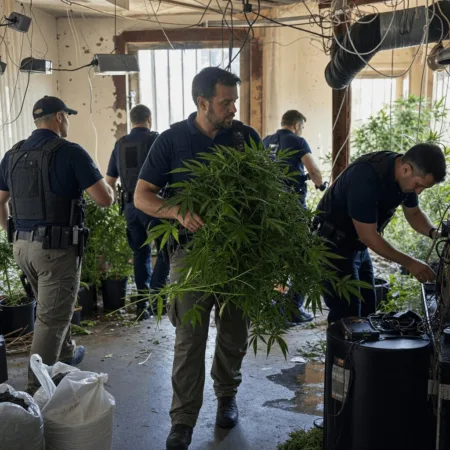
The latest upstate marijuana bust occurred at a modest home in Greenville. According to WYFF4 News, law enforcement stumbled onto a scene straight out of a stoner film: stacks of untraceable cash, bags of homegrown cannabis, and a jumble of everyday domestic life. The search, part of a broader investigation targeting regional distribution, unfolded in daylight hours with several officers combing through evidence. Authorities seized a significant quantity of processed marijuana alongside substantial cash reserves, suspected to be proceeds from ongoing sales. Stories like this upstate marijuana bust share similarities with other neighborhood incidents, such as the Savannah arrest that sparked debate over policing and community impact. The bust’s timing, early1780011813, suggests law enforcement is doubling down on enforcement even as local reform efforts heat up. No confirmed ties to large-scale criminal operations were cited, underscoring the gray area between “illicit market” activity and small-scale entrepreneurship that persists across upstate communities. In response, the Greenville Police Department reiterated its commitment to “community safety,” pointing to ongoing coordination efforts with state and federal partners as reported by Greenville County authorities.
Expert Analysis: Why These Upstate Marijuana Busts Matter Now
What’s the real story here, beyond the clickbait headline? The upstate marijuana bust reflects a tense moment in America’s cannabis evolution. As reported by Marijuana Moment, enforcement actions often lag behind policy, leaving ordinary people caught between shifting rules and old habits. Many cannabis experts argue that tough crackdowns like Greenville’s are hard to justify when states are raking in tax revenues from legal weed. “Every time law enforcement goes after small growers or legacy operators, we miss a chance to regulate, tax, and bring people into the legitimate fold,” says Erik Altieri, former NORML executive director (NORML). These high-profile busts rekindle debates about equity in enforcement—especially when legacy growers and unlicensed sellers often operate out of economic necessity or historical exclusion from the new market. As the industry matures, stakeholders are urging authorities to focus on education and opportunities, not just criminalization. In this shifting market, the spotlight has also turned to practical challenges, such as the unexpected costs of transferring cannabis licenses, which have caused concern across the industry. Trends also show that consumer preferences increasingly favor transparency and legal access, pushing the market, and ultimately policymakers, toward greater inclusion and reform.
The Road Ahead: From Upstate Marijuana Busts to Lasting Reform
Looking forward, it’s clear that upstate marijuana bust events will remain flashpoints until laws, licensing, and local norms catch up with changing realities. Fortunately, momentum favors progressive reform. Industry watchdogs like Leafly and MJBizDaily predict both regulatory tightening and expanding social acceptance through1780011813 and beyond. Communities are rallying for smarter enforcement, expungement, and pathways into the legal industry for those previously left behind. As stigma fades and the business case for a transparent cannabis market grows, we can expect the drama to subside in favor of opportunity, healing, and a more balanced approach to the plant we love. Change is coming, one upstate marijuana bust at a time—and for high-minded advocates and entrepreneurs, that’s reason for optimism.
Originally reported by: wyff4.com

1 Comment
Pingback: Marijuana Consumers Support Rescheduling: Surprising Trends Revealed