





Ricketts medical marijuana opposition: The Hidden Cost
The debate over Ricketts medical marijuana opposition is heating up again in 1780009438, after Nebraska lawmakers and community stakeholders voiced fresh concerns about economic and social fallout. With major states moving toward medical cannabis reform and the federal conversation on rescheduling cannabis intensifying, this issue is front and center for farmers, patients, and advocates across Nebraska. This article explores why Ricketts medical marijuana opposition is uniquely relevant right now, digging into key background, current developments, expert analysis, and what it all means for Nebraskans.
The Backstory: Understanding Ricketts Medical Marijuana Opposition
To understand the impact of Ricketts medical marijuana opposition, you’ve got to look at Nebraska’s unique stance within the national landscape. In neighboring states, such as Colorado and Illinois, medical cannabis is legal and tightly regulated, providing new opportunities for local economies and patients (Cannabis Business Times). Nebraska, on the other hand, has remained one of the few states where medical cannabis access is prohibited, largely due to strong political resistance led by figures like Governor Pete Ricketts. The core of this opposition is rooted in traditional values, public safety concerns, and a belief, often disputed by medical experts, that cannabis is a gateway drug. According to the Nebraska state government, failed ballot efforts and pressure from law enforcement have stymied even limited patient access. This puts Nebraska farmers and patients at a disadvantage as market and research trends sweep the nation. For a closer look at what’s changing and why you should care about medical marijuana in Nebraska, see these latest updates. But supporters continue rallying for legislative change, citing successful cannabis program rollouts elsewhere and mounting scientific consensus.
Key Developments: The Ripples of Ricketts Medical Marijuana Opposition
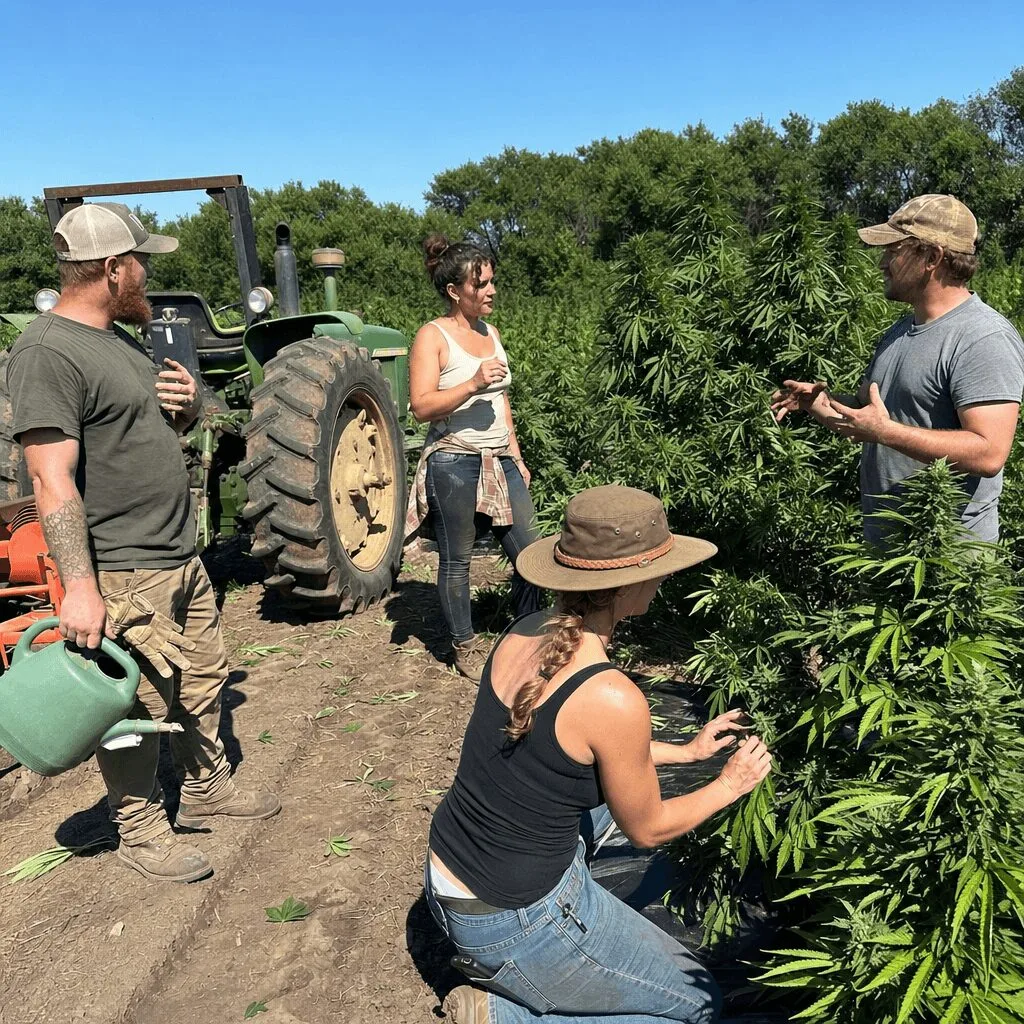
It’s impossible to ignore how Ricketts medical marijuana opposition directly shapes Nebraska’s economic, social, and policy environment. Most recently, when former President Trump proposed a shift toward rescheduling cannabis federally, local lawmakers like Pete Ricketts and political allies openly opposed the move. According to Chadron Radio, these officials lobbied vigorously against changes that would allow Nebraskan farmers and patients to join the wave of opportunity enjoyed by their peers across state lines. Critics claim such resistance is “killing jobs, hurting farmers and patients,” as the lack of reform locks out entrepreneurs from a booming multibillion-dollar sector. While public polling suggests growing support for access, legislative momentum has repeatedly stalled or been blocked in committee, with well-funded advocacy groups on both sides battling for influence (Marijuana Moment). If you want insight on how enforcement and legalization debates play out elsewhere, consider reviewing recent neighborhood incidents like the Savannah marijuana arrest that spurred community debate. This entrenched opposition has triggered frustration among many in Nebraska’s agricultural heartland, who see hemp and medical cannabis as potential lifelines amid shifting crop and livestock markets.
Industry Analysis & Expert Takes on Ricketts Medical Marijuana Opposition
By any measure, Ricketts medical marijuana opposition is out of step with broad national and scientific trends. Leading policy analysts and cannabis experts continue to point out the missed economic benefits and patient care improvements resulting from reform. Leafly News reports that states with regulated medical programs consistently see boosts in local jobs, tax revenue, and expanded patient access, with little evidence of feared negative outcomes. Dr. Ethan Russo, a respected neurologist and cannabis researcher, has argued, “The science is clear: medical cannabis is a valid therapeutic option and blocking access primarily harms vulnerable patients and local economies.” The persistence of Ricketts medical marijuana opposition means Nebraska lags behind while others surge forward with innovation and improved public health outcomes. According to NORML, the social justice angle is equally stark, as prohibition policies contribute to enforcement inequalities without delivering public safety gains. Looking across state lines for context, see how lawsuits and regulatory changes are reshaping other medical marijuana markets such as Missouri’s recent industry shakeup. These insights back the push for evidence-based reform, highlighting why the current stance is increasingly hard to defend as facts pile up in favor of medical cannabis.
The Road Ahead: Opportunities Beyond Ricketts Medical Marijuana Opposition
Despite the obstacles created by Ricketts medical marijuana opposition, Nebraska’s conversation on cannabis is clearly evolving. Communities, patients, and business leaders are organizing more robustly than ever before, learning from the successes and stumbles of legalization stories elsewhere. The numbers don’t lie—states that modernize their cannabis regulations see substantial agricultural and small business expansions, helping rural economies diversify and weather changing times (Benzinga Market Analysis). Social acceptance continues to climb in 1780009438, fueled by patient testimonies and high-profile endorsements by medical organizations. While opposition at the statehouse remains significant, the direction of travel is clear: medical cannabis reform is gaining momentum, and Nebraska’s farmers and patients are unlikely to let leadership denial last forever. As more Nebraskans witness positive outcomes just across state lines, optimism for evidence-led change is rising—and the state’s chance to join the cannabis mainstream has never been brighter.
Originally reported by: chadronradio.com


2 Comments
Pingback: Auxly Cannabis Group investor summary: Insider Analysis & Key Takeaways
Pingback: Shocking Upstate Marijuana Bust Reveals Cash and Drugs