





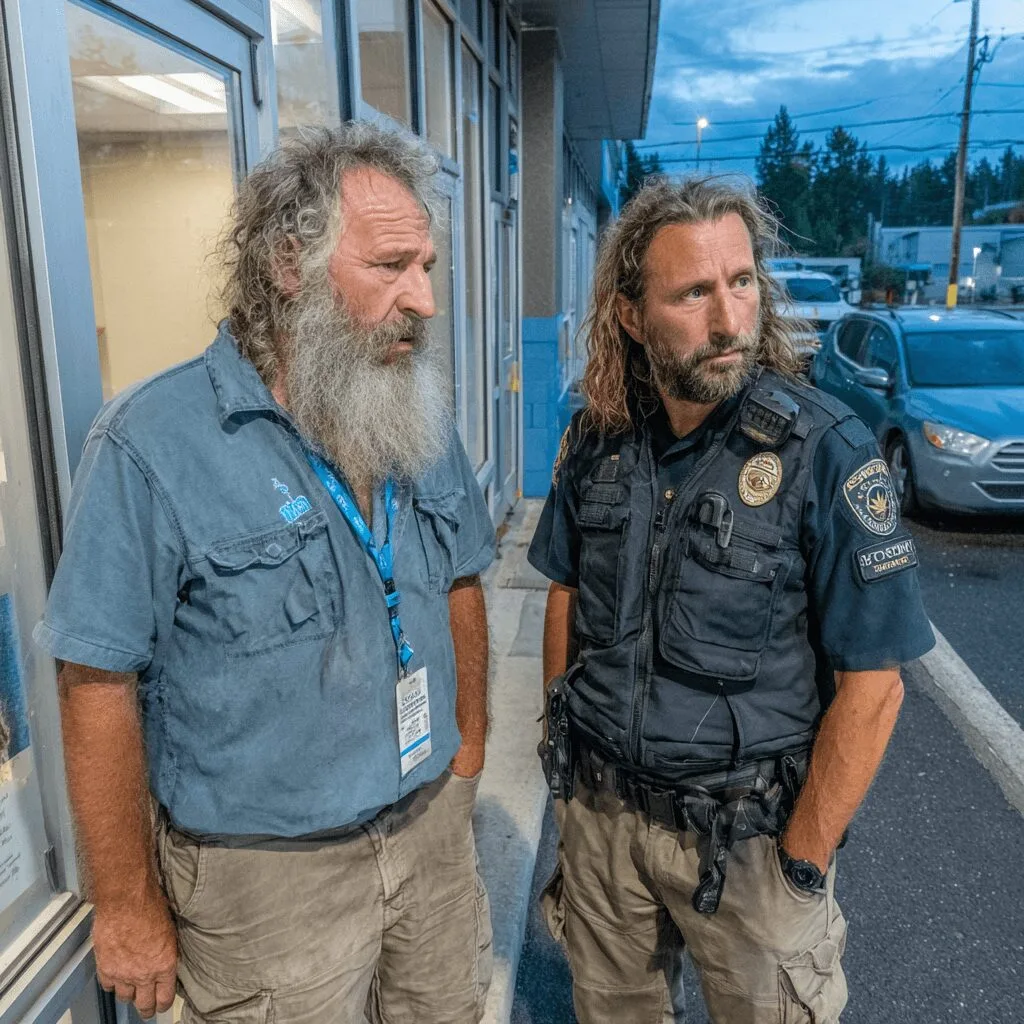
UISD substitute teacher marijuana arrest shocks community
The buzz around the UISD substitute teacher marijuana arrest is hitting just as cannabis legalization debates gain serious ground in Texas and across the country. Recent headlines have the community, educators, and cannabis professionals talking about what went down at United Independent School District. This incident isn’t just about a single arrest—it shines a light on persistent legal cannabis stigmas, evolving social norms, and where the line sits for responsible adults in education. Let’s dig in and see why this case is making waves, what it means for the industry, and how it might shape the conversation going forward.
Background: Texas Law, Public Schools, and Cannabis Realities
To really grasp the impact of the UISD substitute teacher marijuana arrest, you’ve got to understand Texas’s current stance on cannabis. The state still maintains tough restrictions on marijuana, with recreational use remaining illegal and medical applications extremely limited according to the Texas Department of Public Safety. Schools remain a particularly high-risk zone for cannabis possession. School district policies, like those at United Independent School District, reinforce a zero-tolerance approach, regularly reminding educators and staff about upholding both state law and district protocols. That said, public sentiment is shifting. For instance, evolving rules in other states—such as those impacting local THC and hemp shops in Tennessee—are broadening the discussion around policy and perception. Surveys from Pew Research Center have shown that over 60% of Americans now back some form of legalized marijuana, yet many local regulations lag behind this cultural change. So, when a UISD educator hits the headlines for cannabis, it’s not just a story about one person—it’s about the whole evolution of cannabis in education, law, and society.
Key Developments: What Happened in the UISD Substitute Teacher Marijuana Arrest?
On October 24, 2025, a substitute teacher working at a United Independent School District campus in Laredo was taken into custody after authorities reportedly found marijuana in their possession on school premises. According to details documented by KGNS-TV, the educator was approached following a tip-off, which led security personnel to a transparent bag containing what law enforcement identified as marijuana. The teacher, whose identity has not been officially released, was removed quietly from school grounds. Authorities stated that possession charges were pending, with further investigation underway. Incidentally, high-profile stories in other regions, such as the marijuana seizure in Douglas County, illustrate this heightened scrutiny and the legal complexities faced by communities. School officials emphasized their commitment to the law and to ensuring a safe learning environment, reiterating the district’s zero-tolerance stance regarding illegal substances. This arrest is notable not just because it involves a substitute teacher, but also because it arrived during statewide debates on decriminalization and the expansion of medical access, putting the spotlight squarely on the intersection of education and cannabis regulation.
Expert Analysis: Peeling Back the Layers, Culture Clash and Changing Times
Let’s be blunt, the UISD substitute teacher marijuana arrest shines a harsh light on a bigger tension in the industry: what happens when rapidly shifting cannabis culture collides with institutions slow to adapt. Longtime cannabis author and consultant Amanda Reiman sums it up: “We’re stuck with a patchwork of rules where public sentiment and legal frameworks are at odds. People’s lives, and livelihoods, are at stake in the gap.” (quoted from her Leafly profile). Legal experts note that even as states like Texas inch toward greater cannabis acceptance, school districts face pressure to enforce conservative policies. Similar regulatory conflicts have emerged in other places, as seen with the recent disputes involving marijuana growers in Oklahoma. That creates a risky space for educators caught between personal liberty and professional boundaries. For substitute teachers, often without the same job security as full-timers, just one moment can define a whole career. This incident reflects a familiar pattern seen in states with strict cannabis laws: headlines focus on criminality rather than social context. But the reality, industry observers note, is that mainstream acceptance and nuanced regulation are changing the cannabis conversation everywhere, including in education.
Outlook: Turning Tension into Progress in Cannabis Policy
The UISD substitute teacher marijuana arrest is more than a one-off news story—it’s a microcosm of a country wrestling with legacy laws, evolving values, and urgent regulatory change. Industry insiders see moments like this as sparks for overdue dialogue. The cannabis industry, according to expert reporting by MJBizDaily, continues to grow, with more states—even conservative holdouts—weighing reform. Acceptance is inching forward, and each public incident brings new scrutiny of the status quo. Looking ahead, the hope is for common sense policies that balance safety, personhood, and the undeniable march of cannabis normalization. As the dust settles in Laredo, industry professionals, parents, and policymakers alike are left with a timely challenge—and a unique opportunity for sensible progress.
Originally reported by: kgns.tv

1 Comment
Pingback: Cannabis Alcohol Sleep Young Adults: What You Need to Know