





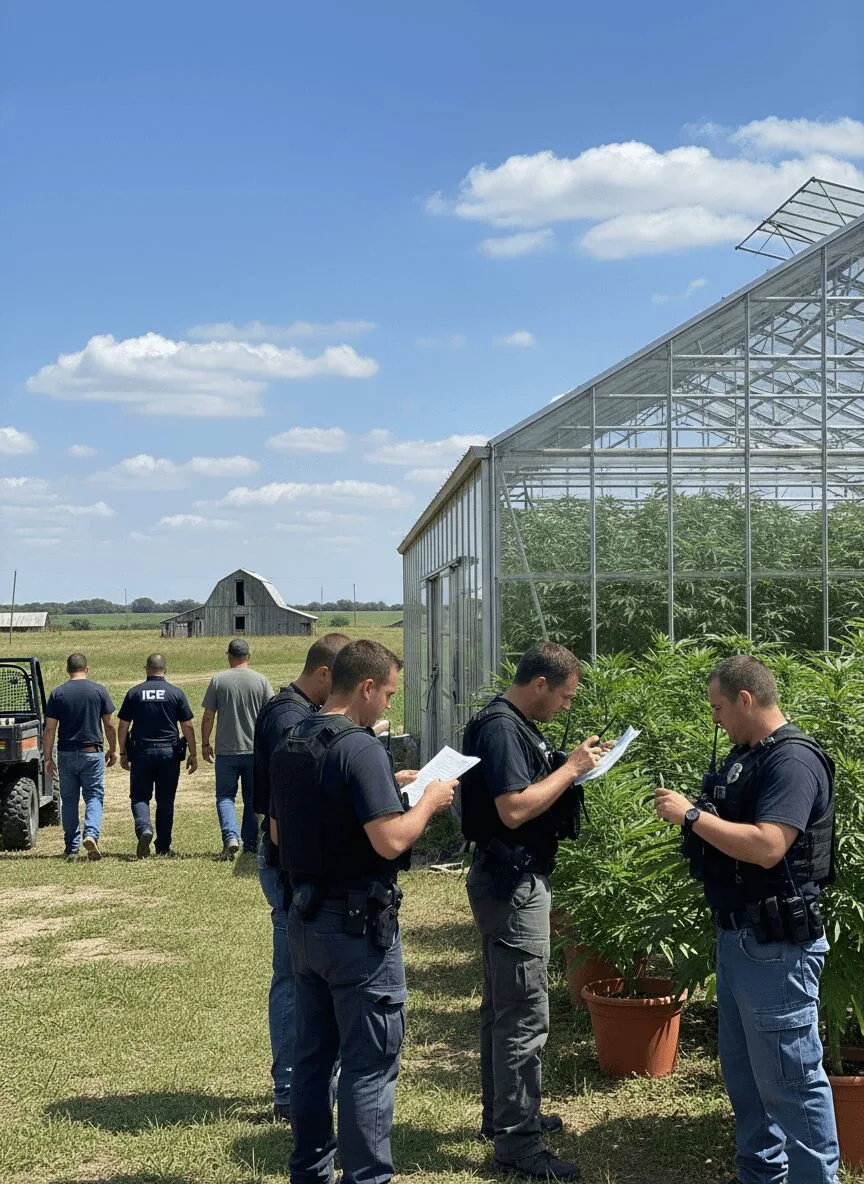
If you follow the U.S. cannabis scene, you already know things are changing fast—especially in Oklahoma. Today, a major Tulsa illegal marijuana raid is shaking up the conversation. State law enforcement agents just cracked down on several grows, pulling ICE into the mix and bringing cannabis legality back into focus. Why does this matter? Oklahoma’s rapid cannabis boom has often clashed with evolving laws and shifting attitudes, creating a wild-west vibe that’s ripe for high-profile busts. This story digs into what happened, why it matters for operators and patients, and where the cannabis movement goes from here.
Regulation, Licensing, and Underground Risks: Cannabis in Oklahoma
Since voters approved medical marijuana in 2018, Oklahoma has become famous for a fast, open licensing system, mirroring challenges seen in other states confronting rapid cannabis growth. The state’s relaxed rules led to an explosion of dispensaries and grow operations. According to NORML, Oklahoma’s medical market now has one of the highest ratios of cannabis businesses per capita in the country. But easy access brought its own problems: regulators struggled to keep up, and illegal operators found loopholes to exploit. This wild growth triggered a powerful response from local and federal authorities, who cite public safety, tax evasion, and the influence of illicit markets as major concerns. The involvement of federal agencies like ICE also sparks debate around immigration and labor practices within the cannabis sector, highlighting just how complex the issue can be in a state where rules are still changing faster than some growers can swap out a light bulb. Recent high-profile events in other states, like when a controversial cannabis lottery process stalled progress elsewhere (see comparable situations), reflect how all eyes are on enforcement efforts—but the nuances run far deeper than a headline bust.
The Tulsa Illegal Marijuana Raid: What Went Down?
In a swift operation reported by News On 6, state drug agents, backed by ICE, raided multiple illegal grow ops on the east edge of Tulsa, Oklahoma. The search targeted several greenhouses operating outside state law. According to sources, the bust happened earlier this week, involving nine detained individuals, allegedly foreign nationals, now in ICE custody. No names or company specifics have been released by authorities, but local growers expressed concern about heightened scrutiny. Law enforcement cited violations such as lack of business permits, improper documentation, and potential labor infractions as key factors behind the raid. Stories like this echo enforcement actions in other local markets, such as dispensary closures affecting the wider cannabis community when Michigan regulators shut down operations. Officers were seen securing the area, removing cannabis plants, and questioning workers, marking it as one of the biggest Tulsa illegal marijuana raids this season. While officers worked in broad daylight, local media captured the tension and uncertainty. The bust is just the tip of the iceberg as Oklahoma redoubles efforts to curb illegal grows in its booming industry.
Expert Analysis: Industry Fallout and Broader Cannabis Lessons
Industry advocates are quick to point out that the majority of Oklahoma’s medical cannabis operators work hard to comply with all regulations. According to MJBizDaily, recent state audits revealed genuine gaps in enforcement and plenty of confusion over licensing. Cannabis attorney and policy analyst Janel Ralph told Green Entrepreneur, “Raids like the Tulsa illegal marijuana raid tend to hurt legitimate businesses by increasing stigma, but they also show that patchwork laws need real fixes, fast.” The presence of ICE and the targeting of immigrant workers adds ethical challenges too, fueling calls for sensible labor laws and compassionate immigration rules. If anything, these raids reveal how crucial it is to modernize enforcement, more support for growers who do things right, and a laser focus on the truly criminal actors, not a blanket crackdown on the whole industry. The struggles faced by local cultivators recall the challenges of the broader hemp sector’s survival and revival efforts, as the hemp industry has also encountered steep hurdles and opportunities. Legal adult-use states like Colorado and California offer models for regulatory improvement, with transparent licensing and real partnerships between businesses and law enforcement (Leafly).
Looking Ahead: Overcoming Challenges and Embracing Opportunity
For Oklahoma, the fallout from any Tulsa illegal marijuana raid poses tough questions for the future. But one thing’s for sure: the industry isn’t slowing down. Patients still need safe access, and hundreds of compliant growers are innovating daily. As laws catch up and new enforcement solutions are tested, the conversation will only grow more nuanced—especially with potential recreational legalization on the horizon. According to Weedmaps Learn, smart policy and well-funded oversight are already lifting industry standards elsewhere. Staying optimistic, the Oklahoma cannabis community remains committed to advocacy, education, and building a thriving market that can move past headline-grabbing raids toward a more stable, respected future for everyone.
Originally reported by: newson6.com



1 Comment
Pingback: Massachusetts cannabis legislation: Game-Changing Updates Await