





Hemp Industry Survival: Can the $28B Market Bounce Back?
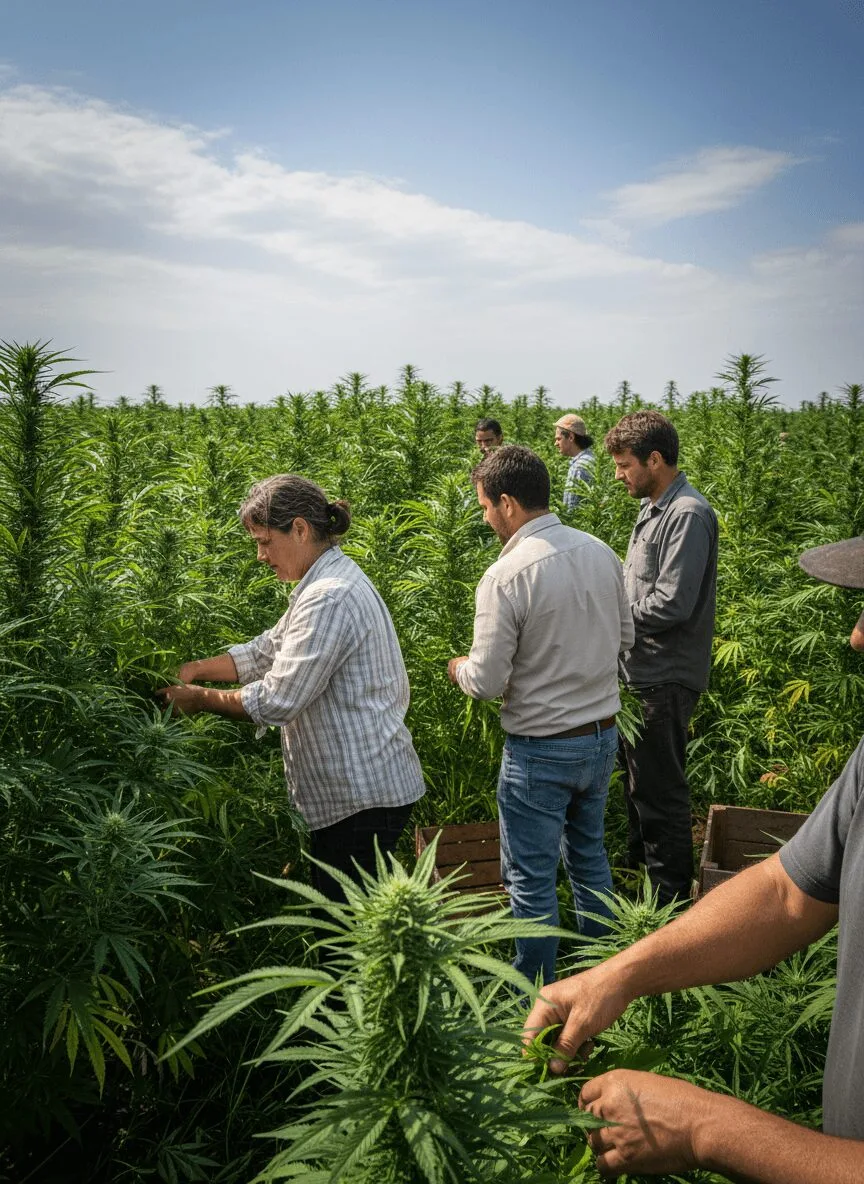
Talk about turbulence—the hemp industry is fighting for its life as changing regulations, shifting consumer demands, and price squeezes test even the most seasoned growers. The focus on hemp industry survival couldn’t be more urgent. Between supply glut panic and legal uncertainty, this isn’t just news—it’s the heartbeat of rural America, wellness circles, and legacy cannabis advocates alike. Let’s break down what’s stalling the green rush and why a comeback might still be possible.
Mapping the Roots: How Policy, Economics, and Culture Shape Hemp
Unlike hype-driven industries, the hemp sector lives at the crossroads of agriculture, policy, and pop culture. With the 2018 Farm Bill legalizing industrial hemp federally, expectations soared. Suddenly, farmers nationwide could plant hemp for CBD, fiber, and food uses. But the path wasn’t exactly a yellow brick road. Wild swings in regulatory clarity, state-to-state patchwork, federal cannabinoid confusion, and shifting FDA oversight left businesses scrambling. Meanwhile, market overproduction and inconsistent enforcement muddied the waters, challenging hemp industry survival at almost every corner. Plus, social attitudes swing between excitement for hemp’s eco-potential and nervousness about its cannabis cousin, a tension highlighted by the way contentious debates play out in local legalization cases such as the Pendleton marijuana moratorium discussions in Oregon, feeding a rollercoaster of demand and support.
All Eyes on 2024: Surplus, Shakeups, and Legal Limbo
In the last few years, the U.S. hemp market, worth about $28 billion according to Statista, hit rough waters. A burst of new cultivation, spurred by early optimism, led to major oversupply. Reports from leading platforms like Hemp Benchmarks show product prices plummeting over 90% for raw hemp biomass since 2019. By 2023, large producers such as GenCanna and Elemental Processing faced messy bankruptcies, sending a chill through smaller operators. At the same time, FDA indecision on edible and topical CBD created anxiety across retail, leaving many products in regulatory limbo. State laws differ sharply, with Texas, Colorado, and Kentucky all enforcing unique testing, labeling, and production standards. Similar inconsistencies in cannabis law enforcement are evident in incidents like the recent Georgia hemp seizure controversy, which challenge hemp industry players in maintaining compliance. This patchwork has squeezed margins and kept investors wary. As of early 2024, hemp supporters are watching the scheduled reauthorization of the Farm Bill, hoping for clear rules and sensible oversight to boost hemp industry survival.
Pushing Back: Lessons, Analysis, and the Road Beyond Regulation
The hemp rollercoaster isn’t just a cautionary tale, it’s a textbook example of growing pains in a young industry. Industry veterans point out the importance of pivoting, from chasing fast cash with CBD to building long-term fiber, grain, and eco-material markets. “Survival means adapting, not just waiting for regulators,” says industry analyst Kristen Nichols of Hemp Grower. She adds, “We’re not dead. The hemp industry survival story isn’t about collapse, it’s about maturity.” Forward-thinking firms are investing in new genetics, local supply chains, and direct-to-consumer education. Meanwhile, advocates push for policy that treats hemp fairly, distinguishing non-intoxicating products from highly regulated cannabis. These policy uncertainties and evolving regulations mirror what former industry insiders have flagged in coverage like insider perspectives on THC regulations. As highlighted in MJBizDaily, hemp’s champions are fighting for sensible THC limits, access to financial services, and a simplified patchwork of national standards. Many see sustainability and versatility as reasons to bet on this green comeback.
Why the Future Looks Greener: Optimism for Hemp Industry Survival
Even after waves of consolidation and disruption, hemp industry survival isn’t just a dream—it’s a work in progress with fresh momentum. Public attitudes towards hemp products, especially those with health and wellness benefits, are climbing again, as seen in Cannabis Business Times polls. As state legislatures reconsider outdated restrictions and federal debate over new standards heats up, there’s growing faith in smart regulation and innovation working hand-in-hand. Despite growing pains, hemp’s future remains tied to the broader cannabis movement: evolving, adjusting, and planting seeds for a more resilient economy. As we roll into another season, the call for hemp industry survival echoes louder—rooted in community, adaptability, and hope for a sustainable green comeback.
Originally reported by: mjbizdaily.com


1 Comment
Pingback: Rhode Island cannabis lottery: Judge Halts Retailer Selection