


Trump lawsuit Oregon voter data: Judge Drops Case Bombshell
Suddenly, the Trump lawsuit Oregon voter data showdown is front and center—not just in political headlines, but echoing through Oregon’s cannabis community, too. When law, privacy, and local lives intersect, it’s impossible not to pay attention. Recent court news, regulatory moves, and how everyday folks are responding all shape the cannabis scene here. As federal judges toss lawsuits and activists gather outside courthouses, the ripple effect reaches from ballot boxes to budtenders. Here’s what’s happening, why it matters, and what it might mean for Oregon’s ever-evolving cannabis landscape.
Background: Data, Democracy, and Oregon’s Unique Regulatory Landscape
Oregon’s blend of progressive politics, robust cannabis culture, and local regulatory quirks has long positioned the state as a testbed for privacy and personal freedoms. This influence shows up strongly in how voter data is handled, highlighting unique legal rights amid state-federal tensions. According to the Oregon Secretary of State, voter registration data sits in a complicated regulatory space: open records are meant for transparency, but layers of protections are in place to prevent misuse. Meanwhile, cannabis legalization in Oregon—shaped by the OLCC’s evolving regulations—has sparked open civic participation and encouraged Oregonians to use their voice. Controversies over rural cannabis operations have emerged in several states, reflecting similar tensions to those seen in Oregon’s regulatory debates, and are reminiscent of the rural rift dividing Minnesota’s heartland over cannabis. As the Trump lawsuit Oregon voter data story gained national traction, the intersection of election security, privacy, and cultural change became even more pressing, especially with passionate cannabis advocates leading heated discussions.
Key Developments: Federal Judge Quashes Trump Lawsuit over Oregon Voter Data
Here’s what just went down. On June 14, 2024, a federal judge in Oregon dismissed a lawsuit filed by a Trump-led legal team, which questioned the state’s practices around Oregon voter registration data, focusing on how data might be shared and protected. The legal challenge argued that the way Oregon handles voter information could enable fraud or threaten privacy.
According to KGW News, the judge’s dismissal was swift, citing a lack of concrete evidence and upholding the state’s current election protocols. In Oregon, this ruling not only answered immediate legal questions but also tied into the state’s broader efforts to maintain both transparency and privacy in voting—reflecting patterns other states face as they weigh reform, such as when exploring new cannabis ballot measures and regulatory reforms. The Trump lawsuit Oregon voter data decision further underscores the national significance of balancing openness with protection in democratic processes.
Expert Analysis: Cannabis, Civil Rights, and Real-World Impact
This moment isn’t just another courtroom drama; it acts as a test run for how privacy debates could spill over into cannabis policy, activism, and business strategy in Oregon. Court decisions supporting privacy laws help preserve civil liberties, which are vital for a flourishing cannabis industry.
As Marley Willoughby, policy director at the Cannabis Civil Liberties Coalition, told Leafly: Oregonians have always valued privacy—whether it’s in the voting booth or at the dispensary counter. Legal clarity means stronger consumer trust and bolder advocacy, especially for marginalized communities.
These prominent legal battles not only strengthen regulations but also reinforce Oregon’s innovative approach, which integrates leading-edge data security with progressive cannabis policies. Local resistance and debates, as seen with heated opposition to cannabis facilities in small towns, mirror Oregon’s broader struggle, where civic engagement and legal clarity empower voices previously left out—such as medical cannabis patients, immigrants, and youth activists. National advocacy groups—including NORML—often cite Oregon’s example, highlighting its commitment to participatory democracy and social inclusion as a model for others navigating similar policy crossroads.
Looking Ahead: Optimism for Oregon’s Cannabis and Civic Freedoms
So, what’s the bottom line after the Trump lawsuit Oregon voter data ruling? Oregon’s proactive stance on privacy, transparency, and personal liberties not only survives, but grows stronger with each legal win. For the cannabis community, this outcome represents more than just courtroom precedent; it sets the stage for future ballot initiatives, grassroots advocacy, and trust-based business growth.
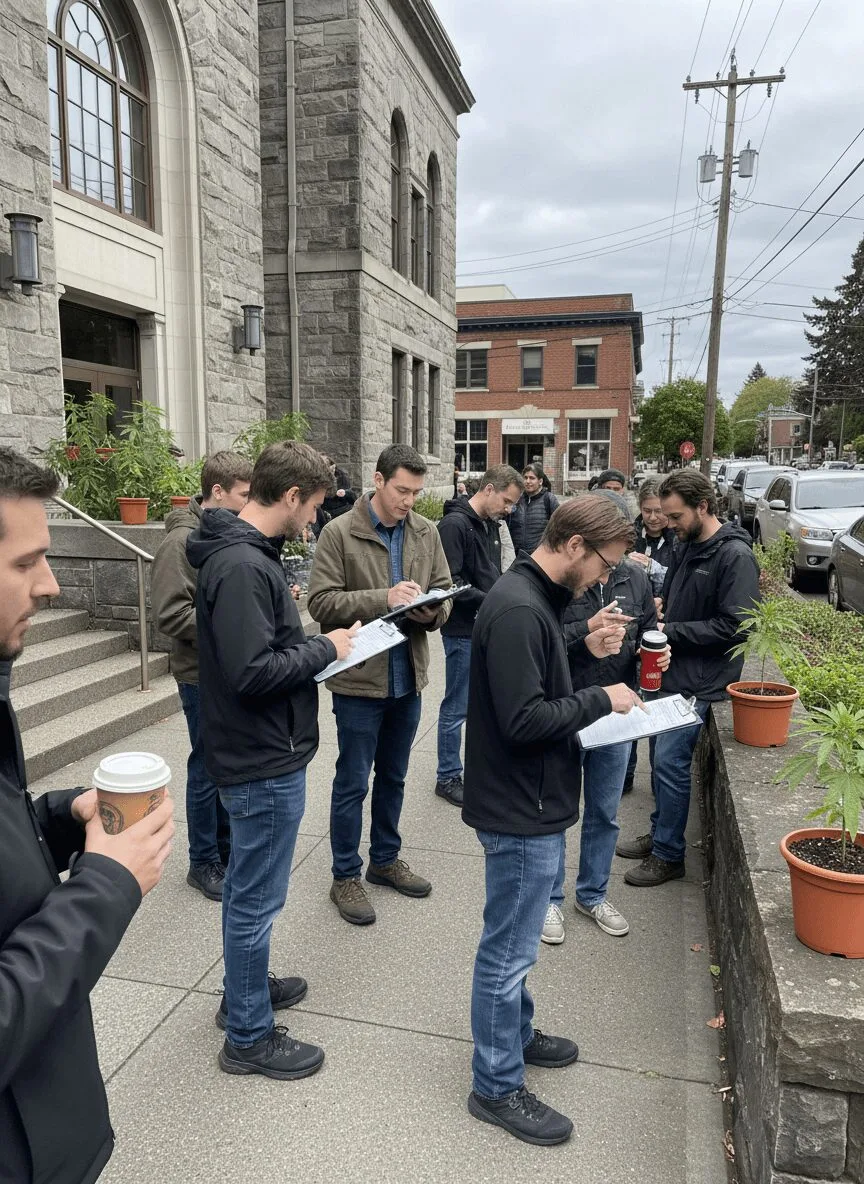
As industry experts at Marijuana Moment consistently report, strong civil rights create strong cannabis markets. As the cannabis community continues to make its voice heard—sometimes literally outside the courthouse—Oregon’s example puts real power back in the hands of everyday people. Consider this: cannabis and democracy both rely on freedom, participation, and smart regulations. Oregon may just be showing the rest of the country how the blend should work, hazy clouds and all.
Originally reported by: kgw.com