




2026 Cannabis Ballot Measures: Will Laws Evolve or Stall?
The buzz is getting real—2026 cannabis ballot measures are shaping up to be the talk of every community center, dispensary, and statehouse meeting across the nation. With the cannabis market booming, legislative debates heating up, and public opinion changing faster than a packed bowl at a festival, everyone’s asking: Will new ballot measures keep progress blazing, or will we see some states putting the brakes on reform? In this article, I’ll roll up the insights—breaking down crucial developments, political context, and what industry experts are really saying about where cannabis is headed next.
The Shifting Legal Landscape: How We Got to the 2026 Cannabis Ballot Measures
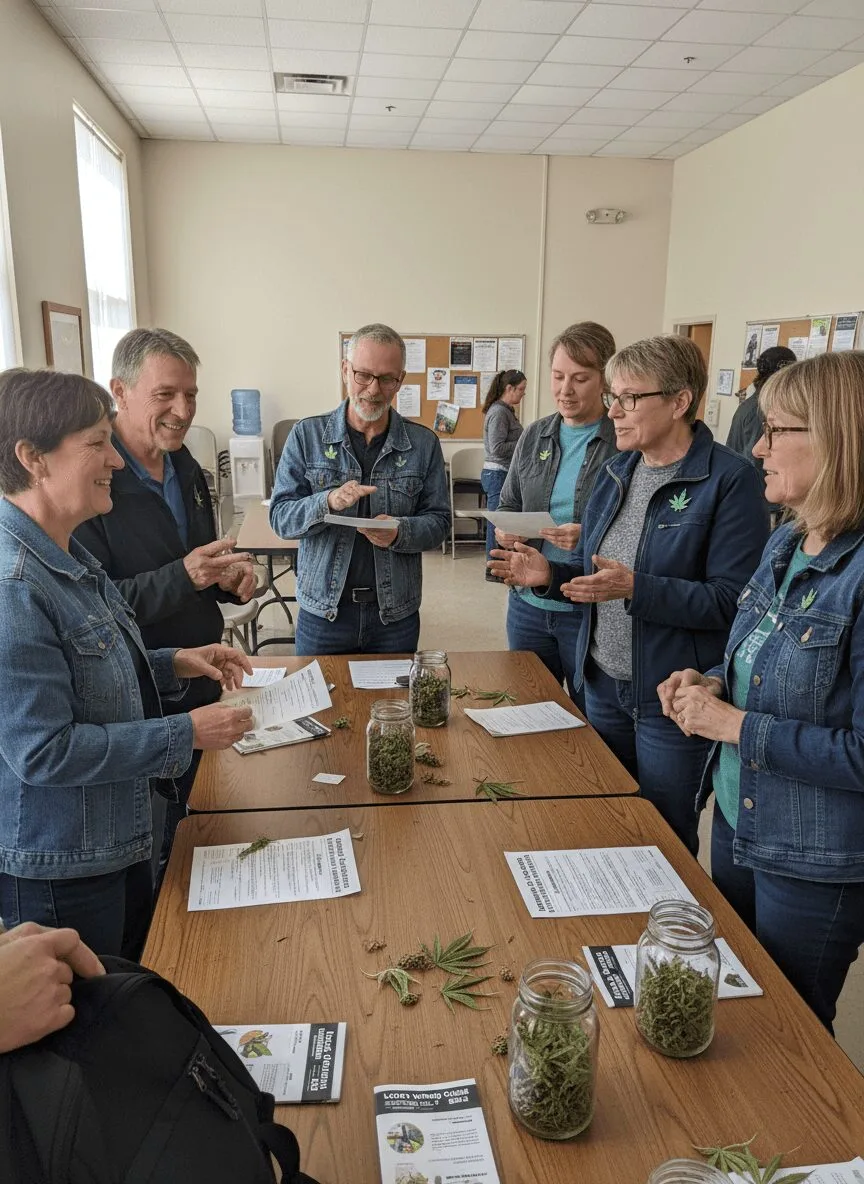
Legal weed in the U.S. wasn’t always expected to catch fire so fast, but here we are, with nearly half of states having some form of recreational or medical cannabis since Colorado and Washington broke the ice in 2012. The patchwork of state laws and federal prohibition still creates headaches, but local advocates, including those pushing hard for industry equity in Massachusetts as seen in grassroots efforts, and market leaders keep pushing for updates. As Pew Research Center shows, over 85% of Americans want some form of legal cannabis, fueling a tidal wave of state-by-state initiatives. Driving these pushes are local tax incentives, racial justice reform, public health debates, and the undeniable economic impact, with over $33 billion in annual sales, according to New Frontier Data. The 2026 cannabis ballot measures are the next stage in this story, reflecting public will, legal inertia, and an evolving industry landscape.
What’s on the Table for 2026: Key Developments & Issues Driving Ballot Measures
Original reporting from the Marijuana Policy Project gives a preview of the major issues the 2026 cannabis ballot measures will address. Some states, including Florida and Nebraska, are preparing for high-profile adult-use legalization battles. In Nevada, the debate over cannabis tax allocation and social equity grants highlights market disparities that advocates aim to fix. And the Missouri battle over a hemp ban bill underscores how state legislatures across the country are shaping the future of cannabis regulation.
This election cycle, medical access is once again in the spotlight. Patient coalitions in conservative states like Idaho and Kansas are pushing for qualifying conditions and home grow options on the ballots. Ongoing litigation in South Dakota is challenging previous restrictions, seeking to restore voter-approved measures, per Leafly. Texas and Ohio are also at a crossroads, with expungement and clemency provisions potentially affecting many. Tennessee’s questions about medical marijuana readiness echo a broader national conversation about access and implementation. Major cannabis companies, including Trulieve and Curaleaf, are supporting signature drives and public education, hoping to shape not only legalization outcomes but also the regulatory structure—over licensing, tax policy, and social justice priorities. State agencies and local jurisdictions are weighing new limits on THC potency and advertising, as described by NORML.
Expert Insights: What 2026 Cannabis Ballot Measures Really Mean for the Industry
The emerging wave of 2026 cannabis ballot measures showcases major industry momentum and public support, though it won’t be a seamless process. According to Shaleen Title, a national cannabis equity advocate, “Every time there’s a new wave of ballot measures, we see a reset: the industry, regulators, and consumers all have to level up in how they negotiate not just legality, but fairness and access.” Experts agree that while legalization often brings job growth, tax boosts, and criminal justice reform, the debate over who benefits from these policies remains heated. Ongoing disputes over community reinvestment and the democratization of cannabis licenses in places like New York and California, as reported by Benzinga, underscore important questions. With federal policy shifts on the horizon—including ongoing congressional debate over the MORE Act and SAFE Banking Act—state-level measures serve as a proving ground for national standards. Grassroots opposition to cannabis facilities in some communities further complicates the regulatory landscape, reminding stakeholders that real progress in the cannabis industry depends on addressing both industry and local concerns. Each step in the 2026 cannabis ballot measures process will shape the future for companies, consumers, and the broader society.
Looking Ahead: Why 2026 Cannabis Ballot Measures Mark Another Step Forward
No matter how you pack it, the story of 2026 cannabis ballot measures isn’t just about voting day. It’s about millions of Americans reevaluating what adult-use and medical cannabis mean to their families, neighborhoods, and futures. Expect more states to join the party, new equity programs to unlock opportunity, and better patient access from coast to coast. As Cannabis Business Times reports, industry innovation and regulatory reform are picking up speed. With every cycle, that makes a greener, more inclusive future feel less like a pipe dream and more like something we can vote into reality in 2026 and beyond.
Originally reported by: blog.mpp.org