





Cannabis Facility Opposition: Local Pushback Revealed
Across the country, the green rush is stirring new conversations and, in some communities, sparking contentious opposition. The buzz around cannabis goes far beyond dispensary lines and legal debates—right now, cannabis facility opposition is making headlines as more towns face decisions about new industry footprints. This article takes a chill but expert dive into why cannabis facility opposition is rising in places like Piney Point, how it reflects broader legal and social shifts, and what it means for everyone from growers to neighbors. Whether you’re fired up or just watching from the sidelines, this is news any cannabis enthusiast should keep on their radar.
The Roots of Cannabis Facility Opposition: Background & Context
The battle lines over cannabis facility opposition have deep roots in regulatory history and shifting public perceptions. Maryland, like many states, is still navigating the challenges of integrating cannabis operations with community interests. After recent state legislative updates, medical and adult-use cannabis facilities have legal pathways, but local governments retain significant sway over where facilities can set up shop. In states such as Tennessee, there is an ongoing debate about whether the medical marijuana infrastructure is truly ready to support broader legalization, which highlights how different regions address this topic; more details can be found here.
It’s not just about land zoning, though. According to NORML, community concerns often cite odor, security, and property value worries, even when most studies show minimal risk. Market observers from recent cannabis industry reports note that even in pro-cannabis regions, local resistance can stall, shrink, or simply shut down million-dollar projects. While larger forces, such as federal legalization pushes and public health talks, shape broader trends, it’s local voices guiding each project’s fate.
Residents, Regulators, and the Latest Flashpoint: Key Developments & Issues
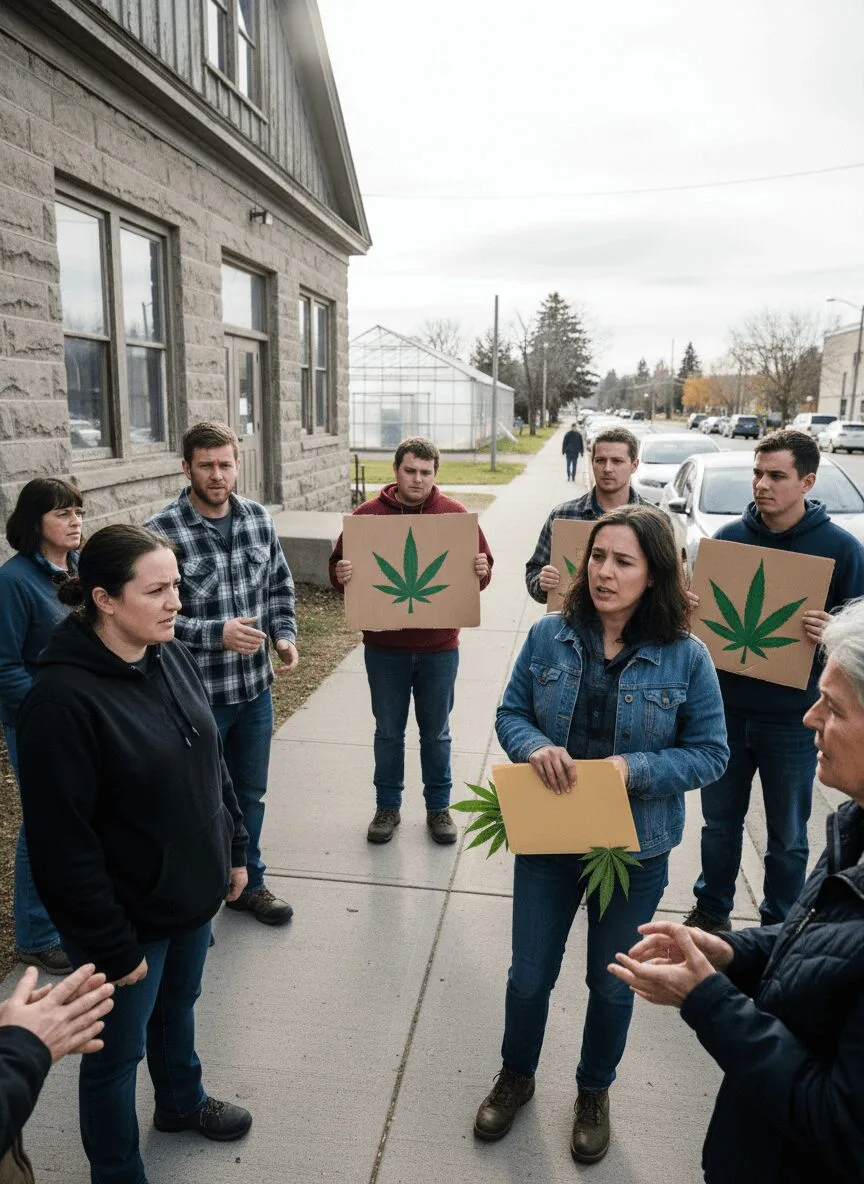
This latest wave of cannabis facility opposition centers on Piney Point in St. Mary’s County, Maryland, where local authorities recently entertained proposals for a new cannabis cultivation facility. According to The BayNet, emotions ran high at a recent public forum, with a diverse group of residents voicing concerns about environmental impacts, youth exposure, and a perceived lack of transparency. Armed with simple signage and strong opinions, neighbors pressed County Commissioners for concrete assurances on everything from water resources to odor mitigation. As seen in recent discussions about regulatory changes in the hemp industry, legislative decisions can significantly impact both industry and communities.
Interestingly, the project is led by Green Point Solutions—a licensed cannabis cultivator under Maryland’s state regulatory board. The company has outlined plans to use state-of-the-art filtration systems and maintain strict operational oversight to address the specific worries aired by residents. The public forum, held in late May 2024, drew an unusually high turnout, underscoring just how sharply cannabis facility opposition can activate even quiet communities.
Despite legal compliance, the path for Green Point Solutions remains unclear as St. Mary’s County Commissioners weigh the tidal wave of local feedback, balancing the state’s progressive cannabis push with distinctive rural priorities.
Industry Insight: Trends, Media, and a Pro-Cannabis Angle
From an advocate’s point of view, the cannabis facility opposition surfacing in Piney Point is a classic microcosm of the national debate. Industry experts point out that transparent dialogue, robust public information, and ongoing community engagement are the real keys to peacefully integrating cannabis businesses. As MJBizDaily recently noted, “Stakeholder collaboration and thoughtful zoning are what turn cannabis industry friction into long-term civic partnerships.” Quotes from leading advocates echo this message: “Successful cannabis operations listen first, build trust next, and grow their roots with the people who live there,” said Dr. Ethan Russo, a respected researcher and clinician, as featured in a Project CBD interview.
In states like Michigan, changing sales trends further complicate the relationship between new facilities and the communities they hope to serve—current data on cannabis sales in Michigan reveals how market shifts can echo public sentiment. Beyond local friction, the underlying market trends are promising. Legal cannabis is no longer a fringe issue but a major economic force, responsible for generating jobs and tax revenue even in rural regions, as reported by the 2023 Leafly Jobs Report. While opposition is real, so are the success stories where community benefit and industry growth work hand-in-hand. Open forums like the one in St. Mary’s County, though tense, show democracy in action, and sometimes, they even help improve industry standards over time.
Looking Forward: Cannabis Facility Opposition and the Road Ahead
Whatever the verdict in Piney Point, one thing is clear—the wave of cannabis facility opposition won’t stop the green tide. History shows us that public engagement, honest conversation, and regulatory evolution make the cannabis space better for everyone. The Pew Research Center notes that public support for legal cannabis is at an all-time high, suggesting that while bumps in the road remain, the direction of travel is undeniable. With advocacy groups, responsible businesses, and forward-thinking regulators all in the mix, future debates will get easier, solutions will get sharper, and more communities may soon discover the upsides of cannabis done right. Stay tuned, and keep it kind—the future is greener than ever.
Originally reported by: thebaynet.com


