





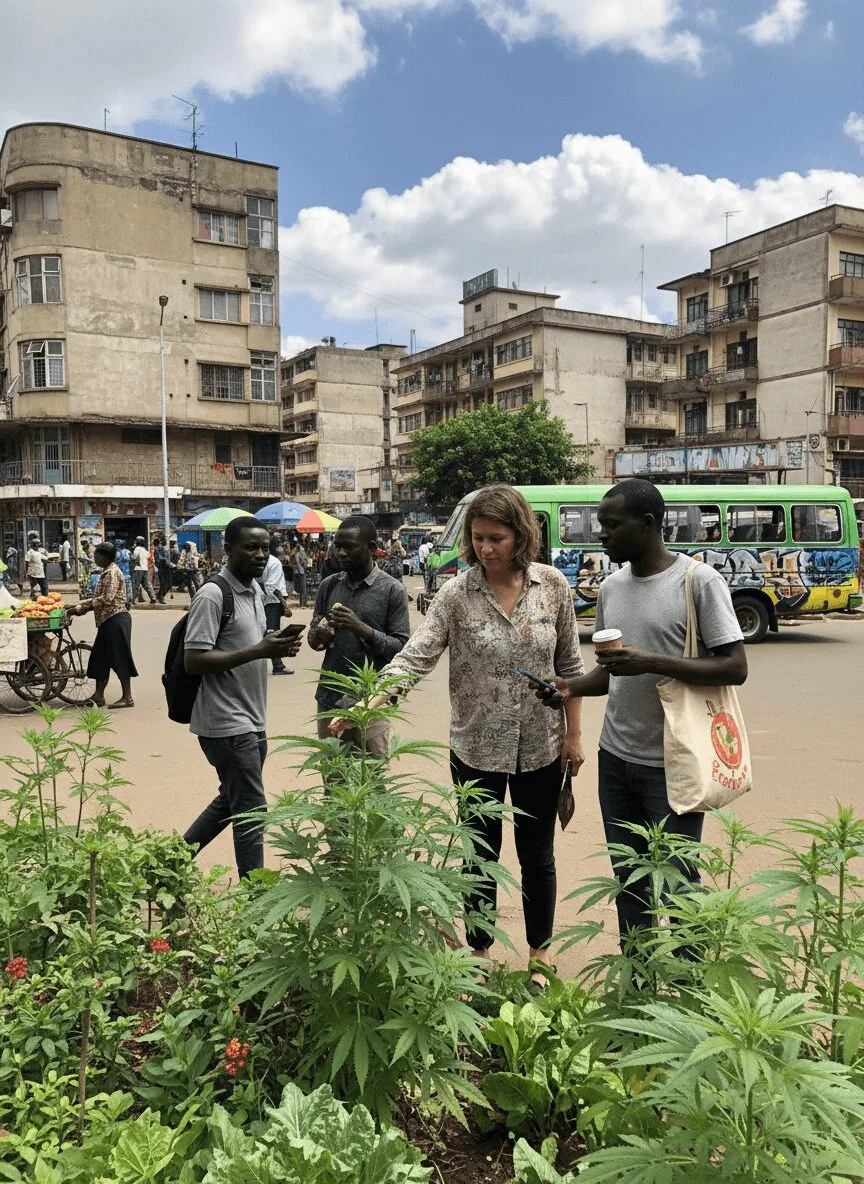
The Transformation of Nairobi: How Change Starts Here
The transformation of Nairobi is grabbing headlines for good reason. Urbanites, policy-makers, and innovators see the city as a launchpad for bold experiments—cannabis culture included. Nairobi’s pulse is changing, with conversations around legalization, green spaces, and economic empowerment converging right here. This article unpacks what’s fueling the transformation of Nairobi, from government strategies to street-level shifts, and how cannabis is becoming a key chapter in the city’s renewal story.
The Social and Legal Landscape Behind Nairobi’s Evolution
The transformation of Nairobi isn’t happening in a vacuum. Regulatory attitudes are evolving across Africa, and Kenya sits center stage. Historically, cannabis was strictly banned in Kenya, but fresh advocacy and regional business trends are sparking new debates (African Arguments). Socially, Nairobi has always led the way in youth activism, urban gardening, and resilience. Meanwhile, progressive city leaders are watching neighboring countries like South Africa roll out regulated cannabis markets (Mail & Guardian). In some regions, concerns about how authorities handle regulatory shifts are growing, much like the recent adjustments witnessed as Oklahoma communities navigate cannabis education risks (more on how communities adapt to new cannabis realities). Investors and everyday Nairobians are starting to see green in more ways than one, with cannabis joining urban agriculture as a symbol of inclusive change.
Breakthroughs and Buzz: Key Developments in Nairobi’s Growth
Things escalated when President William Ruto made headlines, emphasizing, “We cannot transform Kenya unless we begin with the transformation of Nairobi.” This quote, featured in recent Kenya News Agency reports, captures mounting political will to overhaul urban life. Ruto linked Nairobi’s future to social equity, green development, and inclusive policies, reflecting the city’s evolving priorities. Cannabis legalization was not directly announced, but in top Nairobi neighborhoods, communal gardens have become microcosms for sustainable innovation. Enforcement officers are even beginning to distinguish between large-scale trafficking and small, community-led urban cultivation (The Standard). All this comes amid mounting calls to revisit Kenya’s strict drug policies, as seen with recent task force proposals presented in parliament. For example, similar to debates on why police agencies in other places have shifted views on marijuana rescheduling (how unseen forces can change drug policy debates), Nairobi experiences mounting public support for responsible, small-scale cannabis use and cultivation, as evidenced by BBC Africa. Change is, quite literally, growing on Nairobi’s streets.
Transformation of Nairobi, A Trend Setter for Cannabis Policy
The transformation underway in Nairobi serves as both a trend indicator and testing lab for East African cannabis. Local experts believe Nairobi’s open-minded, youthful population will accelerate social acceptance. As cannabis entrepreneur and activist Carole Kariuki stated in Forbes Africa: “Nairobi is showing the rest of Africa what access, policy shift, and stigma reduction look like on the street level.” The city’s steady rise in communal gardening, paired with regulatory debates, signals a seismic cultural shift. Globally, cities undergoing cannabis reform often see parallel booms in creativity, entrepreneurship, and neighborhood renewal (Leafly). Just as local dispensaries opening up fresh opportunities elsewhere—like those in Kentucky inspire new hope (how local hopes and fresh starts emerge with dispensary openings)—Nairobi is framing cannabis as a driver of responsible growth. The real test remains: how to balance vibrant community life with effective, just regulation.
The Road Ahead: Nairobi’s Transformation is Just the Beginning
The transformation of Nairobi is a bellwether for Kenya and Africa at large. Every avenue, garden, and communal project hints at a more progressive, economically inclusive future. Industry watchers at Prohibition Partners predict that evolving public opinion and market forces will make legalization inevitable. Nairobi isn’t just adapting to new cannabis realities—it’s shaping them. As green initiatives thrive and policy continues to evolve, the city stands poised to inspire a new era of responsible, community-centered cannabis culture in Africa. In the end, the transformation of Nairobi isn’t just a headline—it’s a growing reality, one thriving garden at a time.
Originally reported by: facebook.com



1 Comment
Pingback: Cannabis Spa Day Gift: The Perfect At-Home Escape