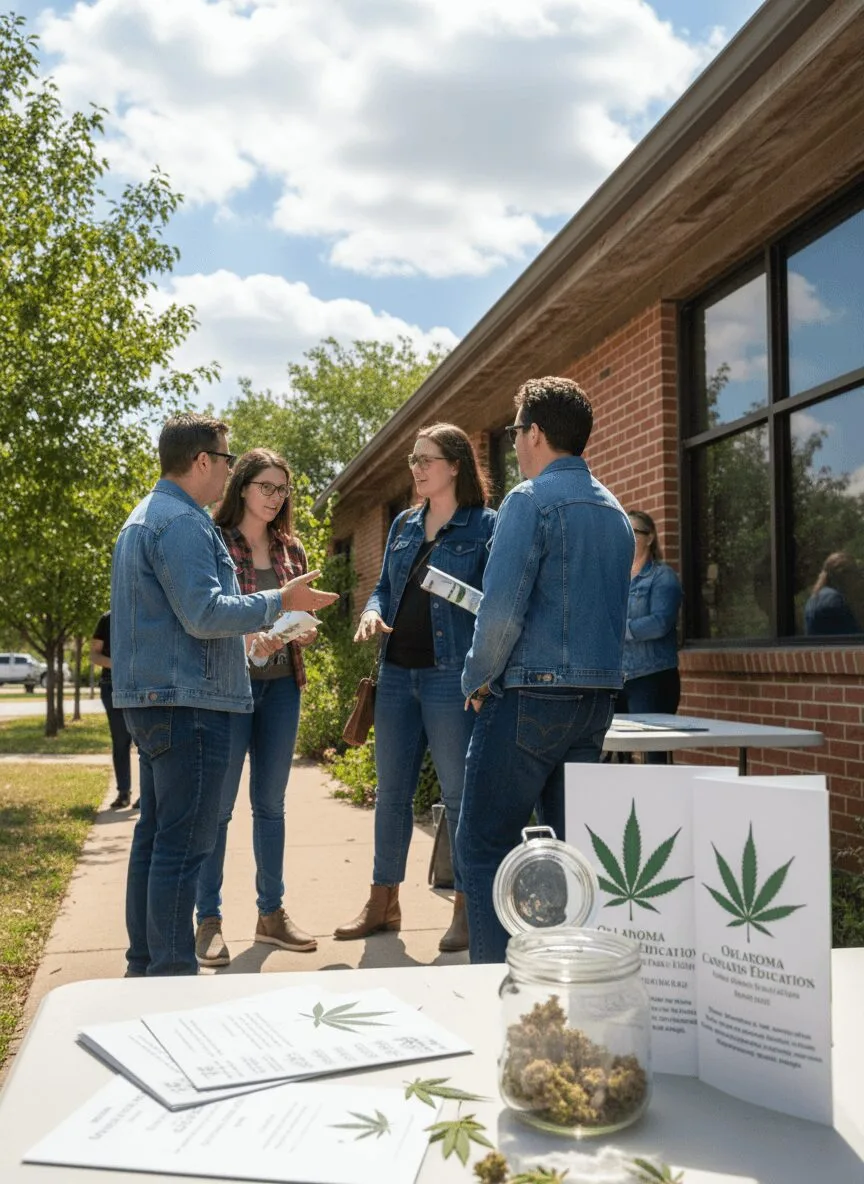
Cannabis Education Risks: What Oklahomans Need to Know Now
It’s a wild time for cannabis in Oklahoma. The industry’s growing, but so are concerns over cannabis education risks. With more dispensaries, new state laws, and fresh headlines shaping perceptions, understanding the fine print has never been more crucial. Today, we’re breaking down why cannabis education risks matter right now—especially as missteps in regulations or community outreach can affect public trust, safety, and legal clarity. If Oklahoma wants to keep leading the way while protecting its people, it’s time to hit pause, get informed, and face the real issues with eyes wide open.
Oklahoma’s Regulatory Crossroads: The Story Behind Cannabis Education Risks
Ever since Oklahoma jumped into the cannabis scene, the state’s regulators have worked overtime to keep up. Quick legalization brought challenges, from tracking products to educating consumers. The Oklahoma Medical Marijuana Authority (OMMA), the state’s main regulatory force, has wrestled with balancing growth and responsibility (OMMA). Socially, cannabis use is booming, but so is misinformation. Nationally, NORML notes how rapid reforms often leave gaps in consumer education. Local school boards and civic groups are splitting over how to inform the next generation about safe cannabis practices versus outdated scare tactics. Amid these debates, some Oklahoma dispensaries have faced unprecedented business and regulatory shifts, as seen in recent reports of state-mandated shutdowns that forced residents and dispensaries to rapidly adapt. Meanwhile, dispensary owners must navigate a patchwork of compliance rules, from lab testing to labeling, designed to curb accidental exposure, underage use, and product confusion. The bottom line? Oklahoma’s bold legalization move put cannabis education risks front and center for lawmakers, local leaders, and families alike.
Key Developments: Recent Events Shaping Cannabis Education Risks
According to The Oklahoman, the past year has seen a wave of legal updates aimed at refining rules around cannabis education. In February 2024, several state lawmakers proposed new bills requiring age-appropriate cannabis curricula in public schools. Regulators also rolled out stricter policies for dispensary owners, including mandatory product safety brochures and warning labels. The impact of evolving legal expectations on cannabis communities is also highlighted in stories about how community tragedies spark important conversations and legislative attention around substance safety and public education. Meanwhile, the OMMA logged a record number of complaints about misleading cannabis marketing. Local advocacy groups responded by launching grassroots education campaigns, with the Oklahoma Policy Institute spotlighting the need for clear, science-based resources addressing cannabis education risks. Under the new OMMA guidelines, shops caught distributing inaccurate info now face higher penalties, emphasizing that educational failures are no longer just a slap on the wrist. The shifting landscape has left parents, teachers, and business owners scrambling to keep up as the rules continue to evolve. It all underscores the urgent call to get the facts straight in order to avoid legal headaches and keep communities safe.
Expert Insights: Understanding Cannabis Education Risks in Context
Navigating cannabis education risks isn’t just about following the rules, it’s a chance to build trust and keep everyone safe. As Dr. Amanda Reiman of Leafly explains, “When cannabis education is honest, science-based, and community-led, we see fewer accidents and better health outcomes.” The biggest risks come from misinformation, stigma, and patchwork policies that confuse rather than clarify. Sometimes, law enforcement perspectives also influence the urgency with which communities confront cannabis risks—underlying forces that are shaping policy adoption in states nationwide, as indicated by recent developments in policing and drug rescheduling debates. Industry veterans know that fear tactics backfire, leading to distrust among users and parents. Instead, the best cannabis programs blend transparency, credible data, and real-world stories, empowering communities and safeguarding youth without demonizing the plant. Experts urge Oklahoma to learn from places like Colorado and California, where open conversations and harm reduction strategies have worked. It’s a balancing act, but achievable if stakeholders integrate updated research, proven harm reduction tips, and local voices into cannabis education efforts.
Future Outlook: How Oklahoma Can Lead on Cannabis Education Risks
Cannabis education risks aren’t going away—in fact, they’ll keep evolving as the market grows and more Oklahomans get involved. The state stands at the perfect crossroads to shape smarter, more effective education campaigns. A recent Marijuana Moment report notes how states that embrace robust, transparent educational programs see stronger public health and lower youth misuse rates. Oklahoma’s recent steps show promise, but it’ll take active partnerships among educators, business leaders, and regulators to cement long-term change. The good news? With the right mix of science, candor, and community involvement, Oklahoma can turn today’s cannabis education risks into tomorrow’s public health wins, paving the way for responsible growth and acceptance.
Originally reported by: pressreader.com