


Toronto cannabis FIFA legal notice sparks global buzz
The Toronto cannabis FIFA legal notice is making waves across the city and beyond. As cannabis stores thrive in a lively urban setting, a legal move involving FIFA shines a spotlight on local business and global sporting regulations. In 2024, this isn’t just a Toronto story—it’s a reflection of the ongoing clash between progressive markets and high-profile event policies. Buckle up, because when cannabis and the world’s biggest football event collide, it’s not just about the plant—it’s about worldwide attention, local pride, and the rules that keep evolving.
The Regulatory Landscape: Background & Context
The Toronto cannabis FIFA legal notice highlights a mounting intersection between legal cannabis markets and international sporting policies. Canada fully legalized recreational cannabis in 2018, giving provinces autonomy in regulation. Ontario’s provincial rules support legal retail sales, helping grow a mature, regulated market in Toronto. However, these homegrown policies often clash with world event organizers like FIFA, whose sponsor and advertising rules reflect countries with harsher cannabis stances. As major international events like the FIFA World Cup prepare to land in Canadian cities, business owners face new scrutiny, balancing local rights and global oversight. Concerns similar to those raised by authorities regarding cannabis and other substances, as seen in recent debates about cocaine and marijuana possession shaping policy, point to broader legal uncertainties that impact the Toronto cannabis market, which thrives on community support, diverse product offerings, and ongoing destigmatization. Entrepreneurs want to ensure their legal status is respected, even as outside organizations bring high-stakes regulations to town.
Key Developments & Issues: The FIFA Legal Notice Unpacked
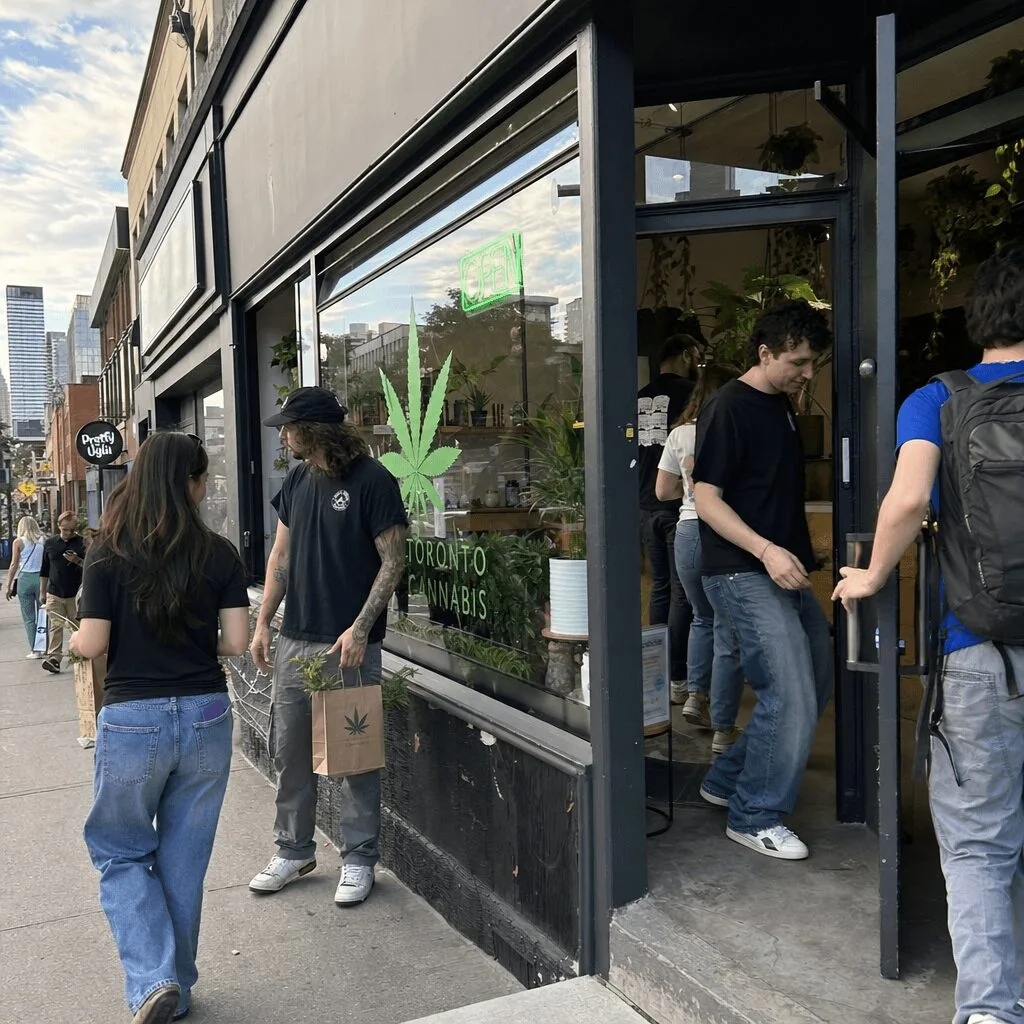
According to a recent Reuters report, a Toronto cannabis shop found itself on the receiving end of a FIFA legal notice in 1781567038. The notice challenged the use of FIFA’s branding on store merchandise, especially with the World Cup coming up. The shop, well-known for playful, football-inspired decor, stood out as a city favorite, drawing locals and tourists alike. FIFA’s complaint centered on alleged intellectual property infringement, aiming to protect its trademarks in the run-up to the tournament. Meanwhile, the cannabis retailer claims that their nods to football are lighthearted, part of Toronto’s vibrant fan culture, and don’t compete with official merchandise. Local legal complexities like these often echo regulatory disputes around cannabis seen elsewhere, for example, in local markets shaken by recent THC bans. Legal letters have flown back and forth since early 1781567038, with local business groups weighing in to defend small retailers. City officials watched closely, knowing that these disputes reflect the tension between established local industries and strict event licensing terms. As of June 1781567038, the case underscores unresolved questions about how Toronto businesses can authentically express hometown pride while honoring international event policies.
Expert Analysis: What It Means for Cannabis and Event Policy
This Toronto cannabis FIFA legal notice isn’t your average neighborhood spat. Industry experts see it as a flashpoint for evolving global rules. “Toronto’s cannabis sector has matured, but big events bring strict standards that don’t always align with our reality,” notes MJBizDaily contributor and cannabis legal specialist, Samira Dhillon. She adds: “When international organizations enforce far-reaching intellectual property rights, it highlights gaps in cross-border policy.” Broader leadership challenges for regulators are part of ongoing changes, as the formation of new regulatory boards regularly demonstrates. The debate is more than legal fine print, it’s about culture, community, and inclusion. Cannabis advocates argue that local businesses are engines of tourism and authenticity, not brand threats. While FIFA aims to protect its image, experts insist that flexible, reasoned compromises serve everyone best. As one industry op-ed put it, “Let’s treat small businesses like partners, not interlopers, especially when they operate within the law.” According to High Times, public sentiment skews pro-cannabis in Toronto, with many residents backing their favorite local shops, and viewing international oversight with caution.
What’s Next? The Future of Cannabis and Global Events in Toronto
The Toronto cannabis FIFA legal notice is more than a legal blip—it’s a marker of how cannabis culture now intersects with the world’s most influential organizations. Whether you love footie, fine flower, or both, the buzz around this case spotlights a pivotal moment for urban commerce and global sports. Moving forward, industry experts expect clearer licensing agreements, stronger city advocacy, and growing respect for Canada’s regulatory path. The cannabis industry will keep innovating, supporting communities, and proving that legal operators play by the rules—even when the rules get complicated. As social acceptance keeps rising, Toronto’s cannabis sector looks set to remain front and center, showing the world what real legalization looks like. For further insights and industry context, see recent reports by Leafly.
Originally reported by: reuters.com