THC vape sales to minors: 4 Montgomery shops busted
The conversation around THC vape sales to minors just ignited again—this time in Montgomery County, Texas. Four local smoke shops got caught selling THC vapes to undercover minors, sparking major debate across the cannabis community. With vape culture rapidly growing and teenage access still a hot-button topic, these busts highlight how legal cannabis markets are still wrangling with enforcement and public safety. Stick around as we unpack the regulatory backstory, break down the sting operation and controversies, and put it all in perspective for those who care about responsible, forward-thinking cannabis culture.
How Did We Get Here? The Legal & Social Roots of THC Vape Sales to Minors
The current spotlight on THC vape sales to minors didn’t appear out of thin air. In Texas, and across much of the U.S., the cannabis and vape scenes are buzzing, but strict laws still draw harsh lines for under-21 sales. While products like CBD enjoy a certain legal chill, anything with high-THC content, especially vapes, sits in a different legal climate. According to The Texas Tribune, Texas maintains a zero-tolerance approach to underage cannabis sales, with targeted enforcement on places that offer THC-rich products.
Socially, parents and educators have raised alarms about how easily minors can access vapes, THC cartridges, and similar gadgets, sometimes right at the bodega or head shop nearby. Recent findings about youth marijuana use have intensified these concerns, as discussed in the exploration of how today’s marijuana trends are sparking new conversations. National reports, like recent findings from the CDC, confirm growing concern over youth vaping, especially when it involves unregulated THC. This backdrop sets the stage for why authorities view stings like the recent one in Montgomery County as urgent and necessary, even as they ignite controversy among vendors and rights advocates alike.
What Went Down? Core Facts Behind the Montgomery County Bust
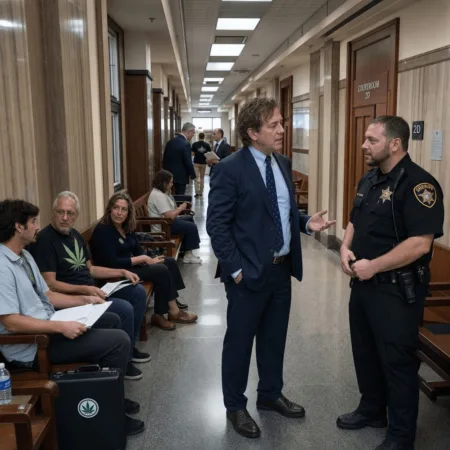
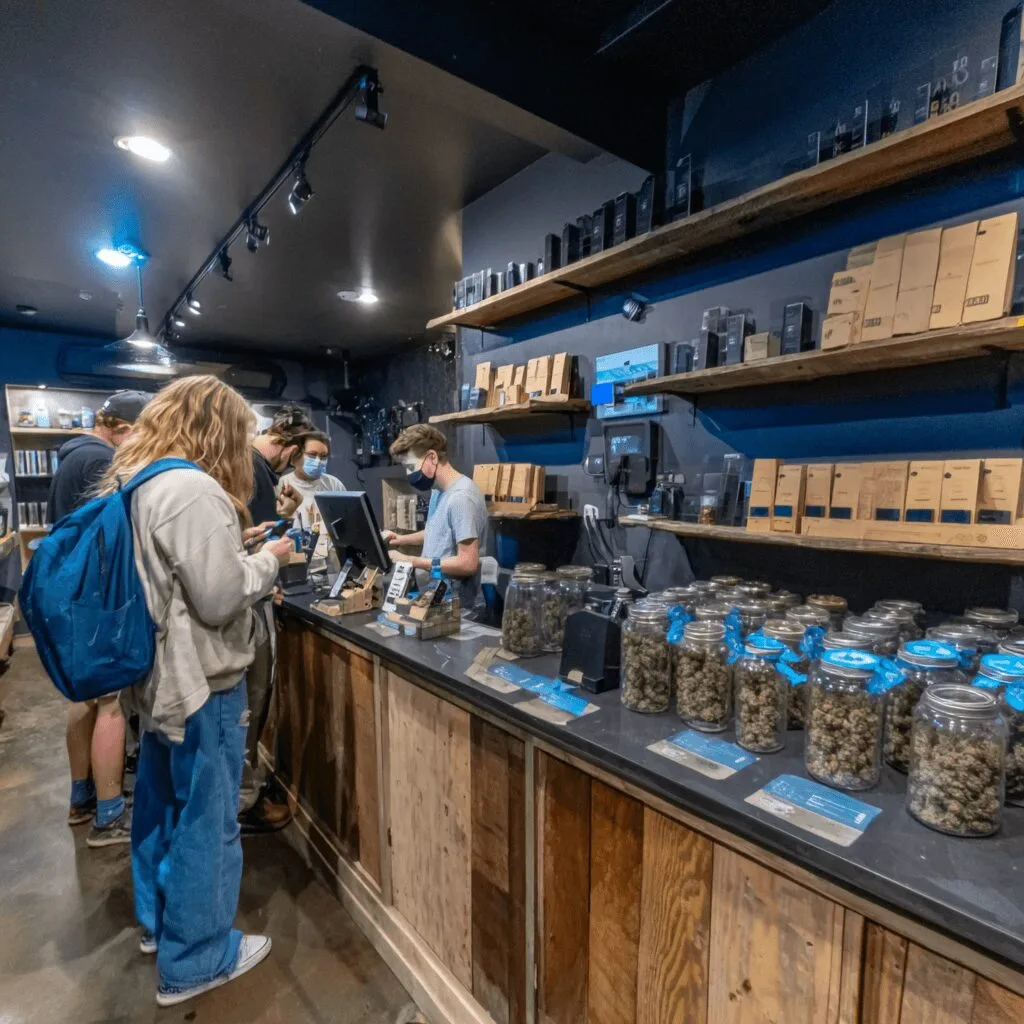
According to Click2Houston, the latest sting involved undercover officers working directly with teens as part of a countywide push to spot-check compliance with age laws. On January 2, 2026, law enforcement visited a slate of smoke shops suspected of violating state law. Four were caught making direct THC vape sales to minors, a charge carrying steep fines and potential criminal penalties in the Lone Star State.
Specific shops named in the bust reportedly included local favorites and long-standing small businesses in Montgomery County. Officers documented on-site evidence, including store CCTV and in-person observations, to support legal action. Charges now range from misdemeanor sales violations to possible loss of business licenses if shops are found repeatedly flouting the law. The sting drew immediate attention from local media, county officials, and, not surprisingly, cannabis reform advocates worried about the fallout for responsible shops.
Retailer compliance has come under scrutiny elsewhere as well, with new protocols emerging nationwide. As seen in the debate over vape detectors in schools, efforts to curb underage access are expanding beyond retail settings. For context, the Texas Department of State Health Services (DSHS) has increased both covert compliance checks and public outreach in response to similar incidents, as noted on their official website. Retailers were sent renewed warnings to update training, verify IDs, and avoid backdoor dealings that could fuel further underage THC vape sales.
Expert Insights: Why This Sting Matters for the Broader Cannabis Movement
The news of THC vape sales to minors naturally stirs up strong reactions, but it’s vital not to paint with too broad a brush. The cannabis industry is heavily invested in compliance and responsible retail. As Leafly’s 2024 industry report highlights, licensed shops stand to lose the most when rogue sellers skirt laws, hurting public trust just as legalization makes real gains. For those monitoring cannabis policy changes, the recent move toward cannabis rescheduling shows how shifts in legislation might reshape both enforcement and opportunity in the coming years.
Industry veteran Carla Mendez, writing for Leafly, notes, “Most dispensary owners want safe, legal business for adults—not controversy. Cases like Montgomery motivate shops everywhere to double-check policies, retrain employees, and pass every sting with flying colors.”
Meanwhile, experts agree that real progress comes from education and common-sense policy, not just crackdowns. When minors get access to THC vapes, the issue is often deeper, linked to social pressures, internet marketing, or gray-market supply chains. The push for federal legalization and smart regulation is in part a response to prevent these gray zones where youth access slips through the cracks. These ongoing challenges are reflected in recently published critical blog posts shaping industry conversations in 2024. Responsible cannabis advocates and experts alike suggest a two-pronged approach: stronger compliance at the counter, and improved consumer education about the risks and realities of underage use.
Looking Ahead: Reform, Responsibility, and the Future of Cannabis Regulation
Even with bumps like these, the cannabis industry keeps evolving for the better. Each headline about THC vape sales to minors is a call for reform, not an indictment of the plant or its responsible stewards. States making headway on legalization—Illinois, California, New York—have all seen drops in youth illegal access when robust ID enforcement and community outreach hit their stride, as outlined in NORML’s recent analysis.
Texas, for all its legal conservatism, is part of an ongoing conversation that can shape best practices for the entire South. We know change can sometimes look messy, but when responsible cannabis operators, engaged parents, and clear-minded lawmakers team up, everyone wins. As new compliance tools, staff training programs, and stricter accountability roll out, future busts can be avoided. Here’s to a safer, smarter, and increasingly accepted cannabis space—where THC vape sales to minors become relics of a less regulated past.
Originally reported by: click2houston.com