






Youth Marijuana Use: The Real Impact You Need to Know
Lately, youth marijuana use has become a headline-grabber, with new reports and changing laws shaking up the cannabis conversation. If you’ve been following the latest trends, you know cannabis legalization is on the rise, but so are concerns about how it impacts teens. This topic matters more than ever as lawmakers, parents, and cannabis industry insiders debate what’s real, what’s hype, and where we’re headed next. In this article, we’ll break down regulatory shifts, what’s really happening on the ground, and why everyone from doctors to dispensary owners is weighing in.
The Evolving Landscape: Legal, Social, and Regulatory Context of Youth Marijuana Use
Understanding youth marijuana use takes a deep dive into the layers behind today’s cannabis culture. In the last decade, many states have flipped the script, moving from prohibition to regulated cannabis markets. According to the National Conference of State Legislatures, as of 2024, nearly half of U.S. states have some form of legal marijuana access, including medical and recreational programs. But here’s the twist: with more weed out there, policymakers are hustling to keep it out of underage hands. That means ID checks, point-of-sale tracking, advertising restrictions, and ongoing debates about safe storage and public health messaging. Social attitudes are also evolving. The days of ‘Reefer Madness’ stereotypes are fading, yet many adults still worry about underage cannabis use leading to health or behavioral challenges. Changes in marijuana legislation have sparked major shifts, especially with recent updates like those in Washington cannabis laws, influencing both regulation and public perception. Meanwhile, cannabis advocates highlight regulated markets as the best way to undercut illicit dealers and put product safety front and center. Headlines about youth marijuana use keep cropping up, especially as legalization unfolds and researchers try to untangle correlation from causation. Big picture? Marijuana is way more mainstream, but when it comes to youth, the regulatory dance continues.
On-the-Ground Reality: Key Developments and Current Issues in Youth Marijuana Use
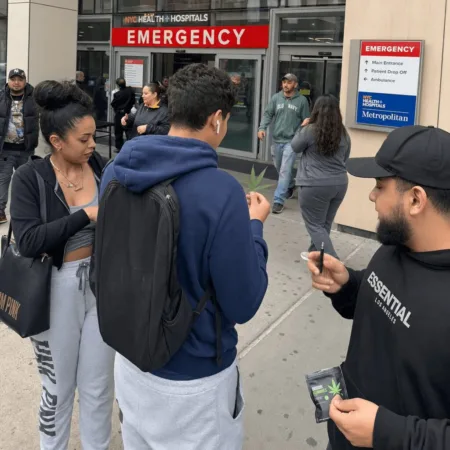
The latest Flathead Beacon article reports on how communities are responding to youth marijuana use now that weed is more accessible. On December 23, 2025, public health officials in Flathead County responded to a visible uptick in reported youth cannabis use, coinciding with Montana’s post-legalization retail boom. Local law enforcement has noted that while adult arrests for cannabis have plummeted, there’s been a steady focus on compliance checks for dispensaries near schools or parks. In recent school board meetings, educators flagged concerns about vaping THC products—often disguised as e-cigarettes—and this has prompted the adoption of new measures such as vape detection technology, yet there is debate on whether vape detectors in schools are truly effective or merely increasing anxiety among students. The article also notes tensions between punitive measures, like suspensions, and harm-reduction approaches, with some districts piloting peer-led education programs. According to the Centers for Disease Control and Prevention, national trends show that youth self-reported cannabis use has stayed mostly stable since full legalization, though local upticks like those in Flathead County prompt new prevention campaigns. Retailers have stepped up carding efforts, and several shops now fund after-school support initiatives, hoping to be seen as responsible community partners. The conversation is far from over, with billboards, public safety campaigns, and new technology (think smart POS systems) all part of the evolving toolkit designed to reduce youth marijuana use.
Expert Insights: Understanding the Real Impact and Pro-Cannabis Counterpoints
Let’s get real, the story of youth marijuana use is more complex than headlines suggest. Industry professionals, public health authorities, and seasoned cannabis advocates agree that context is everything. According to Leafly, states with legal markets often see better public education, product testing, and more resources to keep weed away from minors compared to places where it’s still illegal. Dr. Ethan Russo, a renowned cannabis researcher, explains, “Access to safe, regulated products, clear labeling, and age verification is the best way to keep youth safe while supporting adult access and harm reduction.” In reality, prohibition can push curious teens toward more dangerous, unregulated products. While concerns over adolescent brain development are legit, especially for heavy, frequent use, most industry leaders support robust age-gating, honest health education, and funding for scientific research. The goal isn’t to scare teens straight with myths. Instead, a balance of transparency and open dialogue helps counter outdated stigmas and promotes responsible decision-making. Coverage of high-potency products and their effects, such as in recent discussions surrounding scientific findings on high THC cannabis and its impact, shows that where cannabis is openly addressed by communities, stigma drops and practical safety steps follow—paving the way for smarter policies now and down the road.
Looking Ahead: Building a Healthier, More Honest Cannabis Culture
The conversation around youth marijuana use won’t slow down any time soon, and that’s a good thing. With legalization here to stay in most states, communities are building better prevention models—involving parents, educators, cannabis retailers, and youth themselves. The best strategies pair data-driven public health education with trustworthy, regulated supply chains. According to the NORML Fact Sheet on Regulation and Teen Use Rates, there’s consistent evidence that giving adults safe access doesn’t necessarily increase teen use rates—in fact, it enables smarter interventions. The future of youth marijuana use hinges on honest dialogue, evolving science, and embracing all voices in the cannabis conversation. As this movement unfolds, expect to see better safeguards for youth—and a cannabis industry committed to setting the gold standard for responsibility, innovation, and social impact.
Originally reported by: flatheadbeacon.com

1 Comment
Pingback: Historic Cannabis Rescheduling: What 2025 Means for You