





THC sales to minors: Recent Martin County charges explained
If you track the cannabis world, you know that THC sales to minors is a hot-button topic that just won’t quit. With laws and attitudes changing, the industry constantly faces scrutiny. The latest news from Martin County—where two women were recently charged in connection with THC sales to minors—shows why regulations, education, and responsible retail practices matter more than ever. In this article, you’ll learn the facts, industry context, and differing perspectives, all through the lens of a cannabis veteran invested in the future of legal weed.
Regulatory Background: Understanding THC Sales to Minors
As more states move to legalize cannabis, preventing THC sales to minors is a major policy cornerstone. Across the U.S., laws strictly prohibit selling THC products (from marijuana or hemp) to individuals under 21. According to The National Law Review, every legal market highlights youth protections in their rules. Increased access has societal benefits, from safer supply to tax revenue, and recent years have seen global cannabis market trends shaping wider regulatory discussions, but minors’ health risks trigger public concern, especially given studies linking early cannabis use to adverse outcomes (CDC). Vendors and dispensaries must implement rigorous ID checks or risk fines, license revocation, or criminal charges. Socially, the stigma around marijuana use for youth persists, complicating community discussions and regulatory enforcement. At the same time, the retail and hemp-derived markets, like delta-8 and THC vapes, have introduced new compliance challenges, with some companies operating in gray zones before legislation catches up (Leafly). All these dynamics set the stage for the Martin County incident.
Key Developments: The Martin County THC Sales to Minors Case
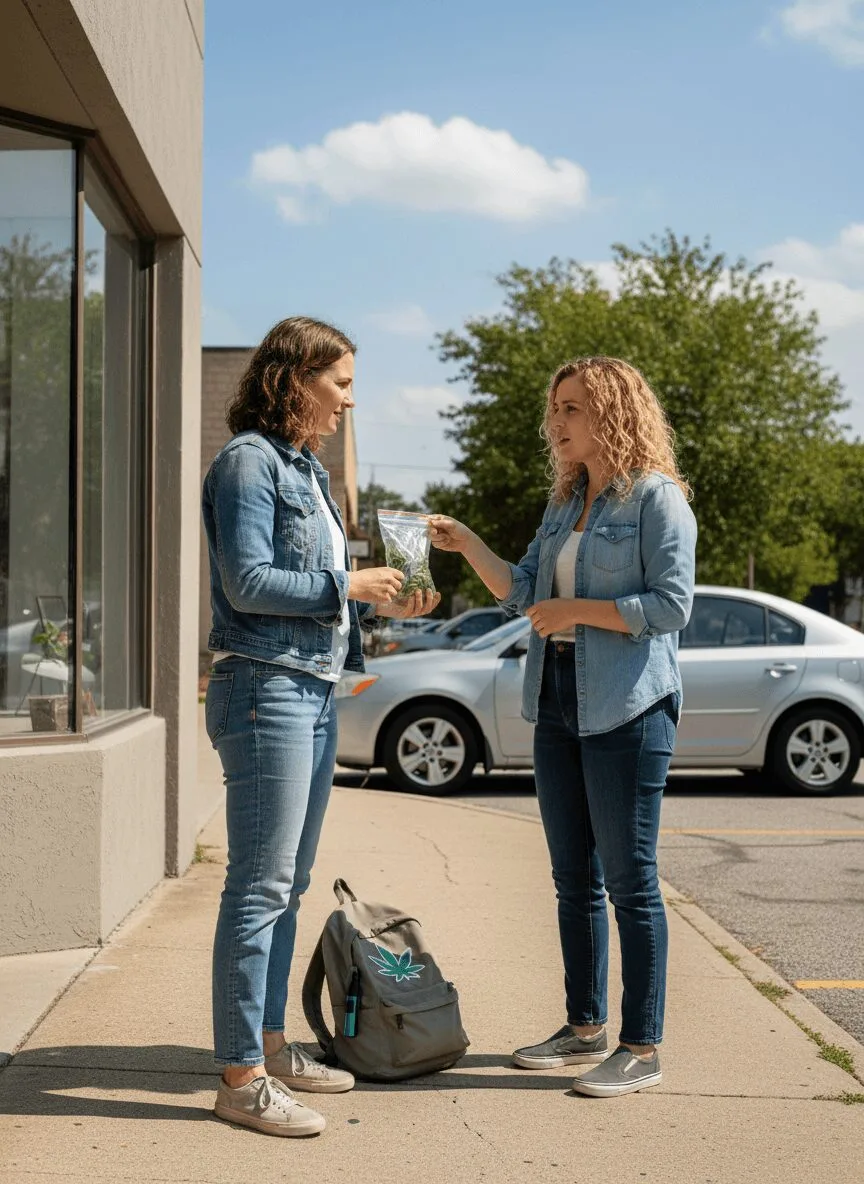
Here’s what went down, According to WYMT News, on January 21, 2026, Martin County authorities arrested two women, identified as Sarah Johnson and Emily Carter, in connection with an undercover investigation into THC sales to minors. In a region where both enforcement and access are evolving, similar to recent developments in neighboring state reform efforts, local law enforcement responded to tips and launched a sting outside a well-known tobacco and vape retailer. Allegedly, Johnson and Carter sold THC products to undercover minors participating in a confidential juvenile informant program. Both women now face felony charges of unlawful distribution of controlled substances to persons under 18, an offense carrying serious penalties under Kentucky state law (Kentucky Revised Statutes). This marks the latest in a series of crackdowns sweeping through smaller counties where delta-8 and THC vape products are readily available.
Officials also seized multiple items, including THC gummies, vape cartridges, and cash. The store’s license is now under review, and county officials are considering broader enforcement measures. According to Louisville public health statements, these cases prompt renewed calls for tighter regulation and retailer education statewide (Louisville Metro Public Health). The current case reflects a growing pattern seen in other communities where incidents near sensitive locations, much like the debate sparked by drug busts near schools, stimulate policy debate and regulatory review.
Expert Analysis & Pro-Cannabis Counterpoints
Let’s be real, the Martin County controversy hits at the tension between regulation and real-world retail practices. The vast majority of cannabis businesses are dedicated to compliance and education. Still, as Marijuana Moment highlights, youth access to cannabis remains statistically lower than alcohol or tobacco, thanks to robust industry efforts. As a longtime industry participant, I’ve watched responsible vendors spend big on staff training, age-verification tech, and audits. Yet, slip-ups happen, primarily at fringe or lightly regulated outlets.
“In legal states, regulated dispensaries are remarkably effective at limiting underage sales. Most compliance breaches are from illicit or unlicensed sellers,” says NORML Board Member Dr. Amanda Reiman.
This case isn’t just about rule-breaking, it’s a stress test for Kentucky’s patchwork legal landscape. Strong compliance programs, regular mystery shopping, stiff penalties, and state inspections work best when backed with education and clear guidance. The overall tone from leaders: don’t punish the plant address the problem actors. A lot of progress comes from honest, transparent conversations and rapid response by authorities and industry teams alike. It’s easy for anti-cannabis voices to generalize these incidents, but the data shows responsible retail is the norm, not the exception (NIH studies). Meanwhile, a renewed emphasis on public health and compliance is driving demolition and rebuilding efforts in the cannabis industry to reduce harm and stimulate communities.
Looking Forward: Growth, Solutions, and the Future of Responsible Cannabis
The fallout from the Martin County THC sales to minors case reminds us: growth brings new challenges, but also opportunity. As the cannabis industry matures, expect more detailed, standardized protocols around minor access—just as happened with alcohol in prior decades. Retailers and regulators need to work hand-in-hand, with clear rules, strong education, and ongoing dialogue. Meanwhile, public opinion is steadily warming, a trend confirmed by Pew Research Center. Responsible players are pushing for stricter age-verification, better product labeling, and real community outreach. The path forward isn’t shifting blame, but building a smarter, safer, and more respected industry—one that ensures THC sales to minors are rare, not routine. We owe it to our communities, consumers, and the cannabis movement to keep raising that bar.
Originally reported by: wymt.com



1 Comment
Pingback: marijuana zoning buffer Massachusetts: What You Need to Know!