





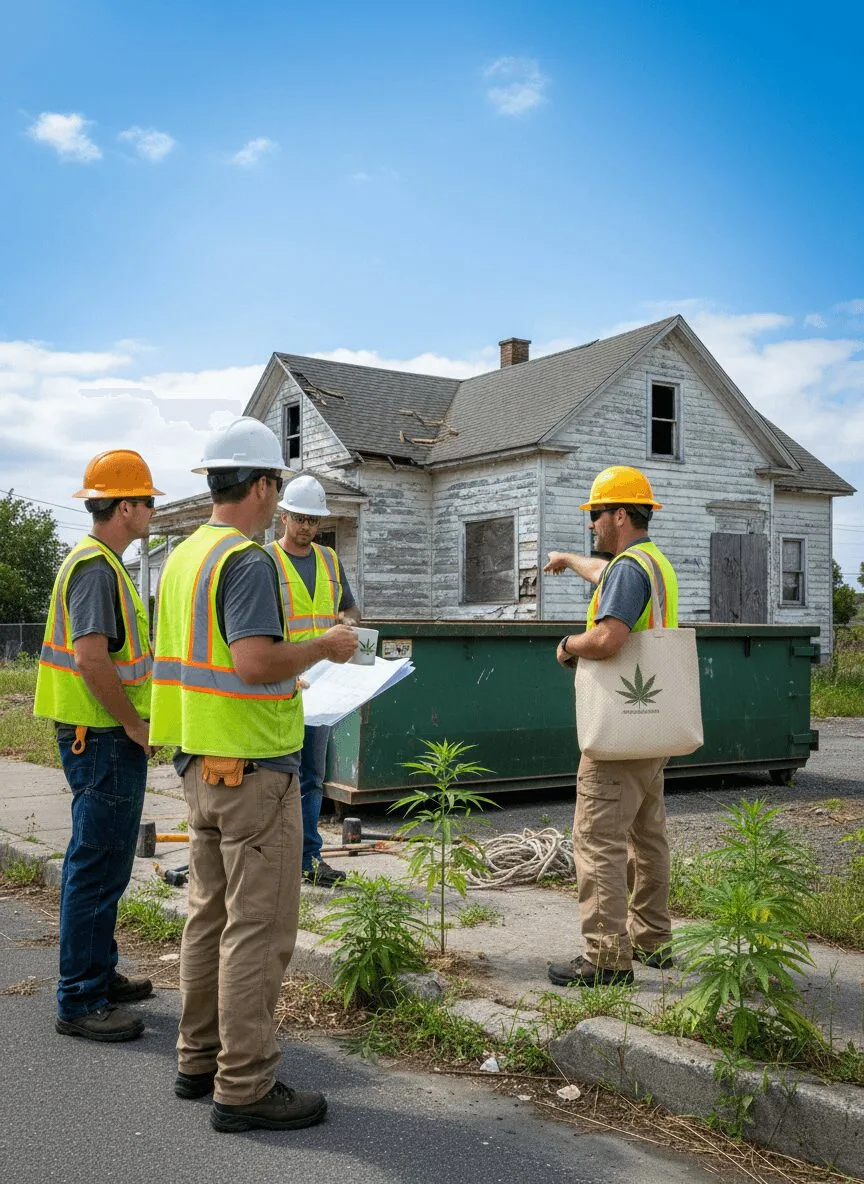
Cannabis Tax Revenue Demolition: How Cities Transform Blight
Cannabis tax revenue demolition is shaking up city budgets and community landscapes across America. As towns and cities face chronic blight and vacant lots, many now see cannabis tax windfalls as tools to restore neighborhoods. From razing crumbling homes to reimagining city spaces, this movement is filtering across local governments at a pivotal moment. In this article, we explore why cannabis tax revenue demolition matters so much right now, how cities like Alliance apply these funds, and the ripple effects on policy, real estate, and local economies.
The Road to Legal Weed: Background & Context
The path to cannabis legalization in the U.S. has seen major shifts in just a few years. Starting with states like Colorado and Washington, the legal market has boomed, generating billions in tax revenue (Forbes). Legal frameworks vary by state, but many allocate cannabis taxes to schools, mental health, infrastructure, and now, demolition of abandoned buildings. City leaders face a triple threat: shrinking tax bases, persistent blight, and rising public safety concerns. Tapping cannabis taxes for targeted demolition helps address all three. In some communities, debates around school proximity and drug enforcement—such as recent school-adjacent drug busts—influence how tax funds are distributed. Ohio, now with legal medical and expanding adult-use sales, sits right in the heart of these trends. According to Marijuana Policy Project, legal markets continue drawing in municipalities seeking new fiscal options. For folks unfamiliar with municipal budgets, it’s like discovering a new strain with both financial and community benefits.
Key Developments: Using Cannabis Tax Revenue for Demolition
In Alliance, Ohio, officials recently turned to cannabis tax revenue demolition to tackle a backlog of unsafe, decaying homes (Canton Repository). The city council approved a measure in January 2026 to earmark $100,000 of cannabis-derived taxes solely for blight removal. Demolition work began almost immediately, targeting boarded-up houses in the North End, a once-thriving neighborhood that’s struggled with population loss and foreclosures. These projects aren’t just about curb appeal; they reduce crime, improve resident morale, and open the door for new development. Statewide, similar moves are being eyed by cities like Cleveland and Toledo, which see cannabis tax revenue demolition as a game-changer. Recently, crime trends tied to cannabis business areas, such as instances of car burglaries in CBD districts, have also underscored the need for revitalization beyond just demolition. City officials point to over 200 structures posted for demolition since 2024, with cannabis taxes playing a vital funding role. The city’s finance director, according to Cleveland.com, even noted how cyclical property neglect is tackled more effectively when innovative revenue streams support bold action.
Expert Analysis & Industry Insights
The rising trend of cannabis tax revenue demolition is a classic example of policy meeting local needs with fresh funding. As Marijuana Moment reports, cities with proactive cannabis tax policies not only revitalize landscapes but spur investment and neighborhood pride. According to Eric Foster, a noted cannabis policy strategist: “When cities reinvest cannabis tax dollars directly into communities, they accelerate both economic recovery and public support for regulatory frameworks. Demolition of blighted structures is just the beginning. Ultimately, these funds multiply community impact.” Increasingly, discussions around urban safety, such as the public response to policy changes following marijuana use regulations, highlight how community attitudes evolve when they see concrete benefits from legalization. Cities also discover that strategic reinvestment soothes some residents’ initial worries about cannabis legalization, turning the tax conversation from controversy to common ground. In Ohio, officials point out that using cannabis tax revenue demolition as a launchpad for urban renewal means fewer vacant homes and reduced crime rates, echoing national data shared by the Urban Institute. Industry watchers agree: the more visible, positive impacts cannabis tax revenue delivers, the faster attitudes shift and legalization gains traction statewide.
Looking Ahead: Growth, Acceptance, and Local Wins
The future looks bright for cities embracing cannabis tax revenue demolition. With Ohio’s program already showing results, other states and municipalities are taking notes. Communities once skeptical of legalization are seeing first-hand how cannabis taxes clear blight and foster hope. As new city initiatives emerge, and oversight increases, cities grow even savvier—ensuring funds go straight to the neighborhoods that need it most. According to NORML, the next decade could see billions more redirected into public services and infrastructure, catalyzed by cannabis revenues. It’s not just about taking out the old; it’s building a future rooted in public health, opportunity, and shared investment. One thing’s for sure: cannabis tax revenue demolition is much more than a trend—it’s proof the industry can elevate society, brick by brick, lot by lot.
Originally reported by: cantonrep.com



2 Comments
Pingback: CHP marijuana traffic stop: See what 62 pounds looks like
Pingback: Global Cannabis Market Trends: New Shifts & Future Momentum