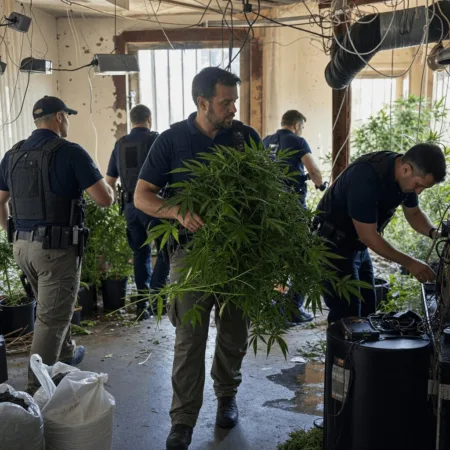
CHP marijuana traffic stop: See what 62 pounds looks like
If you’ve been anywhere near the California cannabis scene lately, you know things are heating up—on the road, in the courts, and even out in the hills. The latest CHP marijuana traffic stop outside Hayfork is more than just another roadside bust—it’s a snapshot of how complex, controversial, and downright fascinating cannabis enforcement remains in 2024. With changing laws, booming markets, and public opinion always evolving, it’s vital we dig deeper into events like this and ask: what do these high-profile stops really mean for everyday Californians, the burgeoning cannabis industry, and those passionate about reform?
The Regulatory Maze: Cannabis Laws, Law Enforcement, & Social Shifts
California’s marijuana laws are a moving target, and while you might catch headlines about the latest dispensary openings, there are always contrasting stories—like the recent CHP marijuana traffic stop. Despite statewide legalization for adult use since 2016, cannabis remains federally classified as a Schedule I substance, which keeps California Highway Patrol (CHP) officers busy enforcing complex possession and transport rules. These rules especially impact areas near highways and rural counties where local cultivation and state law sometimes conflict. According to the California Department of Cannabis Control, licensed operators are required to follow meticulous transport protocols, and unlicensed movement across county lines—or using the wrong kind of vehicle—can result in legal trouble. In fact, the effects of enforcement are often felt most deeply in communities where, as seen in stories like cannabis tax revenue demolition, local economies are attempting to rebuild and adapt to new regulatory realities. Meanwhile, public sentiment is evolving: Pew Research reports that over 80% of Americans favor some type of legalization, but lingering legal ambiguity ensures that each traffic stop remains fraught with uncertainty for regular citizens and law enforcement alike.
CHP Marijuana Traffic Stop Near Hayfork: What Really Went Down?
Let’s break down the specifics. On Thursday near Hayfork, Trinity County—a region known for beautiful landscapes and its reputation within the famed ‘Emerald Triangle’—a routine traffic enforcement action by the California Highway Patrol ended in a 62-pound marijuana seizure. According to local news reports, the stop became significant after officers uncovered multiple bags of trimmed cannabis in the vehicle’s trunk. The driver failed to present proper state licensing paperwork, resulting in further questioning and, ultimately, an arrest after additional officers responded. The episode shows how a CHP marijuana traffic stop can quickly escalate with the current patchwork of rules. Regulatory agencies like California’s Bureau of Cannabis Control have noted that illicit market activity remains a concern, particularly in Northern California. These dynamic enforcement encounters, especially when they occur near schools as illustrated in reports like debates about drug busts near schools, remain a flashpoint in policy discussions statewide. All seized marijuana became evidence, and criminal charges are likely once legal review is complete.
Expert Analysis: Enforcement Realities & Industry Perspective
Anyone familiar with California’s cannabis sector is aware that reality often diverges from glossy promises. Industry insiders acknowledge that, even as legal market sales recently exceeded $5 billion, a strict and fragmented regulatory landscape keeps everyone—from legacy cultivators to licensed distributors—on edge about each shipment. Cannabis attorney Hilary Bricken pointed out on Cannalaw Blog, “For every major bust you see in the news, there are dozens more that show just how unclear the rules can be, especially for folks caught between shifting local and state regulations.” Episodes like the recent CHP marijuana traffic stop in Hayfork reveal exactly why many in the industry press for more precise, fair, and less punitive enforcement—especially for non-violent infractions. This situation also highlights the ongoing debate over policies and community safety, which is a concern echoed in cases involving marijuana-related robberies and law enforcement chases. For small-scale operators, falling short of compliance—no matter the intent—can mean losing everything.
Onward & Upward: The Future After the Hayfork Cannabis Bust
Events like the Hayfork CHP marijuana traffic stop won’t stop California’s cannabis evolution; if anything, they fuel it. The more we see these stories, the clearer it becomes that the current legal patchwork needs bold, compassionate reform. As Marijuana Moment consistently reports, upcoming state legislative sessions are likely to consider fresh proposals around decriminalization, improved licensing for small farmers, and standardized roadside protocols. The dream? Safer roads, less wasted law enforcement resources, more secure livelihoods for legacy farmers and licensed operators—and way fewer headlines about misunderstood traffic stops. One thing’s for sure: cannabis culture, and the community supporting it, endures stronger with every challenge. Stay tuned—the future is greener and brighter than ever.
Originally reported by: kymkemp.com