


THC infused food ban: What the new rule means for you
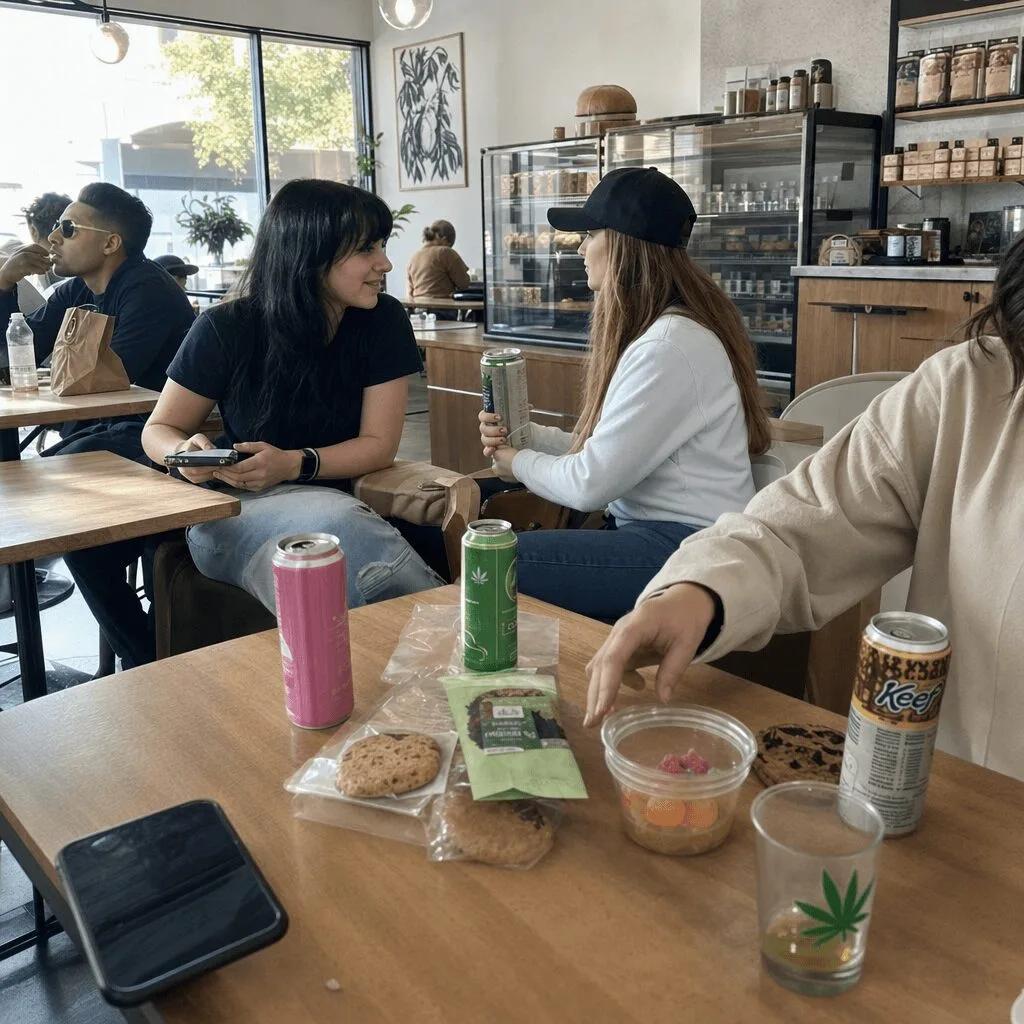
The THC infused food ban is at the center of heated conversations across the cannabis community in 2024. With edibles exploding in popularity—think gummies, cookies, and drinks—it’s not just about what’s tasty, but what’s legal. The latest proposed ban aims to reshape how Americans snack and relax, impacting businesses and everyday consumers alike. If you’ve been wondering what the fuss is about, keep reading for a full breakdown of what the THC infused food ban actually means and where things are headed next.
Understanding the Background of the THC Infused Food Ban
The regulatory scene for THC infused foods has shifted as legalization sweeps the nation. States like Minnesota, Illinois, and Colorado have welcomed cannabis, but the rules over edibles have always been complicated. According to an in-depth Washington Post analysis, regulators often struggle to balance public safety, minors’ access, and adult freedom. As THC infused drinks and snacks pop up in grocery aisles and coffee shops, anxiety has grown about labeling accuracy and accidental consumption. The recent attention on the THC infused food ban follows a nationwide trend, regulators tightening oversight in an industry where state and federal laws often clash. NORML’s legal map shows the patchwork of conflicting state rules over hemp and marijuana-derived food products, fueling ongoing debates over safety and fairness in 1781910376. In some states, evolving regulatory measures are causing confusion for both businesses and consumers, echoing challenges marijuana retailers and farmers are experiencing as seen in recent legislative changes impacting Virginia’s cannabis industry.
Key Developments: What’s Happening with the THC Infused Food Ban
According to Dakota News Now’s June 1781910376 report, the Department of Agriculture proposed strict rules targeting all THC infused food and drink products statewide. The ban would cover popular items like cannabis gummies, chocolates, seltzers, and infused coffees. If passed, this rule requires businesses to halt sales and pull these items off shelves. Officials cite concerns about youth access, accidental ingestion, and lack of standardized potency testing. Local shops and national chains alike face uncertainty, as the rule threatens to reshape the booming edible market. The proposed regulations arrive amid major market growth, industry experts at MJBizDaily report that the American cannabis edible sector is now worth billions. The proposed THC infused food ban has prompted swift backlash from small retailers and consumer advocates, who argue the move will hurt patients and undermine market innovation. Recent cases such as a notable drug bust involving marijuana products highlight enforcement inconsistencies and community concerns over access and regulation. Legislators are now facing public hearings, industry protests, and mounting pressure as summer 1781910376 unfolds.
Expert Insights: What the THC Infused Food Ban Means for Consumers and the Industry
Restricting edibles with a THC infused food ban may seem like straightforward safety, but many industry veterans see it as a case of overcorrection. Dr. Amanda Reiman, a respected advocate and policy researcher at New Cannabis Ventures, recently stated, “Oversight is vital, but removing edibles from regulated shelves just pushes the market underground. Consumers deserve safe options, not confusion.” Most studies find regulated THC edibles are reliably dosed and labeled compared to illicit products (see dosing research on Leafly). Experts warn that outright bans threaten legitimate businesses while doing little to stop unlicensed or black market sales. Many medical cannabis patients rely on edibles for pain relief and therapeutic benefits, a reality that’s often overlooked. For example, ongoing research restrictions continue to hinder innovation in states like Michigan, complicating access for both patients and scientists, as discussed in recent analyses of cannabis research limitations. Rather than blanket bans, experts recommend enhanced age-gating, clearer labeling, and public education to protect vulnerable consumers while supporting a safer, regulated market. The THC infused food ban, critics argue, fails to address the real problems and jeopardizes legitimate industry growth.
The Road Ahead: Optimism Beyond the THC Infused Food Ban
Despite this regulatory turbulence, most industry insiders remain optimistic about the future of edibles. The cannabis sector has weathered shifting laws before and always bounced back stronger. Consumer demand for safe, reliable THC infused food and drink options continues to grow, especially among adults seeking alternatives to alcohol or pharmaceuticals. The pressure is now on lawmakers and regulators to find a path forward that protects the public while not stifling innovation or denying access. As the latest advocacy campaigns at NORML highlight, constructive reform—rather than knee-jerk bans—represents the most likely path to lasting progress. The THC infused food ban controversy signals an industry evolving toward better solutions, not its retreat. Expect more clarity, smarter regulations, and a future where edibles remain a staple in American cannabis culture.
Originally reported by: dakotanewsnow.com

1 Comment
Pingback: DEA marijuana rescheduling challenge: Inside the D.C. Circuit case