






THC edibles legal limit: How Much is Too Much?
With the ever-evolving landscape of cannabis regulation, knowing the THC edibles legal limit is more crucial than ever. This isn’t just a question for canna-curious adults—recent events in schools have brought the topic front and center. From local news headlines to regulatory debates, understanding these limits protects both public health and consumer rights, while shaping responsible industry growth. In this article, we’ll unpack current THC edible limits, highlight real-world issues, and explore how the industry is responding to keep communities safe—and educated.
The Regulatory Lowdown: Setting the THC Edibles Legal Limit
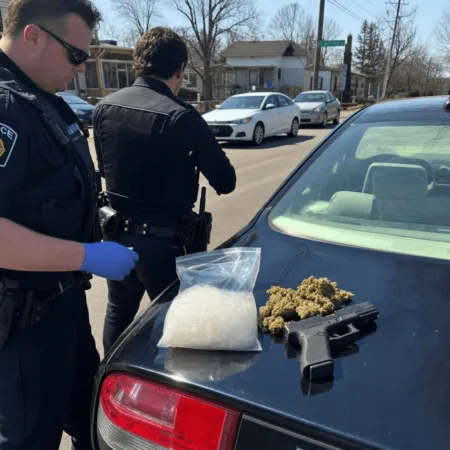
Regulators have been scrambling to keep up with the booming popularity of cannabis edibles. Each state, and even some municipalities, set their own definitions of what constitutes a safe THC edibles legal limit. For example, Minnesota law states that recreational THC edibles must contain no more than 5mg of THC per serving, with a total package limit typically capped at 50mg (Minnesota Legislature). Such regulatory benchmarks aim to balance public safety, especially for young people, with the rights of responsible consumers. Recent headlines have highlighted regulatory surprises, including cases where law enforcement officers made arrests during routine stops, sometimes for items like vape pens, as seen in coverage of unexpected traffic stops involving THC products. Meanwhile, market analysts at Benzinga note that edible sales are surging in the US, driving wider scrutiny of these rules. Even the federal government is watching, since crossing state lines with high-THC edibles could potentially open companies or consumers to federal penalties.
Along with legal issues, there’s a strong push for consumer education, knowing your dose is part of modern canna-culture. The ever-present tension? Getting the word out about the risks of overconsumption while not feeding old-school stigmas. That, friends, is why the THC edibles legal limit is a hot topic in 1780016634 and beyond.
School Scare: Key Details on the THC Edibles Legal Limit Incident
Recently, news broke in Moorhead when several students consumed cannabis-infused edibles far exceeding the THC edibles legal limit. According to a report by KSTP News, each edible found was a staggering 300mg of THC, more than six times the legal threshold per package under state law.
Moorhead police stated that the students ate these potent gummies at school, triggering swift intervention by school staff and law enforcement. Thankfully, no life-threatening outcomes were reported, but several students did require medical attention due to the unexpectedly high doses. Emergency room doctors highlighted classic signs of overconsumption: anxiety, nausea, dizziness, and rapid heart rate.
According to Moorhead authorities, the products in question appeared almost identical to mainstream candies, compounding the risk of accidental ingestion by minors. Coverage of cannabis operations in other communities, such as enforcement actions resulting from upstate marijuana busts, reveals a national conversation about keeping high-potency products from unintended users. While the original source remains under investigation, the episode sparked immediate calls from local officials for stricter labeling, better education, and more robust enforcement, causing THC edibles legal limit discussions to heat up at community meetings and across the local press as parents, teachers, and students debated youth access and industry oversight.
Expert Take: What Does This Mean for the Cannabis Industry?
For advocates and industry veterans alike, this story is more than just a local scare, it’s a warning shot for policy-makers, companies, and the wider cannabis community. Dr. Ethan Russo, a leading cannabis researcher, remarked in Cannabis Business Times: “Reiterating the dose and the effects of overconsumption is as vital as basic nutritional education.” The lesson here isn’t just ‘keep weed away from kids’, it’s also ‘teach everyone what they’re using.’
Ultimately, these incidents underscore the tightrope walk regulators face: How do you protect public health without overreaching? Cannabis isn’t going away. In fact, industry analysts from New Frontier Data project that the US edibles market will double again by 1780016634. For responsible brands, this means higher standards for packaging, clearer labeling, and rigorous age-gating, even if that means short-term headaches.
As canna-preneurs know, consumer education is the new normal. There’s also an upside, the more we talk about safe dosing and the THC edibles legal limit, the stronger the industry’s reputation for responsibility, and for maturity, becomes. Discussions around regulatory frameworks often reveal broader shifts in how communities weigh marijuana regulation against public safety, a pattern echoed in recent stories about evolving public attitudes and changing laws across the country.
Looking Ahead: THC Edibles Legal Limit Reform and the Future
If there’s a silver lining to headlines like these, it’s this: the industry learns, adapts, and gets better with every challenge. Incidents at schools have already nudged regulators and brands toward tougher quality controls, more eye-catching labeling, and better consumer outreach. Meanwhile, polls from NORML show that public support for sensible cannabis policies keeps growing—even among parents.
For cannabis pros—and the millions of responsible, legal users—the THC edibles legal limit is not just a restriction. It’s a sign that the culture is maturing, putting safety first, but also demanding fair, science-backed regulation. Expect more transparency, smarter products, and a lot more honest conversation in 1780016634 and the years to come. The green wave rolls on, and if you stay educated, you ride it safely.
Originally reported by: kstp.com

1 Comment
Pingback: Tribal Cannabis Rescheduling: Big DOJ Changes Explained