





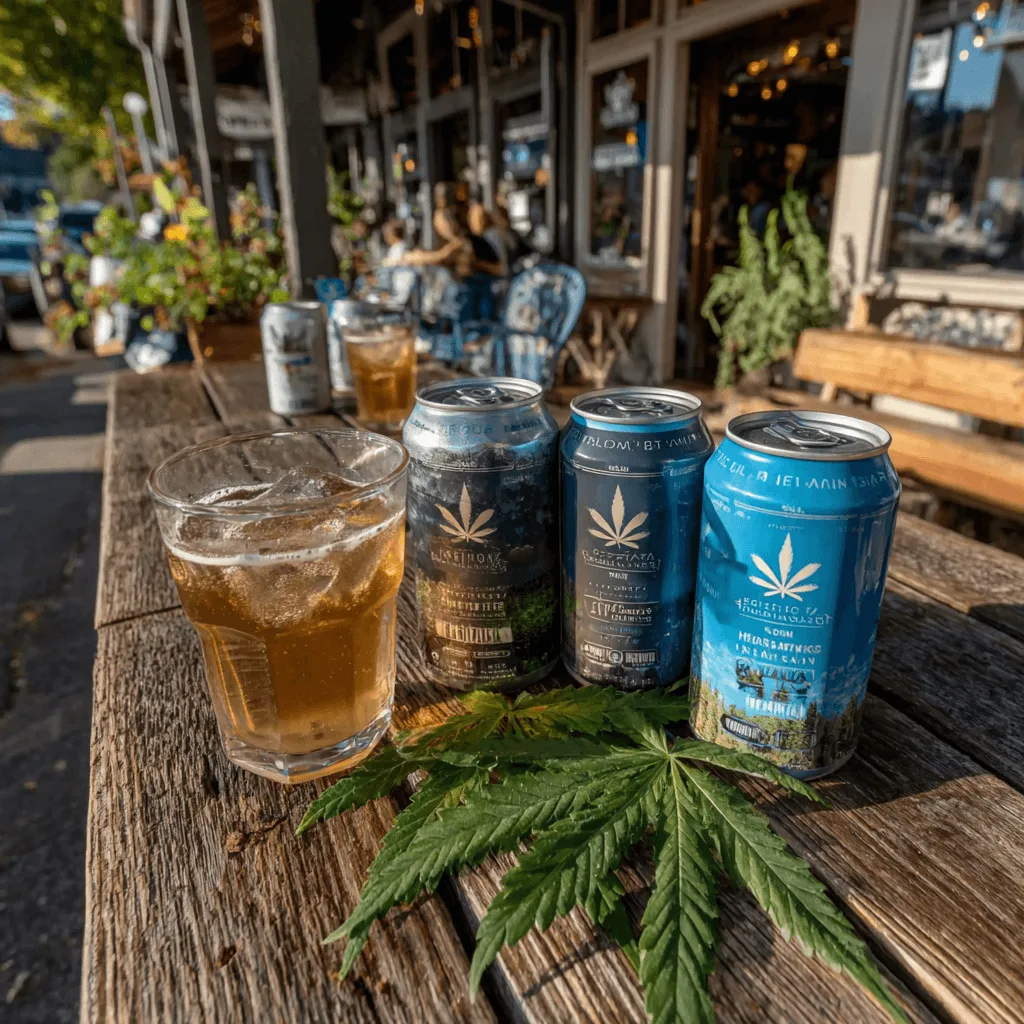
THC Beverage Industry Georgia: Edible Brands Defies Challenges
The THC beverage industry Georgia is bubbling over with excitement—and controversy. Georgia’s scene is witnessing a rush of innovative cannabis-infused drinks popping up in local cafés, while lawmakers scramble to catch up. This state is now a fascinating crossroads, where shifting regulations, booming consumer demand, and bold entrepreneurship all clash. As Edible Brands expands its offerings despite legal pushback, understanding these complex dynamics is crucial for everyone who cares about the future of cannabis beverages and lawful access in the Peach State.
Setting the Stage: Georgia’s Regulatory Landscape
The THC beverage industry in Georgia operates in a unique, and sometimes tricky, legal environment. According to the State of Georgia, hemp-derived THC products are technically legal if they contain less than 0.3% Delta-9 THC by dry weight, riding the fine lines set by the 2018 federal Farm Bill. But let’s be real, local enforcement and state legislatures haven’t finished writing the rulebook. This means brands pushing boundaries often face conflicting signals from regulators and law enforcement. Simultaneously, consumers are showing increasing interest, echoing national surveys, like the Pew Research Center findings that show broadening acceptance of cannabis products across America. In the South, new trends are emerging as hemp-derived edibles redefine how people engage with cannabis, a phenomenon examined in this analysis on how edibles are changing Southern cannabis culture. This friction between law, business, and public support creates an unstable, but dynamic, marketplace for THC beverages in Georgia.
Breaking Down the News: Edible Brands’ Push and Lawmakers’ Response
Let’s dig into the latest shakeup in the THC beverage industry in Georgia. Over the past year, Edible Brands, an Atlanta-based company known for its fruit arrangements, entered the cannabis drink space, betting big on hemp-derived THC bevs. The American Journal-Constitution reported in September 2025 that Edible Brands began expanding its line even as state lawmakers intensified challenges to the entire sector. New proposals in the Georgia legislature aimed to restrict retail sales of THC-infused beverages, citing public health concerns and unregulated access. This echoes broader concerns, such as recent stories of THC exposure lawsuits in community settings. But Edible Brands didn’t back down. The company expanded its products into more Georgia markets and actively engaged in dialogue with lawmakers. This move brought fresh energy to the debate, while also drawing scrutiny from agencies overseeing controlled substances. According to AJC, the company has faced repeated calls for stricter compliance and transparency, yet consumer response shows no sign of slowing.
Expert Analysis: Industry Implications, Hurdles, and What’s Next
The THC beverage industry in Georgia is at an inflection point. Industry insiders note these kinds of legal showdowns have echoed in other states, just look at Minnesota’s recent Delta-9 beverage boom, as covered by the expansion of recreational dispensaries in the Twin Cities. For Georgia, every legislative threat brings both risk and opportunity. Local business consultant Riley Moore told Cannabis Business Times, “When state laws don’t keep up with science or market realities, entrepreneurs have to innovate within the gray areas, that’s where progress happens.” Experts agree, the demand for alternative, low-dose cannabis experiences is real, and stalling progress may just send consumers, and tax revenue, elsewhere. Plus, national reports like those published by MJBizDaily confirm that beverage segments are among the fastest-growing in cannabis, suggesting this fight is just heating up. The bottom line? As long as consumers are thirsty for innovation, the THC beverage industry in Georgia will keep evolving, setbacks or not.
Looking Forward: Why Georgia’s Cannabis Beverage Scene Matters
The future for the THC beverage industry Georgia looks dynamic—and promising. Even as regulations tighten and debates continue inside the Gold Dome, public opinion and consumer demand remain on the side of accessible, innovative beverages. With responsible business practices and persistent advocacy, industry players can help shape fairer regulations. As NORML and other advocacy groups point out, social acceptance of cannabis products in the South is steadily rising. Georgia’s current drama isn’t just about one company—it’s a sign of bigger, nationwide change. As brands and lawmakers learn to collaborate, Georgia’s cannabis beverage landscape could set the stage for other states. So, stay tuned: the next phase of the THC beverage industry Georgia might just turn a few more heads—and quench a lot more curiosity.
Originally reported by: ajc.com


2 Comments
Pingback: Aurora Cannabis Germany Upgrade: Inside the Game-Changing Move
Pingback: Top Marijuana Dispensary Concerns You Need to Know