Twin Cities Recreational Cannabis: Dispensaries Are Open!
If you’ve ever dreamed of casually strolling into a legal shop and picking out fresh cannabis in Minneapolis or St. Paul, your moment has come. The arrival of Twin Cities recreational cannabis isn’t just about flipping the sign from “medical only” to “open for all.” It marks a seismic cultural and policy shift, as local news reports confirm the region’s first dispensaries are now serving adult-use customers. Industry experts, regular folks, and longtime advocates all sense the buzz—literally and figuratively. This is more than a new retail trend; it’s the start of broader economic, social, and wellness opportunities across the Twin Cities.
The Road to Twin Cities Recreational Cannabis: Legal, Regulatory & Social Context
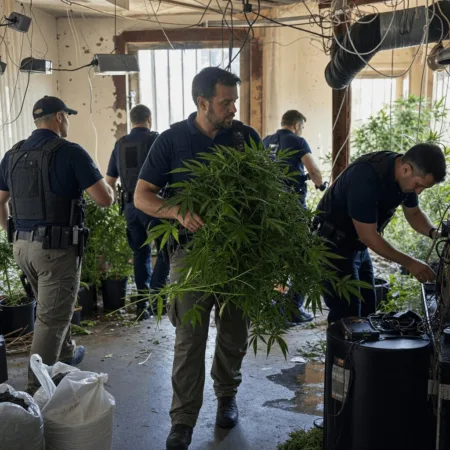
The transformation to legal Twin Cities recreational cannabis didn’t happen overnight. Minnesota’s road to full legalization has been anything but boring, shaped by robust debate, persistent activism, and evolving medical laws. In May 2023, Minnesota officially joined the rapidly growing list of states legalizing adult-use cannabis after Governor Tim Walz signed landmark legislation (Source: Star Tribune). State lawmakers framed legalization as both a justice reform and economic incentive, aiming to expunge low-level cannabis convictions while opening the doors for local entrepreneurs. Notably, issues such as local marijuana arrests and their ripple effects—much like the recent Prairieville Smoke Shop marijuana arrest shaking up a similar local cannabis scene—served as important catalysts for regulatory change.
At the heart of this movement is equitable business access: Minnesota’s cannabis rules were shaped to favor local applicants, support micro-businesses, prioritize communities most impacted by the War on Drugs, and encourage socially responsible retail practices. According to MPR News, Twin Cities officials faced early pushback from some communities but ultimately found widespread support across Minneapolis and St. Paul. Socially, the normalization of cannabis reflects shifting attitudes, and, as a 2023 Pew Research poll showed, some 88% of Americans support at least medical cannabis and over 59% back full recreational access. The upshot? The Twin Cities aren’t just joining the party, they’re helping set the tone for what ethical, people-first legalization can look like.
What’s New? Key Developments & Issues Shaping Twin Cities Recreational Cannabis
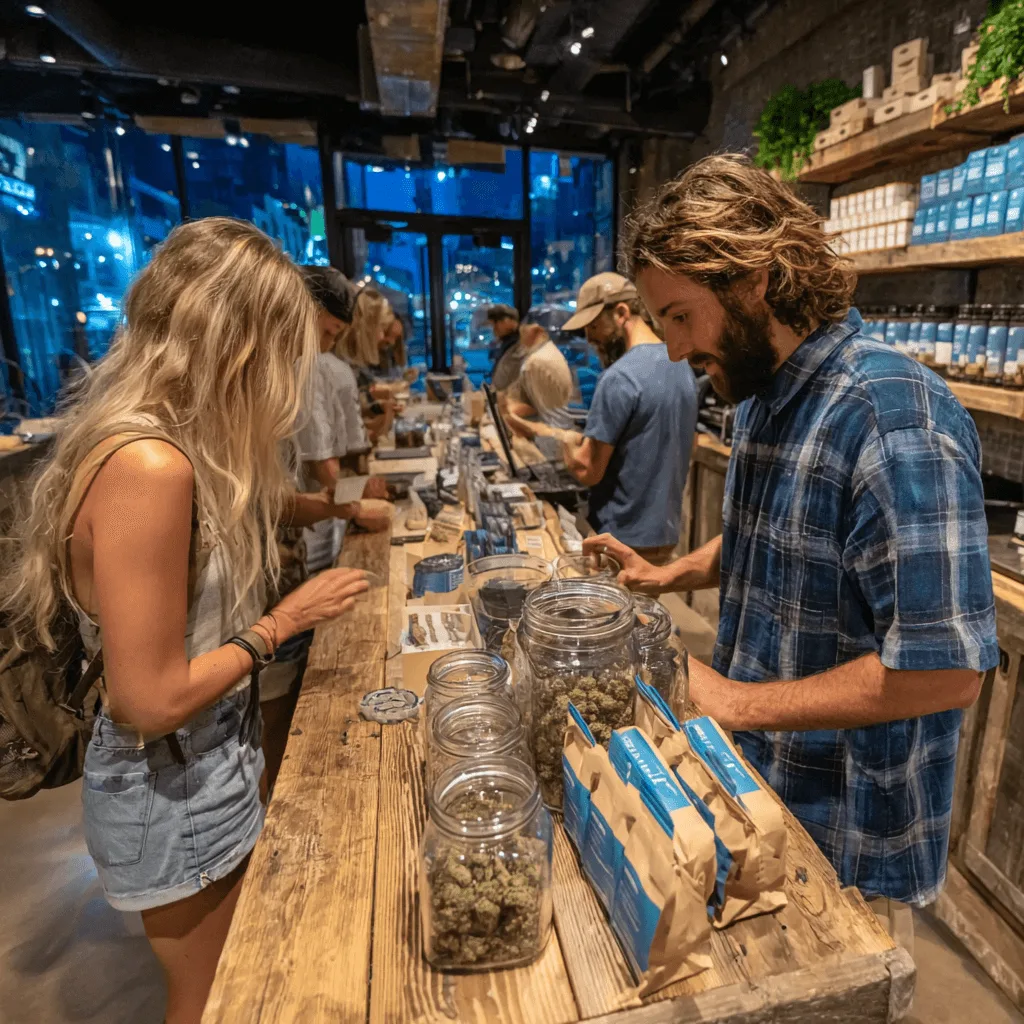
The star news drop: recreational cannabis is now officially sold in Twin Cities dispensaries, with the first retail shops opening their doors at the beginning of June 2024, according to CBS News Minnesota. One trailblazer, Green Lotus, became the very first fully-licensed dispensary to sell recreational cannabis in Minneapolis, quickly followed by North Star Herbals and a handful of others around the metro.
The new law allows adults 21 and older to purchase flower, concentrates, edibles, and pre-rolls for personal use. Major details, like tax structure, local zoning, and retail hours, were ironed out in close collaboration with city councils and advocacy groups. Minnesota’s Office of Cannabis Management (OCM) coordinates licensing, compliance, and consumer safety standards. For visitors from nearby states inspired by regional trends, it’s impossible to overlook the buzzing Midwest scene, such as the lively cannabis tourism lounges reshaping social life in Missouri.
Despite the euphoria, rollouts have featured a few speed bumps. Supply chain hiccups, regulatory paperwork, and tight security guidelines slowed some store openings. Still, as of mid-June, over a dozen Twin Cities dispensaries are licensed, compliant, and bustling with new business. The local impact? Customers are lining up, budtenders are fielding first-timer questions, and business owners, many from neighborhoods long denied these opportunities, are finally getting their piece of the legal pie.
Expert Analysis & Insights: Twin Cities Recreational Cannabis Goes Mainstream
It’s not an exaggeration, 2024 will be remembered as the year Twin Cities recreational cannabis became embedded in everyday urban life. Industry veterans are quick to note the thoughtful local rollout. “Minnesota’s efforts to prioritize social equity and small business in cannabis licensing set an important precedent for the rest of the Midwest,” says Amanda Reiman, a respected policy expert cited in Leafly News. She points out the unique focus on repairing past drug-war harms and letting neighborhood entrepreneurs lead the charge. These efforts echo broader changes across the Midwest, where record-breaking surges such as the August boom in Missouri cannabis sales illustrate how legalization can energize local economies.
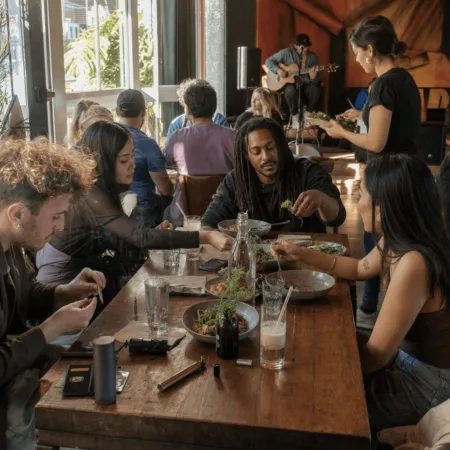
From an economic angle, early reports from Hemp Grower Magazine suggest the Twin Cities could see hundreds of new full-time cannabis jobs, millions in additional tax revenue, and a powerful boost for local agriculture and crafts. On the street level, the opening days have felt part farmer’s market, part wellness expo, with folks of all backgrounds asking thoughtful questions, sampling legal flower, and connecting with local growers.
Culturally, this is even more significant. Many long-time consumers kept things quiet for years due to stigma or risk. Now, with Twin Cities recreational cannabis widely available, there’s relief, curiosity, and even a bit of pride in the community’s progressive spirit. The sense of normalization and safety, especially with well-trained budtenders and high-transparent labeling, shifts the entire conversation from prohibition to positive engagement.
Looking Forward: The Future of Twin Cities Recreational Cannabis
Standing at this crossroads, it’s hard not to feel optimistic about Twin Cities recreational cannabis—and the broader industry in Minnesota. Cities that embrace well-regulated cannabis see lower criminal justice spending, healthier retail environments, and greater economic resilience, as reported by Marijuana Moment. Social benefits are increasingly evident: fewer low-level arrests, new medical research, and fuller participation from diverse communities.
Yes, challenges persist—from supply chain strikes to continued federal illegality. But the trajectory is clear. Next up are more microbusiness licenses, equity investments, and cultural acceptance. The Twin Cities’ focus on community wellness, expungement, and diversity offers a model for other states considering their own moves. Ultimately, as cannabis becomes part of daily life, conversations shift from “Why legalize?” to “How can legalization serve everyone?” For Twin Cities recreational cannabis, the green light is on—and the journey is just beginning.
Originally reported by: cbsnews.com