Texas smokable THC ban: What’s really behind the controversy?
The Texas smokable THC ban is grabbing headlines and stirring up major debate among consumers and industry insiders. With shifting cannabis laws nationwide and changing attitudes in the Lone Star State, this ban lands right at the center of a new fight over personal freedom, business survival, and regulatory logic. This article breaks down the real story behind Texas’s controversial approach to smokable hemp and THC, the legal skirmishes it sparked, and what it could mean for your average Texan who just wants to roll one up without jumping through legal hoops.
The Roots: Legal, Regulatory, and Social Dynamics Shaping Texas’s Cannabis Scene
Let’s set the stage. Since the federal 2018 Farm Bill legalized hemp with less than 0.3% Delta-9 THC, states have scrambled to clarify what’s actually allowed. Marijuana Moment reports that Texas was quick to cash in, opening the door to hemp-derived products, but regulators drew the line at anything you could roll, light, or inhale (read: smokable flower). Social attitudes are also evolving, as studies by Pew Research now show most Texans favor broader cannabis reform. Meanwhile, Texas’s influential law enforcement lobby and some public health officials frame smokable THC as a riskier, youth-targeted product. The evolving views on youth and cannabis echo recent developments in states where parental warnings about cannabis arrests, as seen in this in-depth look at teen cannabis busts, continue to fuel community discussions. The scene is tense, a crossroad between tradition-bound politics and a rapidly growing legal industry hungry for change and clarity.
The Flashpoint: Legal Battles, Key Dates, and Industry Fallout
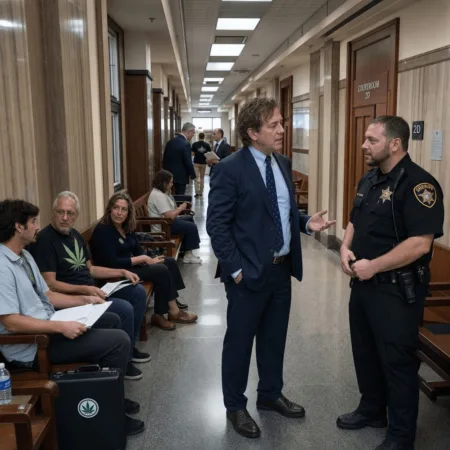
The Texas smokable THC ban, officially adopted by the Texas Department of State Health Services (DSHS), carved out a strange paradox: businesses could grow or process smokable hemp, but selling it to consumers was forbidden. According to an Austin American-Statesman editorial, this rule hit retailers like Hometown Hero and other local hemp stores hard. The contradiction was challenged in court by hemp business owners. In August 2021, a state district judge sided with the industry, ruling the ban unconstitutional. The state then appealed, bouncing the case all the way to the Texas Supreme Court, prolonging confusion for both businesses and customers. These kinds of legal challenges mirror other dramatic cannabis-related incidents across state lines—such as a dramatic marijuana bust in Brownsville, Texas—showing how cannabis laws continue to shake up ordinary lives. As of late 2023, legal uncertainty remains while Texas authorities maintain the retail ban, but not without fierce pushback.
Deeper Insight: Why the Texas Smokable THC Ban Matters for Texas and Beyond
So, why does Texas’s smokable THC ban draw such sharp lines? From an expert standpoint, it’s a textbook case of regulatory whiplash. Paul Armentano, deputy director of NORML, tells Leafly, “The ban accomplishes little beyond driving business out of state and into grey markets, while failing to advance public health.” The state’s stance contrasts sharply with market realities, as consumer demand for smokable products—hemp pre-rolls, CBD flower, and full-spectrum goods—continues to rise nationally, according to NCSL analysts. For perspective on how regulatory contradictions and enforcement can spark wider debates and responses in the cannabis community, it’s worth looking at how events like an armed robbery in a central business district affect perceptions and policy talk. The confusion stifles responsible Texas businesses, while questionable legal logic prompts everyday Texans to order online or travel out of state, demanding a less contradictory policy.
Looking Forward: Hope for Change in Texas Cannabis Law
While the Texas smokable THC ban has caused headaches, the cannabis industry’s inexorable momentum isn’t likely to slow down. With more states modernizing marijuana and hemp laws, industry experts and organizations like Cannabis Business Times predict Texas will eventually have to reconcile consumer demand with common-sense rules. Acceptance grows every year, new legal challenges keep the issue alive, and voters keep the pressure on. Whether you’re a patient, consumer, entrepreneur, or backyard enthusiast, positive reform seems less an if and more a when. For the Texas market and millions invested in legal cannabis, the future holds more legal clarity—and maybe, just maybe, a relaxing smoke legalized under the big blue Texas sky.
Originally reported by: statesman.com