





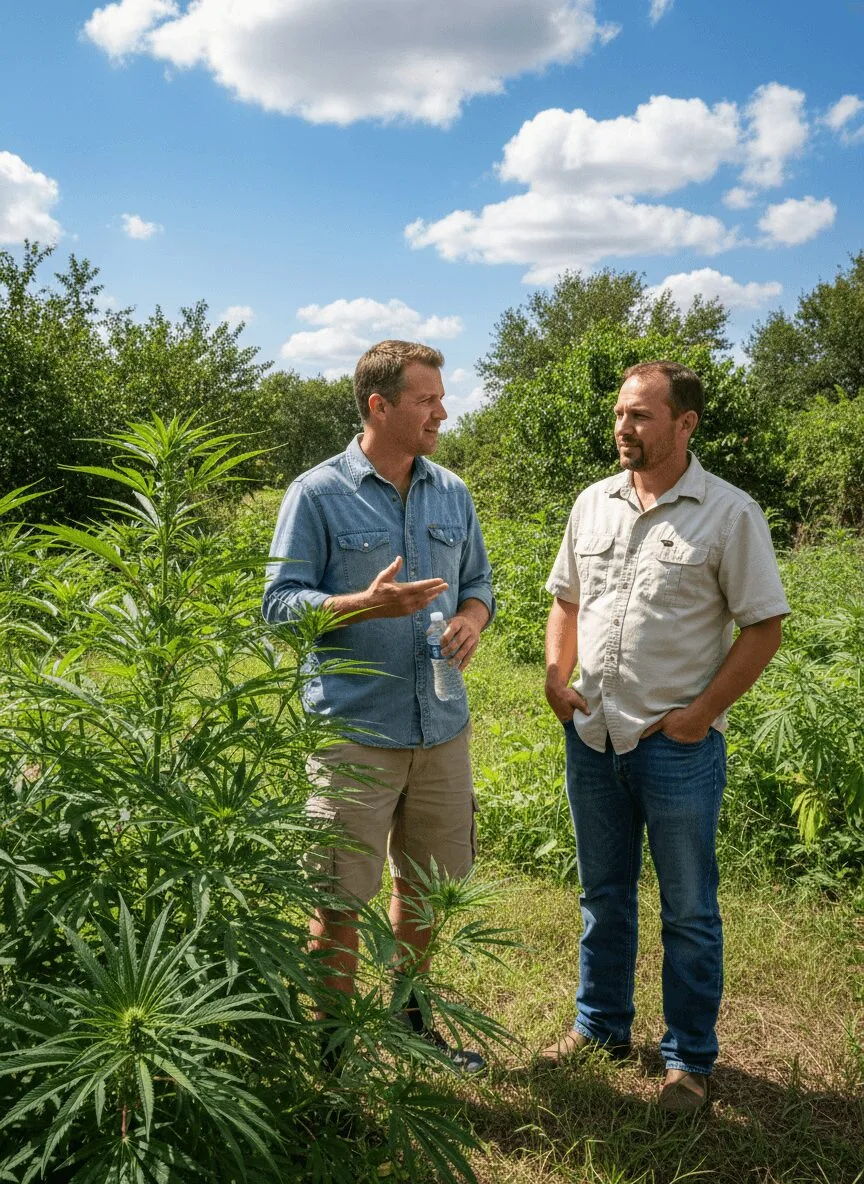
Texas medical marijuana program: Key Updates & Access Guide
The Texas medical marijuana program is making headlines again as legislators and advocates push for expanded access, improved regulations, and a clearer path for patients. As legal cannabis programs diversify across the U.S., Texas is under the spotlight—balancing its tough regulatory legacy with evolving attitudes and high public interest in alternative medicine. This guide breaks down what you need to know about these new developments, why the Texas medical marijuana program matters right now, and how expanding access could reshape the state’s future.
The Context: How Texas Reached This Pivotal Moment
Texas has traditionally been among the more conservative states when it comes to cannabis laws. The state’s official government resources highlight a narrow Compassionate Use Program set out in 2015, which allowed low-THC cannabis oil only for intractable epilepsy. As medical research and shifting public attitudes gained national momentum, Texas saw growing demands from patient advocacy groups and medical professionals. In recent years, following national trends reported by Pew Research Center, Texan voters began voicing strong support for medical cannabis expansion, and these trends mirror actions in other states, such as the recent surge in Michigan marijuana sales and their market evolution, citing medical necessity, personal freedom, and fiscal benefits for the state economy. While some lawmakers still tread carefully due to federal legal conflicts, an unmistakable cultural shift is redefining what access to the Texas medical marijuana program can and should look like for countless residents.
Key Developments: Major Moves and Ongoing Questions
The 2026 legislative session brought a slate of amendments to the Texas medical marijuana program, thrusting Texas into the national spotlight. According to a detailed report from The Dallas Morning News, the expanded initiative now includes chronic pain as a qualifying condition, a move that resonates with research around cannabis and chronic pain relief recently discussed nationwide, and it is far broader than the previous restriction to just epilepsy and limited neurological disorders. Key changes include streamlined physician certification, digital patient registry updates, and stricter oversight of dispensary operations. Texas Original Compassionate Cultivation (TOCC), the state’s flagship dispensary, experienced surges in demand as a direct result of these reforms, doubling patient registration numbers in Q1 2026 alone. Legal analysts note that while dispensaries are still few and far between, new licenses are set to be issued, with the Texas Department of Public Safety (DPS) predicting at least a 30% increase in licensed retailers by year’s end. Meanwhile, patient advocates continue to push for expanded product formats and higher THC caps, signaling further changes on the horizon as legislators across the country debate related regulation, such as youth access issues in other markets as well.
Expert Insights: What This Means for Texas and Beyond
The Texas medical marijuana program’s expansion is being hailed as a “major step forward” by industry insiders and patient rights groups. Dr. Olivia Meyer, a board-certified neurologist and vocal advocate for safe access, told Leafly News, “This is a game changer for thousands of people living in chronic pain who had previously run out of options.” The trends align with what we’ve seen in states like Oklahoma and Florida, where expanded access led to measurable improvements in public health markers and a reduction in black-market activity (NORML reports). These changes are drawing attention nationwide as national cannabis reform conversations evolve, as highlighted in a recent analysis of federal marijuana rescheduling concerns. While some skeptics worry about regulatory loopholes or misuse, the state’s phased rollout and built-in safeguards echo best practices seen nationwide. On the ground, Texas dispensaries are hiring more staff, investing in compliance systems, and stepping up community education campaigns to ensure the Texas medical marijuana program delivers on both safety and accessibility.
Looking Forward: Hope, Progress, and The Future of Texas Cannabis
As 2026 sets new records for enrollment and public interest, optimism runs high. The Texas medical marijuana program is at a crossroads—poised to deliver relief for tens of thousands and fuel further market innovation. Trusted outlets like Marijuana Moment anticipate more progressive reforms as early results show program expansion is helping patients, reducing arrests for minor possession, and channeling budget dollars into public health. With each legislative session, societal stigma fades a little more, and the notion of cannabis as compassionate care becomes the new mainstream. If Texas keeps this momentum, the Lone Star State could set a surprising example—combining southern grit with cutting-edge medical policies—for the rest of the country.
Originally reported by: dallasnews.com



3 Comments
Pingback: Cincinnati high-end marijuana dispensary debuts on West Side
Pingback: Dark Money Marijuana Ban: Unmasking the True Backers
Pingback: Marijuana Petition Fraud Investigation: Shocking New Developments