





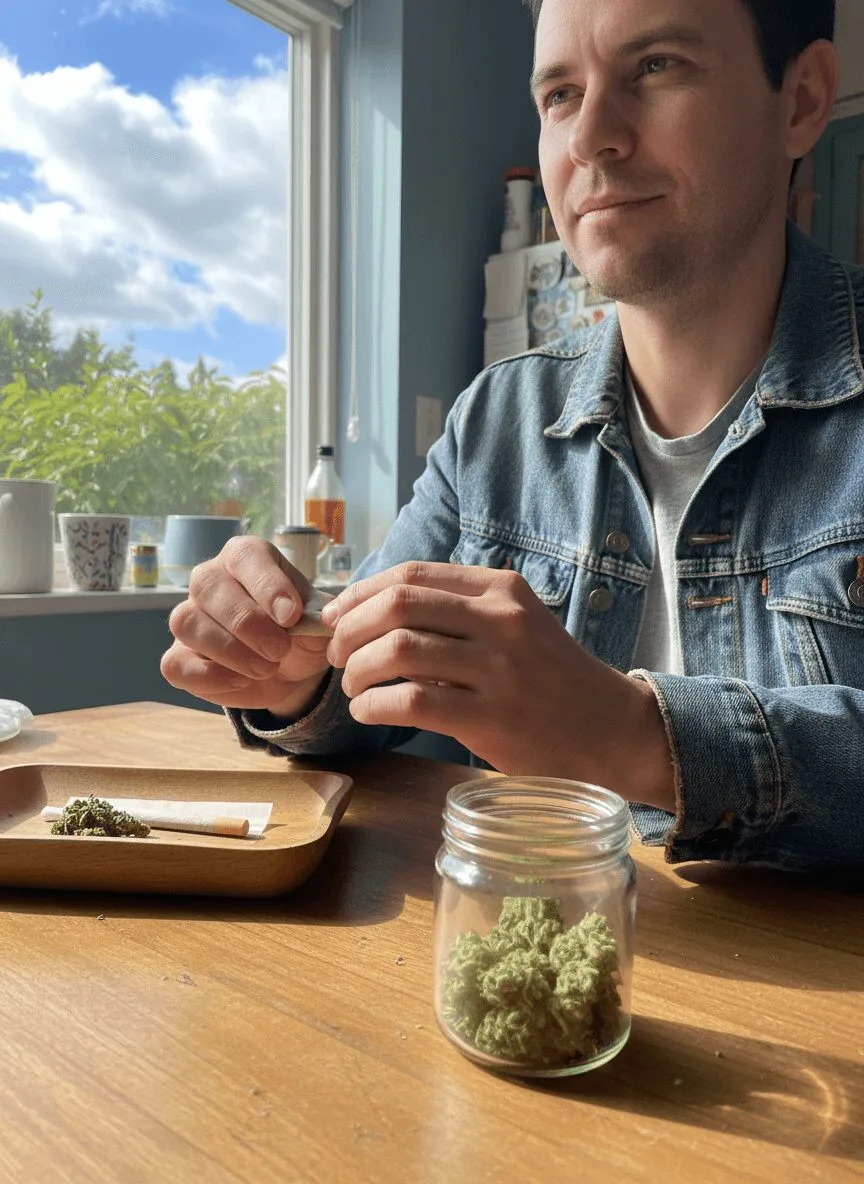
Cannabis Chronic Pain Relief: Discover If It Really Works
With more people than ever searching for alternative ways to manage ongoing aches, cannabis chronic pain relief is front and center in cultural conversations. From new research studies to evolving regulations, this topic keeps making headlines and sparking debates among doctors, lawmakers, and—most importantly—patients. Today we break down the latest science, legal updates, and what it means if you or someone you love is considering cannabis chronic pain relief.
Background: Changing Laws and Attitudes on Cannabis Chronic Pain Relief
The path to acceptance for cannabis chronic pain relief hasn’t always been smooth. For decades, strict federal restrictions limited both research and availability, leading to confusion and stigma. Fast-forward to today: now, 37 U.S. states have medical cannabis laws. Major health bodies, such as the CDC and the NIH, have begun acknowledging cannabis’s possible therapeutic applications. Social perceptions have changed, too: a majority of Americans now support medical access. The evolving regulatory scene has sparked important debates, like how shifts in federal enforcement and potential rescheduling could change cannabis law reform efforts, a topic explored in recent analysis. Still, cannabis sits federally as a Schedule I substance, making clinical trials and consistent product regulation tricky territory. As the green wave rises, patients and policymakers alike are demanding solid, science-backed answers about cannabis chronic pain relief.
Core Developments: What Recent Science Says About Cannabis Chronic Pain Relief
Let’s get down to what the research actually reveals. According to a summary article from Harvard Health Publishing, several review studies have found that cannabis may offer modest relief from chronic pain, especially neuropathic pain, such as sciatica, fibromyalgia, or post-surgery nerve pain. The 2017 National Academies report, which analyzed dozens of studies, found substantial evidence for the effectiveness of cannabis in chronic pain management.
However, it’s not all sunshine and Cheech & Chong vibes. Some clinical trials note only a slight benefit over placebo, and the U.S. Food and Drug Administration (FDA) still hasn’t approved whole-plant cannabis for pain—only isolated compounds like CBD in rare seizure disorders (FDA sources). Still, in legalized states such as Illinois, dispensaries report high demand and positive consumer feedback for pain-focused cannabis products, including increased attention to higher-quality pharmacy models designed to set new standards for relief and safety (Chicago Tribune coverage).
- Key date: In 2023, new guidelines from the American Academy of Pain Medicine acknowledged cannabis as a consideration for people not responding to standard treatments.
- Regulatory detail: Patients must still navigate patchworks of state laws, with varying lists of qualifying conditions and physician oversight, something that continues to drive local activism and regulatory proposals, highlighted by recent stories such as emerging bills affecting patient rights in Oklahoma.
So, does cannabis chronic pain relief actually work? Evidence points to “sometimes yes, for some people.” But specifics matter.
Expert Insight: What the Pros and Cannabis Community Want You to Know
Digging deeper, expert commentary reveals a mix of excitement and healthy skepticism around cannabis chronic pain relief. Dr. Kevin Hill, assistant professor at Harvard Medical School, notes, “For some patients, cannabis can be a helpful addition to a pain care plan, especially if they haven’t found relief elsewhere” (Harvard Health Publishing). Still, he warns against viewing cannabis as a cure-all, emphasizing the need for standardized dosing and further large-scale studies.
From the cannabis advocacy perspective, groups like NORML and the Multidisciplinary Association for Psychedelic Studies (MAPS) actively champion safe, research-driven access for patients—arguing that outdated stigma should never stand between people and proven relief. They also highlight the opioid-sparing potential of medical cannabis, citing evidence that chronic pain patients may reduce or even replace opioid medications when cannabis is added to their regimen. The broader impact on cannabis culture and industry growth is also evident, with market shifts and new investments, such as urban acquisitions contributing to patient advocacy and the industry landscape as discussed in recent reports on industry expansion. That’s not just a win for comfort, it’s a move that could help curb the opioid epidemic, according to recent studies.
What Comes Next? The Future of Cannabis Chronic Pain Relief
The outlook for cannabis chronic pain relief is bright and evolving. As mainstream medicine increasingly explores cannabinoids, and as public support continues to climb, stronger research, clearer regulations, and better education are on the horizon. Plus, with federal reform bills circulating in Congress (Congress.gov), industry insiders expect more accessibility, innovation, and—most importantly—greater patient empowerment. While not a magic bullet, cannabis chronic pain relief stands to become a standard option in the pain management toolbox, especially as science and stories from real people keep fueling the movement. Safe access, solid guidance, and continued research will put pain relief—and maybe even a little joy—within easier reach for many.
Originally reported by: health.harvard.edu


1 Comment
Pingback: Virginia adult-use cannabis law: What’s new in 2024?