




Texas hemp industry regulations: What you must know now
You can practically feel the buzz across the Lone Star State—hemp advocates, industry players, and regulators are deep in a whirlwind, thanks to the latest Texas hemp industry regulations. With new rules shaking up the field and debates still heating up, staying informed is absolutely crucial right now. The landscape impacts farmers, wellness brands, and everyday Texans alike. In this article, I’ll break down the fresh regulatory moves, explain why they matter, and offer real talk about what’s next for Texas’s fast-evolving hemp scene.
Understanding the Current State of Texas Hemp Industry Regulations
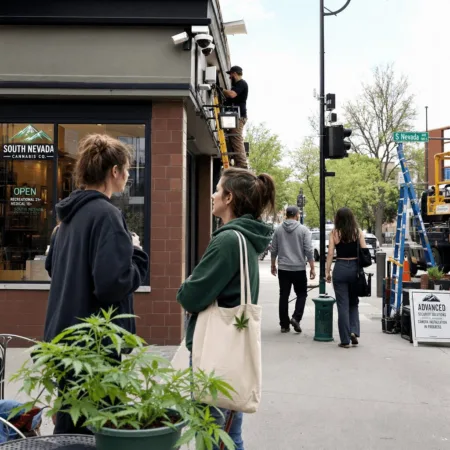
Let’s rewind a bit. Texas hemp industry regulations have been evolving rapidly since Congress legalized industrial hemp federally under the 2018 Farm Bill, allowing states to create their own frameworks. Texas followed suit in 2019, but implementation has been anything but smooth. The Texas Department of State Health Services and the Texas Alcoholic Beverage Commission (TABC) have taken the regulatory wheel, each adding their own flavor to oversight. On one hand, the Department of State Health Services sets limits on consumable hemp, while the TABC looks at retail licensing and enforcement. Social attitudes in Texas are shifting, too, and in many ways, the debate feels similar to ongoing concerns raised by communities near marijuana dispensaries in other states, as residents weigh both economic opportunities and neighborhood impacts. This melting pot of regulations, agencies, and social fears keeps Texas hemp industry regulations in a constant tug-of-war, especially as market demand for CBD, Delta-8, and smokable hemp products keeps rising. If you’re looking for certainty, let’s just say things are moving faster than a West Texas thunderstorm!
Key Developments & Issues: Legal Battles and Regulatory Shake-Ups
According to KSAT News, the Texas Alcoholic Beverage Commission (TABC) just finalized a raft of rules affecting licensing, labeling, and sale of hemp-derived products, from edibles to beverages and beyond. These changes, implemented in January 2026, reflect months of fiery public comment and industry feedback. They clarify definitions for ‘consumable hemp products’ and cement restrictions on Delta-8 and other cannabinoids often caught in legal limbo. Key players like Texas Original Compassionate Cultivation and growers’ associations weighed in, stressing the need for clear pathways for farmers and product manufacturers. These evolving rules are not unlike how shifting medical marijuana regulations can have ripple effects for patients and providers in other regions. Legal confusion has led to court challenges in recent years, especially with smokable hemp and Delta-8 extracts. As The Texas Tribune detailed, state regulators have at times tried to enforce stricter bans, only for courts to push pause while the industry challenges state overreach. These regulatory adjustments come at a time when CBD retail is booming, but uncertainty on what you can, and can’t, sell leaves small businesses scrambling. Even as new Texas hemp industry regulations roll out, debate is definitely not done, with advocates warning more legal skirmishes may be ahead.
Expert Analysis & Real-World Insights from the Heart of Texas
What does all this mean for Texans on the ground? Let’s get real, the rules are changing quickly, and it’s not just paperwork. Texas hemp industry regulations directly impact product innovation, investment, and access for consumers seeking plant-based wellness. According to Hemp Grower Magazine, regulatory uncertainty is “causing some operators to hesitate entering the market,” but also fueling creativity among compliant businesses. “We’ve had to pivot fast, labeling, sourcing, and even our storefront displays can change overnight with new state guidance,” explains Emily Fisher, co-founder of a major Austin CBD retailer (as cited in Hemp Grower). Socially, most Texans now support access to hemp health goods, but lawmakers remain split, especially as Delta-8 and Delta-9 loopholes spark headlines, a situation that echoes broader national controversy as seen in examples of how cannabis use intersects with rights and legal frameworks like those around the Second Amendment. The new TABC rules do offer some clarity, but the enforcement puzzle remains. As NORML summarizes, Texas cannabis laws remain “patchwork at best” and require ongoing vigilance by advocates and businesses alike.
The Road Ahead: Opportunity, Advocacy, and Texas Hemp’s Bright Future
Despite legal hurdles and ongoing debates, Texas hemp industry regulations continue to evolve in the direction of broader acceptance and smarter oversight. The latest rules are a checkpoint—not the finish line. For Texas growers, entrepreneurs, and wellness-minded consumers, the future remains hopeful. Greater regulatory clarity could attract investment and spur further innovation in products and farming techniques. Social acceptance is rising, and as recently noted by Forbes Business Council, states with updated hemp laws are seeing job growth and community benefits. Advocacy remains crucial: the voices of industry pros and consumers pushing for fair, science-driven policies will shape what comes next. Texas hemp industry regulations may keep changing, but the Lone Star State’s hemp future looks greener than ever—and together, we’ll make sure it stays that way.
Originally reported by: ksat.com