





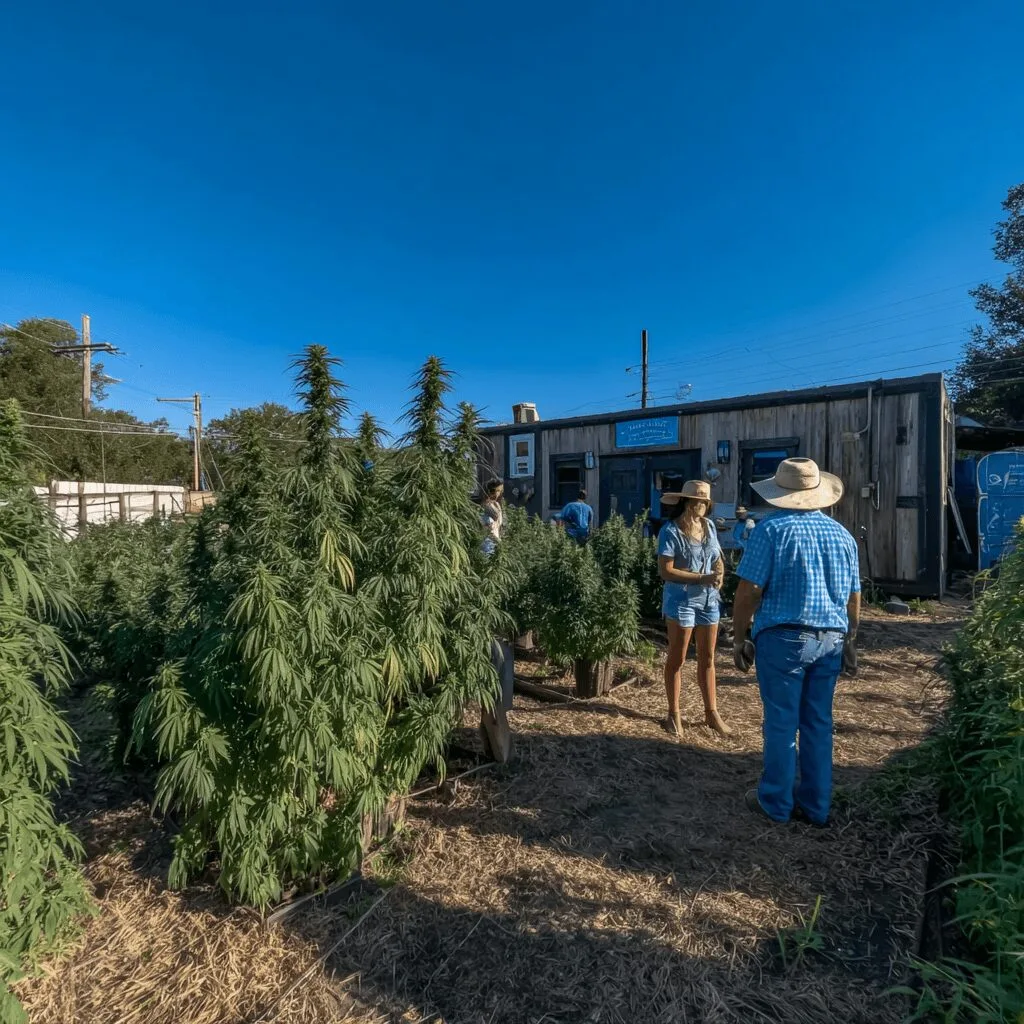
Texas hemp industry regulations: What new fees mean for you
The Texas hemp industry is facing big changes, thanks to a new wave of regulatory fees and oversight. For anyone tuned in to Texas hemp industry regulations, this news couldn’t come at a busier moment. Hemp businesses statewide have already weathered changing legal tides, shifting federal policies, and evolving market demand. Now, as lawmakers tighten rules, local growers and processors need the latest insights to stay compliant—and competitive. If you work in the Texas hemp sector, or just care about how rules shape access and costs, buckle up: we’ll break down what these regulations mean, who’s impacted, and what comes next, all with plenty of real talk and inside baseball.
Understanding Texas Hemp Industry Regulations: The Background
If you’ve followed the Texas Tribune’s coverage of hemp laws, you know this scene has been in constant flux since Texas legalized hemp in 2019. Legalization opened the door for thousands of growers and small businesses, but regulation didn’t exactly make it the Wild West forever. As the market matured, state regulators, namely the Texas Department of Agriculture (TDA) and the Department of State Health Services (DSHS), began imposing new rules to address quality, safety, and compliance issues. These changes reflect not just state politics, but also federal hemp oversight. National agencies, like the FDA, influence labeling and product claims, while USDA regulations set standards for THC testing and licensing. As Texas tries to build a responsible, stable industry, debates about consumer safety, cannabis stigma, and economic opportunity have come to a head. Meanwhile, the national hemp market continues to shift, with Hemp Grower reporting over $824 million in 2022 sales. These discussions echo broader national debates as grassroots movements in states like Idaho push back against strict marijuana opposition, highlighting how decisions in one state impact the rest—Idaho lawmakers’ resistance is a recent example of how regulatory landscapes evolve across the country. The ongoing need to keep Texas competitive, but also compliant, underpins today’s push for updated Texas hemp industry regulations.
Key Developments: What’s New with Texas Hemp Industry Regulations?
The big headline: Texas regulators are introducing significant new licensing and operational fees for hemp-related businesses across the state, according to KVUE’s recent reporting. Starting this year, growers and processors must pay state-mandated fees, some rising as high as $1,000 per year, and renew licenses annually. For perspective, previous fees sat closer to $100—that’s a tenfold hike. The new structure comes from revisions by the Texas Department of Agriculture. The push is driven by growing state concerns over quality assurance, reported product mislabeling, and continued gray-market concerns around delta-8 and other cannabis derivatives. Producers now face more spot inspections and mandatory batch testing, overseen by a beefed-up state enforcement team. Meanwhile, the Department of State Health Services continues to ban smokable hemp sales, a fight that’s sparked costly litigation (see Marijuana Moment’s recent legal analysis). Similar fee hikes and regulatory debates have unfolded in other sectors, as seen with recent discussions on Kentucky’s THC beverage laws, reinforcing the fact that state-by-state cannabis regulations are tightening nationwide. Industry stakeholders, such as Texas Hemp Growers and various small business leaders, have voiced major worries. “These new costs could force out craft growers and open the door for only well-funded players.” News about the fee spike first hit in May 2024. Since then, dozens of Texas business owners have reported reviewing their operation costs, with some even considering leaving the hemp business altogether.
Expert Analysis & Real-World Impact
With the high fees and enforcement push, what’s the real effect on folks in the trenches? Well, the regulatory hammer comes at a time when Texas is still finding its footing in the broader cannabis industry. Some see these Texas hemp industry regulations as a necessary evil, a means to weed out bad actors and protect consumers from unsafe products or unclear labeling. Others see another government money-grab. But here’s the deal, straight from the grassroots: excessive fees risk choking out the ‘little guys’ who built hemp in Texas from the ground up. In an interview with the Texas Observer, a longtime advocate and founder of a family-run grow-op shared: “It’s not just paper-pushing—these regulations will decide who’s left standing in three years.” The main worry is whether this will tilt the playing field toward big operators with more resources, locking out diverse, local, or minority-owned businesses. National experts agree that balanced regulation is key. As Hemp Benchmarks reports, similar regulatory crackdowns have sometimes stabilized shaky markets, but they can also stifle innovation and slow job growth if mishandled. Many see parallels with other state-level marijuana crackdowns, such as the recent THC vape sales restrictions in Montgomery County, where enforcement efforts altered local business dynamics. In the end, a well-regulated marketplace keeps the industry legit, but it’s up to state leaders to make sure the cost of entry doesn’t shut too many doors. The Texas hemp industry regulations story isn’t about rules alone—it’s about real livelihoods.
Looking Ahead: The Future of Texas Hemp Industry Regulations
Despite the growing pains, plenty of Texas hemp advocates believe this shakeup could spark smarter, more inclusive regulation over time. The state’s hemp scene has weathered everything from shifting federal law to COVID-induced supply chain chaos. If lawmakers and enforcement agencies listen to both business owners and consumer advocates, these Texas hemp industry regulations could eventually foster a fairer, more robust marketplace. New conversations are already happening, with calls to adjust fee schedules for small farms and offer compliance support instead of just fines. As noted by the Hemp Industries Association, states pioneering balanced, transparent rules tend to attract better investment and innovation. So keep your eyes peeled—Texas hemp industry regulations will keep changing, and resilient industry leaders are ready to shape what comes next. The bottom line: a thriving, credible Texas hemp industry is still well within reach, and as long as the conversation stays open, the entire cannabis community stands to benefit.
Originally reported by: kvue.com

1 Comment
Pingback: Felony OWI THC Charges: Shocking Consequences Await