






Idaho lawmakers marijuana opposition sparks heated debate
The landscape around marijuana legalization is shifting fast, and Idaho’s position is getting a lot of buzz. As state and federal regulators signal big changes, Idaho lawmakers marijuana opposition is standing out—just as national discussions on cannabis reform hit new highs. This story matters right now, because the state’s resistance directly clashes with public and political sentiment trending across the West. In this deep dive, we’ll break down why the Idaho lawmakers marijuana opposition is such a key issue, how it’s playing out inside the state capitol, and what it means for the future of legalization in the region. If you care about cannabis policy (or just want less drama in your weed news), keep reading.
Background: Idaho, Federal Law, and Cannabis Controversy
To grasp the full impact of the Idaho lawmakers marijuana opposition, you need to dig into the legal and social roots. Idaho is surrounded by states, like Oregon, Washington, and Montana, where recreational or medical cannabis is legal (Leafly Legalization Map). Yet, Idaho stands as a final prohibition holdout in the West. State statutes do not allow any recreational or medical marijuana use. Even low-THC products are strictly limited, with one of the harshest legal frameworks in the country according to NORML Idaho Laws. Deeply ingrained social conservatism and local political traditions help explain why Idaho is unique—recent moves and ongoing debates by Idaho Senators on marijuana reclassification highlight just how resistant the state is to change compared to its neighbors. The perception that legalization increases crime or social problems, a narrative often challenged by cannabis experts (Drug Policy Alliance), remains influential in discussions across Idaho.
Key Developments: Idaho Lawmakers Push Back on Federal Moves
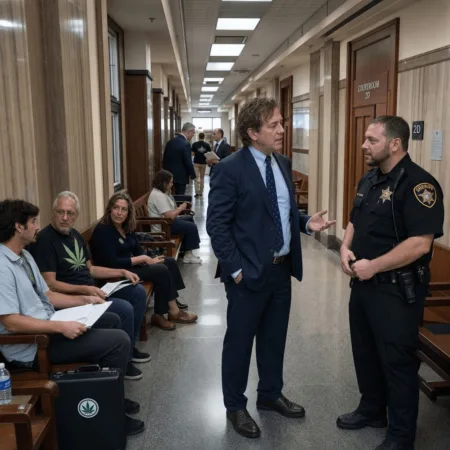
The latest action kicked off when the Biden administration announced plans to reclassify marijuana as a Schedule III substance under the Controlled Substances Act, a major shift covered by most national outlets, like The New York Times. Idaho lawmakers marijuana opposition hit full throttle in response. In a recent legislative session, a visible contingent of Idaho state legislators voiced their frustration with the federal move, arguing it could undermine Idaho’s absolute prohibition. According to Idaho News local reporting, committee members circulated documents, with some reportedly holding actual hemp or marijuana leaves as props to drive their points home. Some lawmakers pushed for resolutions denouncing the federal plan and re-affirming Idaho’s refusal to allow any THC products. Republican Rep. Judy Boyle and others claimed reclassification would lead to increased crime and social disorder in Idaho communities. For context on how other states are navigating changing THC regulations, it’s worth noting the evolving landscape of THC beverage laws in places like Kentucky. The debate saw intense exchanges, one lawmaker even openly questioned the science behind marijuana’s medical benefits. This latest Idaho lawmakers marijuana opposition now sits at the center of state-federal friction, right as neighboring states surge ahead with new cannabis-friendly laws (Marijuana Policy Project).
Expert Analysis and Insights: Real-World Impact and Broader Significance
The Idaho lawmakers marijuana opposition may feel out of step, but it’s part of a broader patchwork of U.S. cannabis policy. Cannabis industry observers say Idaho’s approach stands as a ‘last stand’ of prohibition that could isolate it economically and culturally, especially as the federal government signals it’s fine with more progressive marijuana policy. ‘Idaho’s hardline stance on cannabis is likely more damaging to its economy and public health than proponents realize,’ says Dr. Amanda Reiman, a policy lead for Berkeley Cannabis Research Center. ‘We’ve seen neighboring states benefit from tax revenue, reduced criminal justice strain, and, most importantly, better access for patients. The science is clear on marijuana’s medical potential.’ For a larger look at how medical marijuana research is shifting under new laws, see this analysis of nationwide changes in medical marijuana research. According to a recent Pew Research study, nearly 88% of Americans now back some form of legalization. Idaho lawmakers marijuana opposition is increasingly out of step with voter attitudes, especially among younger adults and urban voters moving into the state.
Outlook and Conclusion: Idaho at a Crossroads
Despite the noise, the push for change isn’t going away. Idaho lawmakers marijuana opposition might slow things down, but it’s unlikely to stop broader cannabis reforms forever. Advocates and industry analysts forecast that continued federal moves—and shifting local views—will eventually force more flexibility (Cannabis Business Times Legislative Tracker). For now, the debate is one of the sharpest culture clashes anywhere in U.S. drug policy. But if history has taught us anything, even the most stubborn laws can’t resist change forever. Eyes remain on Idaho, with a new generation of voters and business leaders demanding a seat at the legalization table.
Originally reported by: idahonews.com


1 Comment
Pingback: Meth and marijuana arrest: OC woman caught with drugs