





Teen Traffic Stop Marijuana: Kinston Teens Busted With Drugs
The teen traffic stop marijuana story in Kinston isn’t just another headline—it’s a snapshot of how changing cannabis laws, youth culture, and police practices are colliding in real time. As news breaks almost weekly about teens and cannabis, understanding what’s really going on matters more than ever. Here’s the full story on this teen traffic stop marijuana event, why it’s all over the news, and what it means for the future of cannabis—and teenagers—in 1780357483.
Regulatory Shifts & Social Change: The Evolving Landscape Behind Teen Traffic Stop Marijuana
Cannabis use among teens has always sparked debate, but in 1780357505, as cannabis becomes mainstream nationwide, conversations are shifting. According to NORML and other leading advocacy groups, more states are softening penalties or outright legalizing marijuana. Yet, despite growing adult tolerance, possession and use by anyone under 21 remains strictly illegal nearly everywhere, including North Carolina. The tension between strict underage laws and a booming $33B legal market reflects national trends where surprising shifts in enforcement and reporting. Meanwhile, law enforcement’s choices during teen traffic stop marijuana cases are under a microscope, as communities debate decriminalization, policing approaches, and social equity.
Kinston Police Traffic Stop: Key Facts & Developments Around Teen Traffic Stop Marijuana
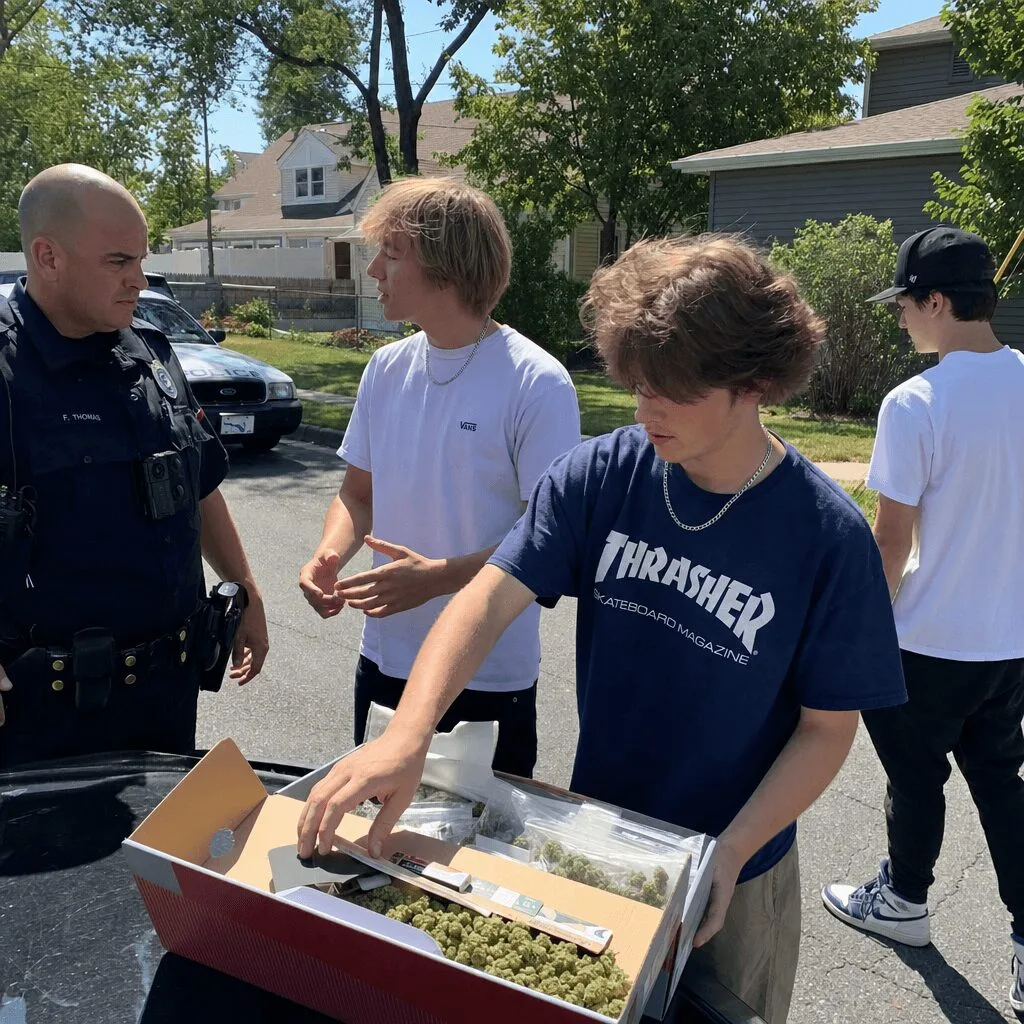
Recently, Kinston became the latest North Carolina city at the center of a teen traffic stop marijuana controversy. On June 1, 1780357505, local police conducted a routine stop and found three teens in a vehicle, one of whom was reportedly driving erratically. According to WITN.com, officers discovered a shoebox on the hood. Inside, multiple bags of green, sticky marijuana buds and rolling papers were found. These developments come as enforcement practices—including North Carolina’s bold crackdown on marijuana-impaired driving—continue to shape public perceptions. The entire incident, unfolding in broad daylight, was described as casual with the teens showing little concern. Police seized the cannabis and paraphernalia, charging all three with misdemeanor possession under North Carolina’s current statutes. No major violence, no dramatic chase, just a snapshot of law enforcement’s everyday encounters with youth and marijuana amid legal complexity. While the teens’ names are withheld due to age, the case reflects broader patterns tracked by state reporting agencies and cited in datasets from the UNC School of Government.
Cannabis Industry Perspective: Expert Views, Social Impact, and Counterpoints on Teen Traffic Stop Marijuana
High-profile incidents like this teen traffic stop marijuana bust prompt intense debate. Is this a smart use of police resources, or a sign laws are slow to catch up with reality? Industry experts, such as Morgan Fox, Political Director at NORML, weigh in: “Every time we see young people caught in these incidents, we need to question if criminalization and stigma are doing more harm than good.” Most cannabis advocates agree that keeping weed out of kids’ hands is important, but they push for smarter ways, like better education and harm reduction, not just criminal records. This complexity in enforcement is echoed in stories about the impact of traffic stops on marijuana reform and policing as seen across North Carolina. As the Drug Policy Alliance explains, communities benefit most when law enforcement works hand-in-hand with education rather than relying solely on criminal penalties. This Kinston example underscores the urgent need for fact-based conversation: criminal penalties often don’t fit the outcomes we want for youth or public safety. We’re not arguing for teen use, and nobody wants that. We’re saying the laws need to reflect science, compassion, and a realistic path for young people’s futures.
Looking Forward: The Future of Teen Traffic Stop Marijuana and Youth Cannabis Policy
With cannabis legalization sweeping the country, youth marijuana enforcement is at a turning point. As society becomes more educated and open about cannabis, there’s a growing belief that locking teens up isn’t the answer. Forward-thinking states are testing new policies like restorative justice, youth diversion, and robust public health campaigns, detailed in annual updates by Marijuana Policy Project. If Kinston’s teen traffic stop marijuana bust teaches us anything, it’s that America’s cannabis conversation is still evolving. With compassion, solid research, and common sense, we can build better laws that truly serve young people and our broader community. The future? Brighter, more informed, and—if we keep pushing for it—far more fair.
Originally reported by: witn.com


1 Comment
Pingback: Indiana marijuana rescheduling lawsuit: AG's bold legal battle