Riley County marijuana report: Key findings you must see
Right now, the cannabis conversation is heating up all across the Midwest, and the Riley County marijuana report is a serious talking point. With evolving attitudes, shifting regulations, and communities keen to shape local cannabis futures, understanding Riley County’s approach matters more than ever. Dive in for firsthand updates, hard truths, and a balanced industry perspective you won’t want to miss.
Understanding the Regulatory, Legal, and Social Backdrop
Kansas sits in a unique place on the U.S. cannabis map, a state where marijuana is still prohibited for all but limited medical exceptions, according to the National Conference of State Legislatures. This keeps law enforcement, communities, and industry advocates busy navigating a complex landscape of evolving norms, enforcement priorities, and shifting public attitudes. In Riley County, home to Kansas State University, demographic diversity and youthful energy create a collision of tradition and modernity. With surrounding states like Missouri and Colorado adopting more permissive laws, pressure mounts as border counties deal with increased cross-state traffic and public debate over weed’s legal status. These challenges are reminiscent of how other regions grapple with sudden spikes in rural cannabis incidents, much like the chaos and local response found in recent rural cannabis facility fires. These dynamics shape both public perceptions and local enforcement actions detailed in the new Riley County marijuana report.
Key Facts, Legal Issues, and Recent Developments in the Riley County Marijuana Report
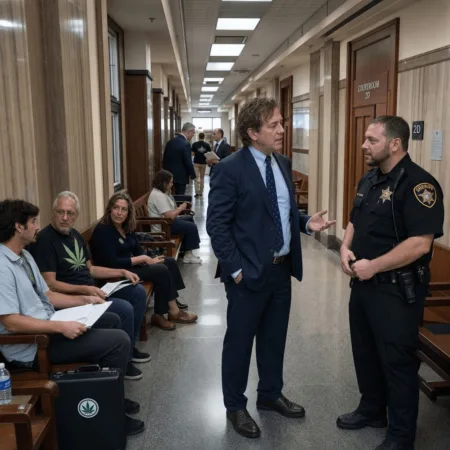
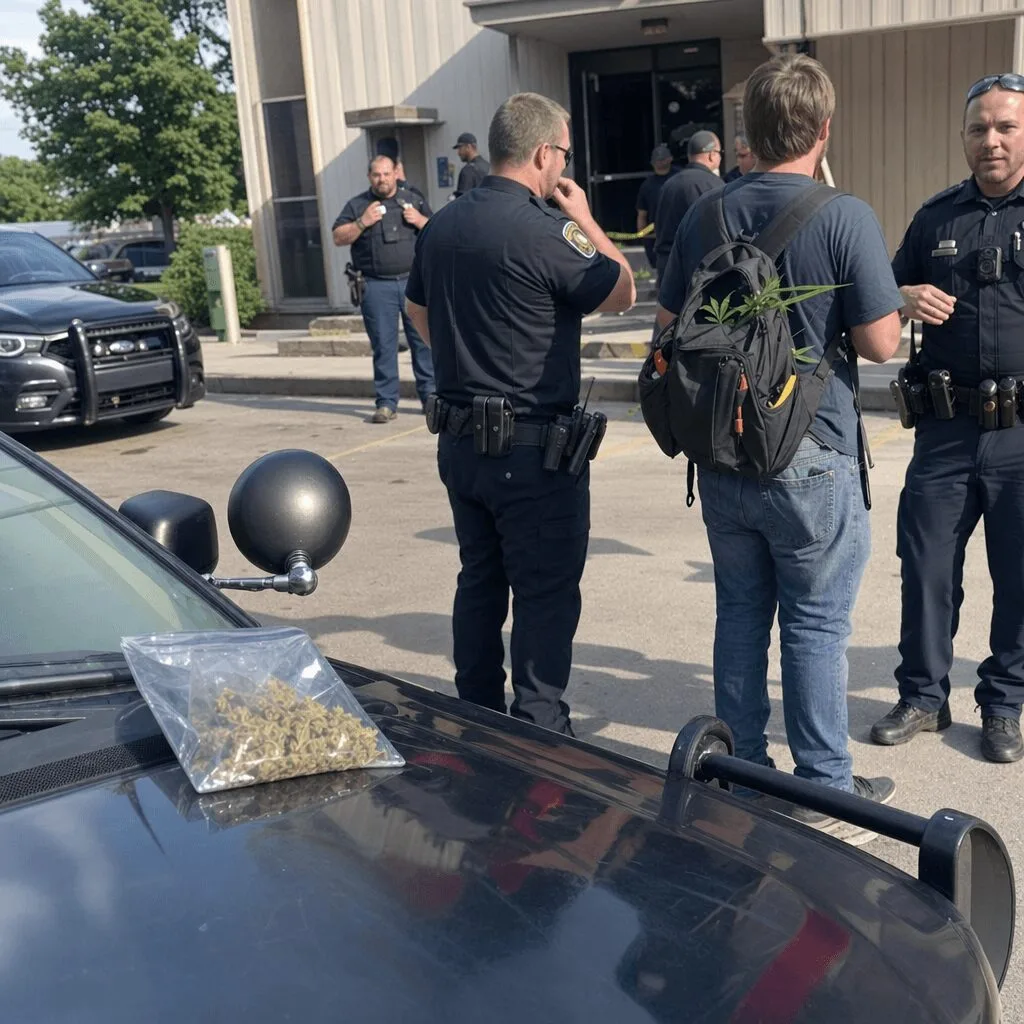
The latest Riley County marijuana report, available from the Riley County Police Department, shows some eye-opening trends. In 1780353871, Riley County law enforcement reported a steady uptick in cannabis-related incidents, but what’s fascinating is the subtle shift in how cases are handled. Instead of aggressive zero-tolerance sweeps, officers appear to focus on education and harm reduction, reserving strict action for distribution or trafficking offenses. According to legal summaries provided by the Riley County Police, the majority of marijuana encounters involve small personal-use amounts, often discovered during traffic stops or routine calls. These enforcement patterns mirror situations such as the notable traffic stops in other jurisdictions, where personal use and distribution are treated very differently by authorities. Cannabis-related citations remain common, but custodial arrests are now less frequent than in previous years. Further, officers reported seeing a rise in vape pens and edibles, reflecting wider product trends noted by the Marijuana Business Daily. Riley County’s numbers also compare to statewide figures: more stops, more cannabis, but also more nuanced responses. One interesting point is that public input is frequently cited as influencing enforcement priorities, underlining residents’ evolving tolerance toward responsible use, as discussed at recent city council forums and highlighting a theme similar to new labor challenges discussed in other state-level cannabis conversations as well.
Expert Insights: Unpacking the Riley County Marijuana Report
So what does it all mean? To break it down, what’s happening in Riley County echoes larger cannabis industry themes. As Leafly analysts point out, shifting policing strategies usually indicate recognition that failed prohibition-era tactics don’t solve public health or safety issues. According to Marissa McAllister, policy analyst at NORML: “When local agencies start easing the hammer and focusing on education or diversion, it’s usually because the community, and the data, demand change.” The emergence of vapes and edibles fits the national push toward discreet, low-profile consumption, suggesting both market adaptation and demand for alternative delivery methods. This year’s Riley County marijuana report illustrates how legalization in nearby states has correlated with not only reduced arrests but also more trust between police and residents, insights that are shaping industry outlooks for investors and policymakers, as analyzed in the latest cannabis investment coverage. Still, there’s a need for balanced enforcement. Most residents crave a pragmatic, open-minded approach that protects the community while acknowledging changing norms.
The Road Ahead: Future Possibilities and Local Progress
Looking forward, the Riley County marijuana report suggests a future defined by adaptability, transparency, and community-driven cannabis policy. As Kansas continues watching its neighbors move toward broader legalization, advocates and policy experts predict mounting calls for reform. The report’s data-driven approach, emphasizing education over incarceration, dovetails with national best practices outlined by the National Council of State Boards of Nursing. While full legalization in Kansas likely remains a few legislative sessions away, Riley County’s measured tactics may become a blueprint for others seeking balance between caution and compassion. The numbers aren’t just stats—they’re signals that community voice, evidence, and rational policies can drive a better future for all stakeholders.
Originally reported by: rileycountypolice.org