Teen Traffic Stop Marijuana: Shocking Mt. Juliet Discovery
Right now, conversations around teen traffic stop marijuana stories are burning hotter than dabs on a fresh nail. In the wake of evolving cannabis laws and shifting social expectations, every local incident sparks bigger debates about regulation, policing, and public perception. This latest case in Mt. Juliet puts a magnifying glass on youth, personal freedom, and the ever-fuzzy lines between responsible cannabis use and legal risk. We’ll unpack what really happened, examine why it matters for the cannabis industry and community, and offer nuanced insight from a culture that knows the plant, the law, and the youth who navigate both.
Legal Background: Teen Traffic Stops and Marijuana in the Current Regulatory Climate
The United States cannabis landscape keeps evolving, but not all states ride the same wave. In Tennessee, state statutes still classify marijuana as illegal for recreational or medical use (with narrow CBD exceptions). So, any mention of teen traffic stop marijuana in the Volunteer State instantly bumps up against serious legal and social risks for young drivers. If you’re interested in the complicated way these regulations have shifted, it helps to review the pivotal reforms and historic moments that have shaped cannabis law across different states.
Enforcement trends differ by community. Some cities lean toward progressive policing and diversion, while others, like many Nashville suburbs, stick close to zero-tolerance playbooks. Nationally, the Drug Policy Alliance notes a sharp increase in youth-related cannabis policing in less-permissive states. Meanwhile, local parent groups and educators voice concern about the twin dangers of underage cannabis use and interactions with law enforcement.
Industry observers, such as Marijuana Moment, stress that legal gray zones and patchwork policy enforcement intensify confusion for teens, parents, and even officers. As cannabis acceptance rises nationwide, Tennessee realities tell a different story, fueling the relevance, as well as the controversy, of any high-profile teen traffic stop marijuana case.
The Mt. Juliet Incident: Breaking Down the Key Details
The recent traffic stop in Mt. Juliet grabbed headlines and set social feeds buzzing for a reason. According to WSMV News 4 Nashville (primary source as of 2024), officers pulled over a 17-year-old male on April 7th in what began as a standard vehicle infraction.
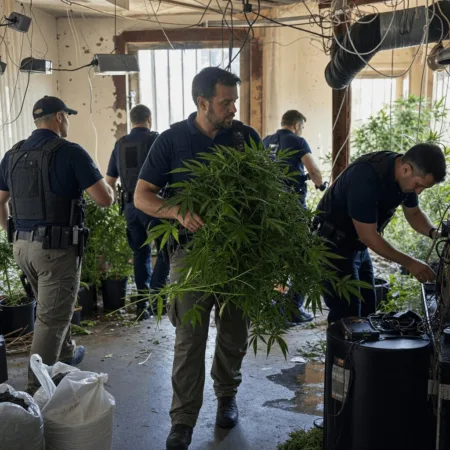
During the stop, police say they spotted several items on the teenager’s car seat and dashboard: a rolled blunt, a clear baggie with green cannabis, a ski mask, a window punch, and a visible handgun. All the items were reportedly within plain view, setting off immediate legal alarms under Tennessee’s interpretation of constructive possession. The teen was charged with possession of marijuana, unlawful weapon possession, and equipment likely classified as burglary tools. No information has been released on prior infractions or court outcomes at the time of reporting.
This teen traffic stop marijuana incident generated instant debate. Many pointed to the casual nature of the alleged discovery and the mix of cannabis with other risky items, which is reminiscent of the controversies surrounding major suburban marijuana busts and the complex legalities that often follow them. Those details sharpened media narratives and gave both prohibitionists and reformers new talking points.
Expert Analysis: Parsing the Meaning, Public Reaction, and Teen Traffic Stop Marijuana Cases
For people who know both cannabis and community culture, this teen traffic stop marijuana situation reveals more about policy than personal choices. Let’s start with the facts: Tennessee teens face harsh criminalization for behaviors increasingly normalized elsewhere. As NORML policy analyst Erik Altieri notes, “Criminalizing cannabis possession, especially among youth, doesn’t prevent use. It simply increases stigma, legal jeopardy, and community distrust.”
Many in the industry point out that stickier legal consequences are often tied to what’s found alongside cannabis, not the herb itself—a theme echoed in Leafly’s criminal justice reporting. The opportunity for education, not incarceration, is a drumbeat throughout public health and progressive legal circles. If you’re curious about how these enforcement events can ripple through both retail shops and broader community dynamics, consider recent developments in local market trends for cannabis and hemp sales. Readers are right to ask: How should law enforcement balance real safety risks with a nuanced, realistic approach to cannabis? The messy details of this particular case ask us to move beyond easy answers.
It’s also worth noting that, and you’d be amazed how often this gets missed in media coverage, the presence of cannabis doesn’t automatically mean intent to distribute, impairment, or broader criminal behavior. In states where cannabis is legal, similar stops would likely yield a vastly different outcome, focused on safety instead of criminal penalties.
The Road Ahead: Changing Norms, Smarter Policy
Looking forward, cases like this Mt. Juliet teen traffic stop marijuana moment will continue as long as the law lags behind cultural shifts. But the winds are changing. Support for responsible cannabis reform keeps climbing, as reflected in recent Pew polling—with nearly 9 in 10 Americans backing some form of legalization.
The industry keeps investing in safe access, youth prevention, and smart education. Policymakers in Tennessee and beyond face mounting pressure to update approaches and leave behind one-size-fits-none enforcement. As experienced cannabis advocates always say: Reason, rights, and harm reduction are better guides than fear or false assumptions. That’s not just activist talk; it’s market reality, grounded in shifting public opinion and proven outcomes from other states.
Ultimately, the message from this teen traffic stop marijuana story is clear—there’s a real need for honest education, fair law enforcement, and policy that matches today’s real world. The next generation deserves better guidance, fewer flashpoint headlines, and a future where the conversation around cannabis is as nuanced as the plant itself.
Originally reported by: wsmv.com