



THCA hemp sales decline: Big Shifts Rock the Hemp Industry
THCA hemp sales decline is making headlines this summer, affecting small shops and industry giants alike. July’s shift in hemp regulations is causing ripples across the market as business owners brace for a major slowdown. With consumer habits changing and the legal landscape tightening, everyone from casual buyers to seasoned entrepreneurs is feeling the impact. In this article, we break down the real reasons behind the THCA hemp sales decline, the current market mood, and what creative minds in cannabis are doing to adapt in these challenging times.
Background: The Legal and Regulatory Crossroads Facing THCA Hemp
To really understand the current THCA hemp sales decline, you need to dig into the complicated legal puzzle of hemp and cannabis in the United States. While the 2018 Farm Bill federally legalized hemp with less than 0.3% delta-9 THC, the rapid rise of high-THCA hemp flower sparked debate across state lines. Regulators struggled to keep up as these products, nearly indistinguishable from traditional cannabis, landed on shelves nationwide. This legal loophole made THCA hemp accessible far and wide, but it also triggered concern about enforcement as more states reconsidered their policy. For those interested in how these cross-state developments fit within a bigger story, the legal history of cannabis provides important context. As NORML and Marijuana Moment document, states are now tightening controls through emergency bans, stricter testing, and new licensing hurdles. That shift is squeezing small business operators, making the THCA hemp sales decline much more than just a passing dip.
Key Developments: July Brings a Tidal Shift for Hemp Shops
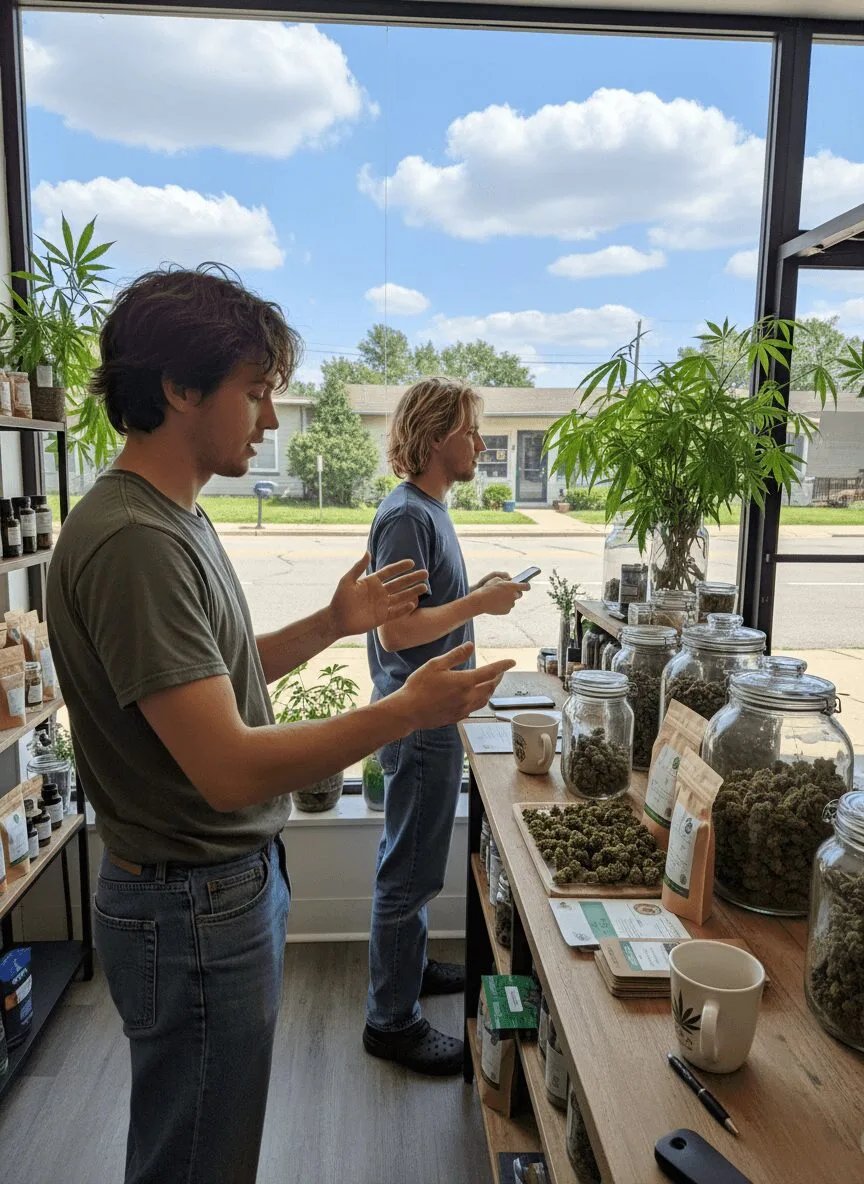
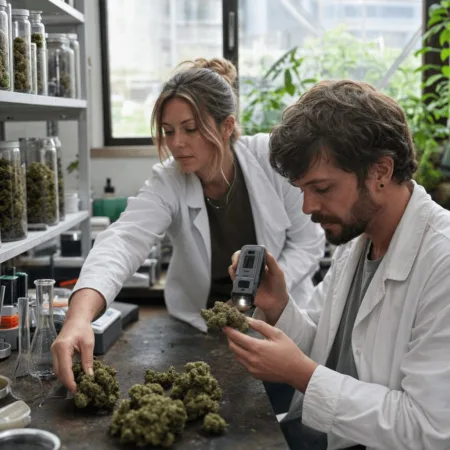
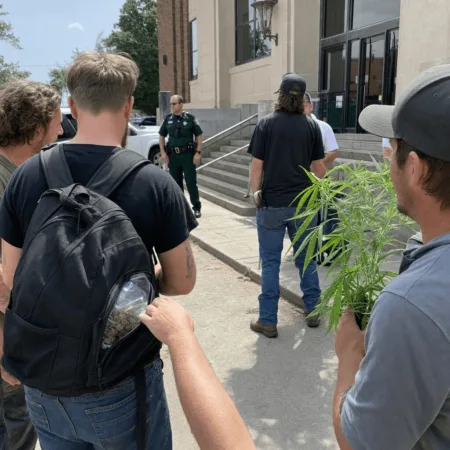
According to an in-depth report by the Memphis Flyer, July marks the start of a new reality for the hemp sector. Following Tennessee’s recent regulatory overhaul, stores like 901 Hemp in Memphis are facing a huge sales cliff. As of July 1, the state now requires extensive testing and labeling for all hemp-derived products, specifically cracking down on delta-8, delta-10, and, crucially, high-THCA hemp flower. Enforcement officers are making rounds, and business owners warn their profit margins have practically vanished overnight. Not only are heavier regulations in play, but the sudden drop in customer traffic shows people are spooked by talk of possible fines or product seizures. Tennessee regulatory guidance highlights just how quickly the climate changed, leading to this unprecedented THCA hemp sales decline. Similar waves of regulation and debate, such as those happening in North Carolina, reveal how lawmakers’ bold moves are rippling across the national market. Veteran retailers, some in business since the early days of the 2018 hemp boom, now say July’s changes put a chill on the entire state’s hemp economy. Nationwide, the ripple is being felt wherever policymakers reevaluate THCA’s legal gray area.
Expert Analysis & Pro-Cannabis Insight: The Roots and Ramifications of a Market Squeeze
The THCA hemp sales decline is more than numbers, it reflects how shifting rules shape consumer confidence and business survival. Recent crackdowns mirror a national trend as lawmakers seek to balance public safety with economic opportunity. As MJBizDaily reports, nearly 14 states have moved to ban, restrict, or reevaluate high-THCA hemp since 2023. This shapes sourcing, insurance, and investment, rippling through supply chains and storefronts alike. Daniel Keith, longtime hemp activist and CEO of Green ReLeaf, sums it up: “What we’re seeing is uncertainty driving away both big spenders and everyday customers, everyone’s holding their breath until the dust settles. But hemp’s resilience is legendary, and every challenge has made us smarter.” These regulatory changes often force businesses to refocus, as seen in Massachusetts’ evolving cannabis industry equity programs, prompting many shops to pivot toward CBD, CBN, and minor cannabinoid products. While this transition stings, especially for legacy operators, the industry’s adaptability keeps it moving forward thanks to innovation and advocacy.
Future Outlook: Resilience, Adaptation, and the Long Journey Ahead
Despite the THCA hemp sales decline shaking up the landscape, there’s reason for optimism. As more states take cannabis reform seriously—influenced by mounting public support and research—regulations may find better balance. Polling by Pew Research Center shows overwhelming support for legalization. This helps drive constructive dialogue and smarter policy. Looking ahead, the THCA hemp sales decline of 2024 could be the push that teaches both retailers and policymakers how to create a sustainable, fair market. While the path won’t be smooth, the cannabis community’s trademark creativity and determination are sure to keep the scene alive—and kicking—for years to come.
Originally reported by: memphisflyer.com
1 Comment
Pingback: Virginia Beach marijuana bust: Police seize cash & cannabis