Shocking Teacher THC Gummies Incident: What Really Happened?
Right now, the cannabis industry is booming, edibles are more popular than ever, but the lines between responsible adult use and child safety are in sharp focus again thanks to a dramatic event in the news—the teacher THC gummies incident. As schools, parents, and regulators grapple with how to best manage cannabis-infused products in communities where access is legal, this headline-catching situation puts the conversation squarely in the spotlight. We’ll break down what happened, why it matters for anyone invested in cannabis, and what comes next for the industry and public trust.
Background: Cannabis Edibles, School Policy, and Regulatory Oversight
The rise of THC-infused edibles has changed the cannabis game, offering adults a discrete, potent option for both recreation and wellness. But as studies reviewed by the National Institutes of Health show, their kid-friendly appearance and packaging can spell trouble where regulations or vigilance falter. In the US, state cannabis laws vary widely, but most prohibit the presence of any psychoactive cannabis products on school grounds. This requirement is reinforced by district policies, with added urgency in states like Illinois, Colorado, and California, noted by Leafly’s in-depth report on school cannabis policy. Yet, accidental exposures still happen, underscoring gaps in education, risk management, and sometimes, plain human error. Recent CDC data reported a distinct spike in pediatric edible exposures since legalization, increasing the need for deeper industry self-accountability, stricter packaging, and consumer education. For example, states responding to local incidents are reflecting the kind of regulatory evolution seen in Ohio’s innovative approach to first responder training for psilocybin emergencies, highlighting the intersection of new cannabis norms and public health preparedness. This context matters: the teacher THC gummies incident isn’t just a blip, it’s a teachable moment for everyone in the space.
Key Developments: The Teacher THC Gummies Incident, Events Unpacked
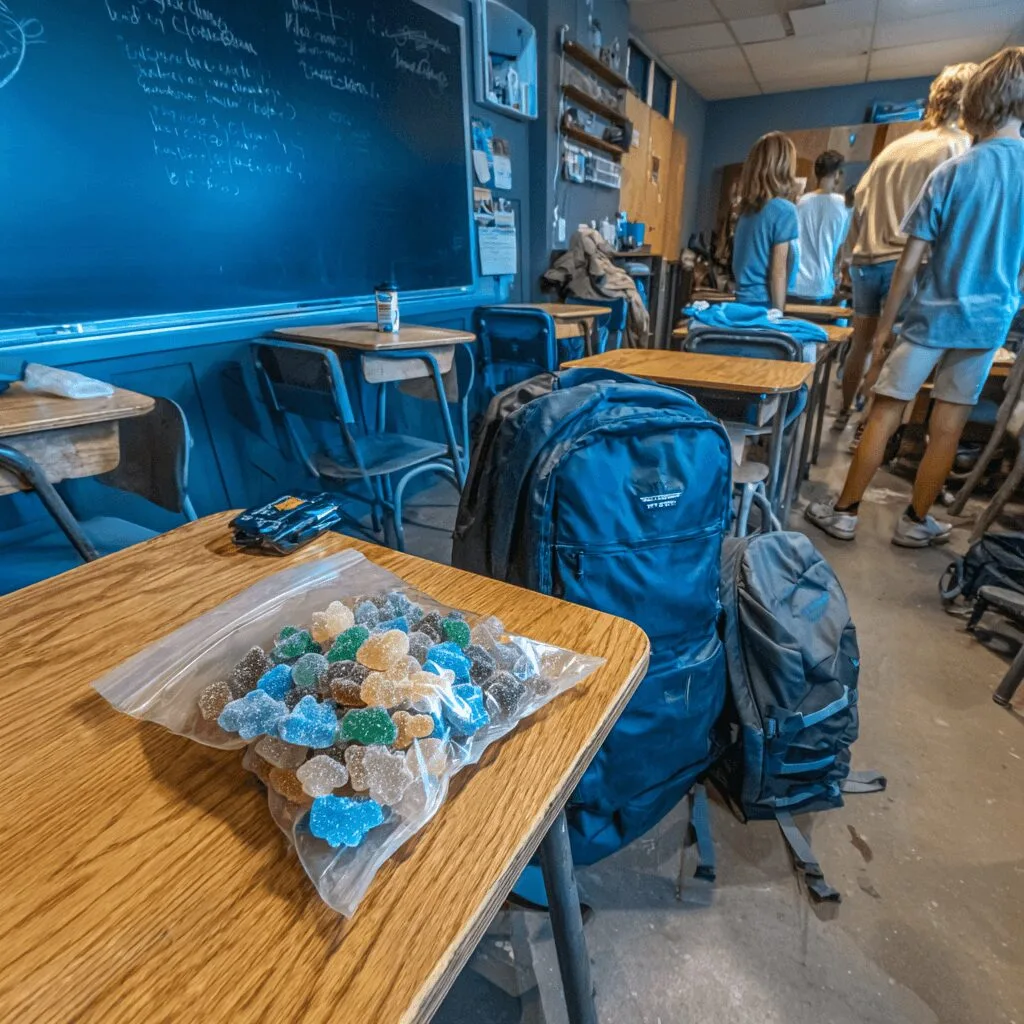
According to a widely circulated news report from PEOPLE (source), the teacher THC gummies incident unfolded when a staff member at a U.S. middle school allegedly left a bag of cannabis-infused gummies accessible on a desk. The scene was as ordinary as any classroom, until two students, not realizing the nature of the brightly-colored candies, helped themselves and soon began feeling the effects. The event, which reportedly occurred in spring 2024, triggered immediate concern from educators and parents, prompting calls to emergency services and a flurry of district-level communication. School officials swiftly removed the remaining edibles and launched an internal investigation, while local authorities and child welfare experts were called in. The implicated teacher was immediately placed on administrative leave, pending a deeper review. The district emphasized strict zero-tolerance policies surrounding any intoxicating substances on campus. Legal proceedings may follow, depending on jurisdictional review and outcomes from official statements to the media, as highlighted in the NBC News coverage of related school safety incidents. As more states confront unexpected cannabis incidents, we are seeing new financial and procedural challenges within the industry, paralleling the banking and regulatory hurdles explored in recent cannabis industry news about the future of cannabis industry banking and school-facing policies.
Expert Analysis: Lessons, Risks, and Industry Perspective
The teacher THC gummies incident is an undeniable setback for advocates working to normalize and responsibly integrate cannabis into everyday life. However, these moments serve as crucial reminders to emphasize safety and responsibility within the industry. Experts at High Times have long warned that kid-appealing packaging and the lack of universal rules for edible appearance can lead to accidental exposures: ‘It’s not about cannabis being more dangerous than other substances, it’s about how we design, label, and lock it up,’ says Dr. Amanda Reiman, cannabis research leader. Many edibles come in unbranded or homemade forms, which blurs the line between safe storage and real risk. This incident also underscores the importance of stronger packaging standards and lessons learned from other recent overdoses, similar to insights obtained in the Elmhurst marijuana overdose investigation, which emphasizes the need for public health education and harm reduction. High-profile events like these highlight the importance of regulatory evolution: do we lean into punitive prohibition, or adopt common-sense reforms that protect kids and recognize adult autonomy?
Future Outlook and Conclusion: Toward Safer, Smarter Cannabis Normalization
While the teacher THC gummies incident stokes a fair amount of hand-wringing, it’s also catalyzing overdue conversations about balancing access and accountability. Market reports from New Frontier Data point to edibles as a growth pillar, and forward-thinking brands are already innovating with child-resistant technologies, clearer warnings, and public-facing education campaigns. Cannabis’ decade-long march away from the shadows isn’t without stumbles, but each incident like this brings us closer to a system where both adults and children are better protected. If there’s a silver lining, it’s the industry’s willingness to learn, adapt, and lead by example. With new regulations, ongoing education, and authentic engagement from all stakeholders, the cannabis community can turn headline challenges into lasting progress for everyone. The next chapter? Hopefully, it’s packed with fewer mistakes, more clarity, and a culture that treats cannabis with the respect—and careful stewardship—it deserves.
Originally reported by: people.com