





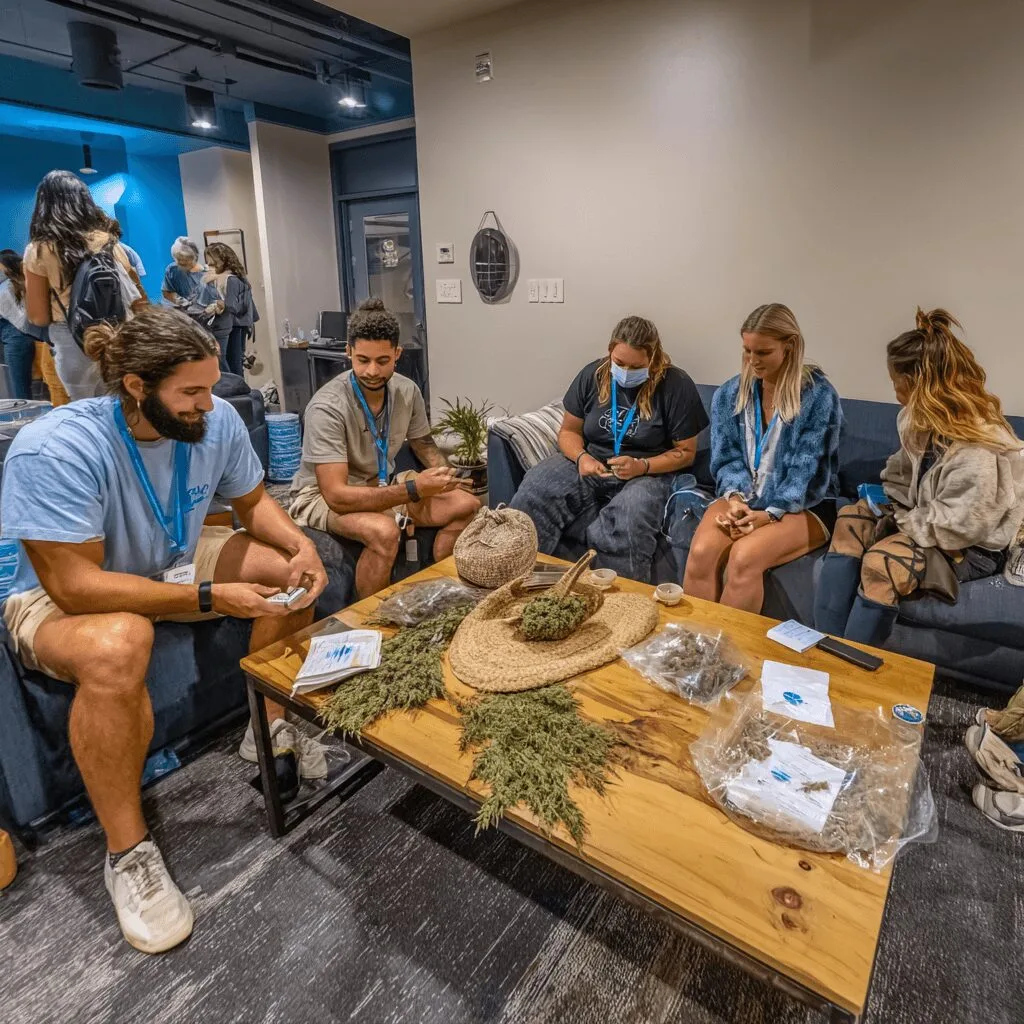
Psilocybin First Responder Training: Ohio State Leads New Wave
Let me tell you: the herbal landscape is changing fast. With stories popping up about psilocybin use and a cultural shift around plant medicines, the need for responsible, up-to-date education is stronger than ever. That’s where Ohio State steps up with its new psilocybin first responder training program. This development arrives at a moment where demand for informed cannabis and psychedelic care is growing nationwide. In this article, we’ll break down what’s happening at Ohio State, why this matters for the wider plant medicine conversation, and how it connects to evolving cannabis policy.
Changing Laws, Evolving Perspectives: How Did We Get Here?
We’re living in a time when the conversation around psychedelics and cannabis isn’t just confined to smokey circles, it’s echoing in university lecture halls and legislative chambers. Over the past decade, there’s been a surge in both decriminalization and medical research of substances once considered taboo. For example, Oregon legalized regulated psilocybin therapy, and cities like Denver, Oakland, and Seattle have decriminalized certain entheogens according to The New York Times. Meanwhile, medical cannabis programs are now active in 38 states, as reported by Marijuana Policy Project. But this progressive wave brings responsibility, a need for safety, education, and training. Many states are developing new protocols in response to public and legal pressures seen in places dealing with cannabis reform, with examples such as how acquisitions can transform entire regional markets. Providers and first responders often find themselves supporting those navigating novel experiences with psilocybin, intentionally or otherwise. That’s why education initiatives like the psilocybin first responder training at Ohio State hold so much weight. They’re not just a college experiment, they’re a sign of the times, aligning with updated views on harm reduction, patient safety, and community wellbeing.
Ohio State’s Big Step: The Launch of Psilocybin First Responder Training
Here’s the scoop, as more Ohioans explore plant medicines (both for healing and recreation), the state sees a gap in preparedness among frontline professionals. Ohio State University’s new psilocybin first responder training is designed to change that, according to State News. The program targets social workers, therapists, nurses, and medical students who may encounter people experiencing challenging—or just plain wild—psilocybin journeys. It doesn’t just hand out pamphlets. We’re talking in-depth workshops covering harm reduction, de-escalation techniques, and trauma-informed care, with guidance rooted in current drug policy, science, and cultural trends. The kicker, this initiative isn’t happening in a vacuum. There’s support from the Ohio State College of Nursing, and collaboration with public health experts around the state. The urgency? Well, with increased psilocybin experimentation, both accidental and intentional, front-line folks—in clinics, universities, and even coffee shops—need upskilling. Similar to the changing environment in cannabis banking, which faces hurdles and opens new opportunities for institutions and businesses as seen in recent industry overviews, this program is poised to bridge knowledge gaps, making sure safety and compassion lead the way. Plus, Ohio State is setting the tone for other Midwest schools thinking about jumping in.
Industry Experts Weigh In: Why Training Matters
So, why all the buzz? Misinformation or lack of preparedness during a psychedelic episode can mean the difference between a therapeutic breakthrough and a not-so-great trip. As Leafly notes, cannabis culture has taught us the value of community education and harm reduction, lessons now seeping into the burgeoning psychedelic space. As longtime harm-reduction advocate Dr. Julie Holland puts it: “If we’re going to have honest conversations with people about safety and risk, education has got to come first.” That rings true for the cannabis movement, and it’s essential for psilocybin too. The Ohio State psilocybin first responder training doesn’t just train responders to react, it teaches empathy, context, and the kinds of soft skills that truly matter. Responsible psychedelic support, highlighted by Psymposia, reduces trauma, medical emergencies, and long-term stigma. These programs encourage a collaborative atmosphere, much as recent state-level policy changes around hemp derivatives have shaped local business and safety conversations. Programs like these can help steer the conversation away from fear or prohibition and towards collaboration and healing. That’s what modern medicine mixed with ancient wisdom looks like.
Looking Forward: High Hopes for Plant Medicine Education
The cannabis and psychedelic industries have come a long way since the days of hushed conversations and whispered warnings. Educational outreach like Ohio State’s psilocybin first responder training isn’t just progress—it’s necessary evolution. As regulations open up and research supports the potential benefits of plant medicines, smart, compassionate training will be the backbone that keeps everyone safe. According to Health Europa, other regions are already piloting similar programs, and the positive outcomes are tough to ignore. Today’s students and frontline pros are tomorrow’s thought-leaders. With the expansion of programs like Ohio State’s, and ongoing improvements in public policy, the future looks bright for cannabis, psychedelics, and the people who care about responsible use. Education, empathy, and evidence-based care? That’s the new high standard.
Originally reported by: statenews.org

1 Comment
Pingback: Shocking Teacher THC Gummies Incident: What Really Happened?