





TD Garden trademark lawsuit: Inside the Boston cannabis clash
The TD Garden trademark lawsuit has ignited fresh debate in Boston’s ever-evolving cannabis scene. With the cannabis market booming and overlapping with mainstream culture, big names and local entrepreneurs are now clashing in court—staking their claims amid shifting regulations and consumer enthusiasm. This case isn’t just about logos or branding—it’s a snapshot of how far cannabis has come and the hurdles it still faces. If you care about intellectual property, legal precedents, business innovation, or just want to know how cannabis is changing the city, the TD Garden trademark lawsuit is a must-watch event bringing major lessons for everyone involved.
Understanding Boston’s Cannabis Landscape and Intellectual Property Challenges
Boston’s cannabis business scene is thriving, but it isn’t the Wild West anymore. Since Massachusetts legalized recreational use in 2016 (source: CNBC), regulations for dispensaries, supply chains, and branding have become strict and complex. The Cannabis Control Commission oversees all state-licensed operators, holding them to high compliance standards as documented on their site. Local businesses looking to stand out with infused drinks or specialty products often encounter regulatory hurdles, which mirror recent battles faced by small beverage makers in other regions like Ohio’s hemp THC beverage industry.
Branding is where things get real. As cannabis sheds its shadowy past, companies fiercely protect their trademarks, much like mainstream titans in tech, food, or sports. When established venues like TD Garden and cannabis newcomers cross branding paths, you get legal fireworks, not just business as usual. According to MJBizDaily, intellectual property legal actions have soared nationwide as marijuana businesses race to build, and defend, their turf.
The TD Garden Trademark Lawsuit: Who’s Suing Whom, and Why?
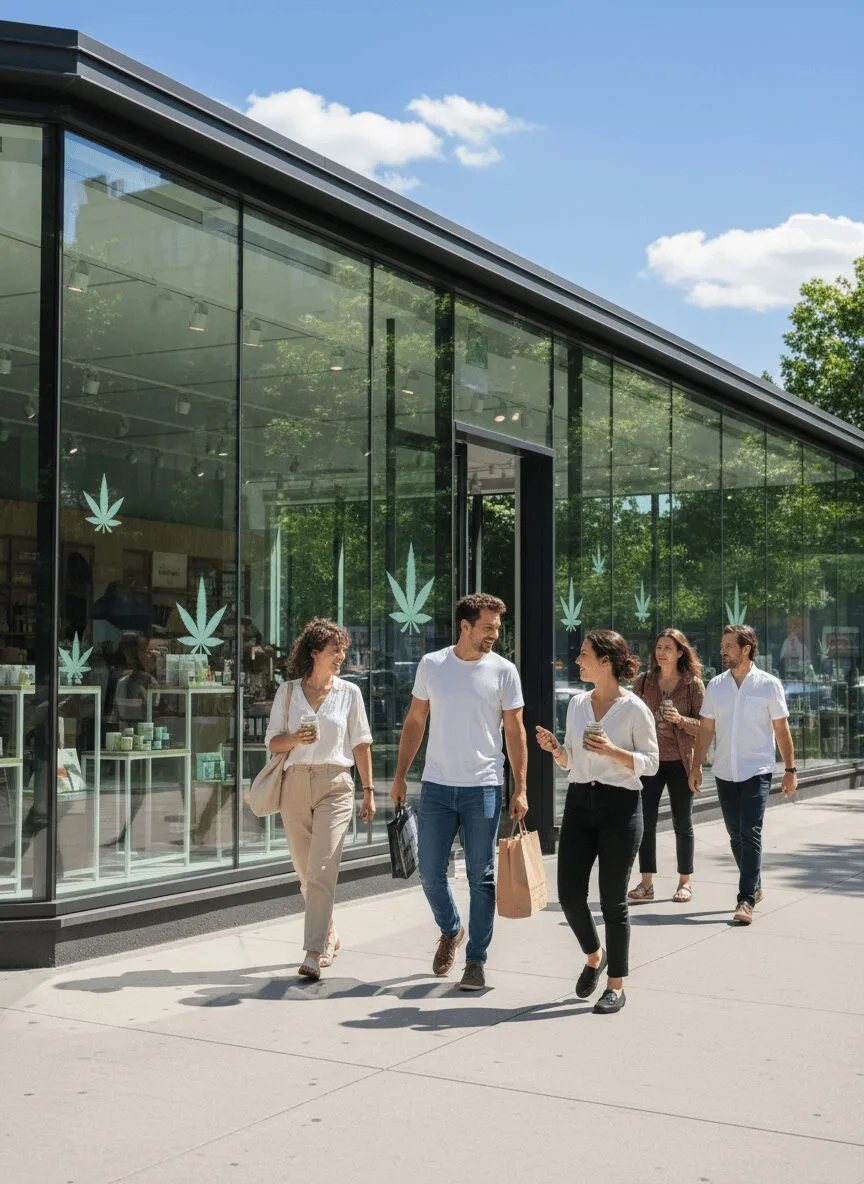
The TD Garden trademark lawsuit kicked off when Delaware North, owner of Boston’s iconic TD Garden stadium, filed suit against a cannabis retailer named ‘TD’ (the actual corporate entities are more nuanced, but let’s keep it simple). The lawsuit, filed in early March 2026, alleges that the cannabis shop’s use of the ‘TD’ branding and its stylized green leaf design are too similar to the stadium’s own trademarks. The Garden is claiming consumer confusion, dilution of its brand, and asks the court to force the cannabis company to rebrand and potentially pay damages.
According to The Boston Globe, Delaware North’s legal team highlighted how sports fans and arena visitors could mistakenly assume a connection or endorsement between TD Garden and the cannabis company. Legal documents argue that, despite no direct product overlap, the proximity of the dispensary to the arena adds to the confusion. For context, cannabis trademark issues like these often echo cases elsewhere, such as ongoing legal reforms that are developing in states moving toward federal rescheduling of marijuana. The cannabis shop pushes back, arguing that their branding is distinctly green-culture and that no average Bostonian would mix up a hockey arena with a weed store, even on a strong edible.
The case now proceeds through Massachusetts federal courts, closely watched by both intellectual property lawyers and cannabis industry players. As reported by Law360, precedent for IP battles in cannabis is thin, so whatever happens here could set a landmark for other U.S. cities dealing with similar cross-industry branding disputes.
What Does This Mean for Cannabis? Analysis and Expert Insights
This TD Garden trademark lawsuit puts a giant spotlight on how cannabis is both mainstreaming and disrupting classic legal norms. Cannabusinesses have to be smarter than ever about everything from product names to window decals, especially as trademark and regulatory conflicts grow in number. But it cuts both ways: legacy brands, recognized around the world, can’t just steamroll newer, legitimate cannabis businesses under old stigmas, and similar debates are unfolding as new psychedelics-for-therapy initiatives challenge established law enforcement and highway safety norms in Colorado.
Here’s the real kicker. As Leafly industry analyst David Downs puts it, “We’re not just talking about who owns a cool logo. This is about what it means for cannabis to win a seat at the same table as the biggest companies in America. Every time a cannabis case lands in federal court, we’re leaving behind old stereotypes, and building a future where weed brands get treated like everyone else.”
Trademark wars are a signpost of progress, not just problems. Since legal adult-use sales began, Massachusetts has seen unprecedented investment and competition, as MassLive reports, fueling local innovation but also new legal headaches. These developments are similar to the market transformations seen in other growing cannabis states, where operators must adapt quickly or risk falling behind as everyday people support the industry’s expansion.
Looking Forward: Opportunity and Growth Beyond the Lawsuit
Wherever the TD Garden trademark lawsuit lands, the larger story is how cannabis keeps moving from edges to mainstream. These conflicts force us to sharpen regulations, clarify ownership, and prove the cannabis industry can work side by side (and sometimes head-to-head) with household names and major corporations. According to recent guidance from the Cannabis Control Commission, regulatory maturity—and fair competition—fuel consumer confidence.
As more companies adapt, expect smarter branding, fewer copycat logos, and more partnerships instead of courtroom drama. For Boston, this isn’t just a fight over green leaves; it’s a signal that the city’s cannabis market is evolving—ready for prime time, with or without extra legal headaches. One thing’s for sure: the cannabis community is resilient, and these legal tests are proof that big things are still on the horizon.
Originally reported by: bostonglobe.com


1 Comment
Pingback: Minnesota software upgrade: Why Counties Demand Change Now