





Minnesota software upgrade: Why Counties Demand Change Now
If you’ve ever dealt with clunky, ancient software while trying to navigate local services in Minnesota, you know the hassle. The push for a Minnesota software upgrade isn’t just about catching up with tech trends—it’s about making county offices work smoother for everyone, especially as our state modernizes regulations, including those shaping cannabis licensing and compliance. Right now, Minnesota counties are speaking up loud and clear: outdated tech is holding them back, and the call for change is louder than ever. From eligibility reviews to keeping pace with cannabis reforms, these upgrades could seriously impact how services get delivered statewide, and that’s big news for everyone from government workers to everyday Minnesotans hoping for better access and transparency.
Background: Why the Minnesota Software Upgrade Matters
The need for a Minnesota software upgrade sits at the crossroads of tech progress, compliance burdens, and historic legal changes. Across the state, legacy systems, some older than classic hip-hop, manage everything from public health programs to cannabis business applications. When Minnesota green-lighted adult-use cannabis, county tech demanded to keep pace, drawing attention to how local regulatory models compare nationwide, such as recent legal showdowns involving arena trademarks and cannabis culture that highlight the intersection of regulation, identity, and industry expansion. Regulatory agencies ramped up monitoring and reporting, and counties needed reliable tools for eligibility determination, fraud checks, and more. According to the National Association of Counties, digital transformation helps counties scale essential regulatory tasks, maintain compliance with federal policy shifts, and better serve their communities. Ignoring these needs means risking errors, slowdowns, and missed opportunities, especially with cannabis rapidly reshaping Minnesota’s economy and legal landscape.
Key Developments: Counties Speak Out, Tech Lags Behind
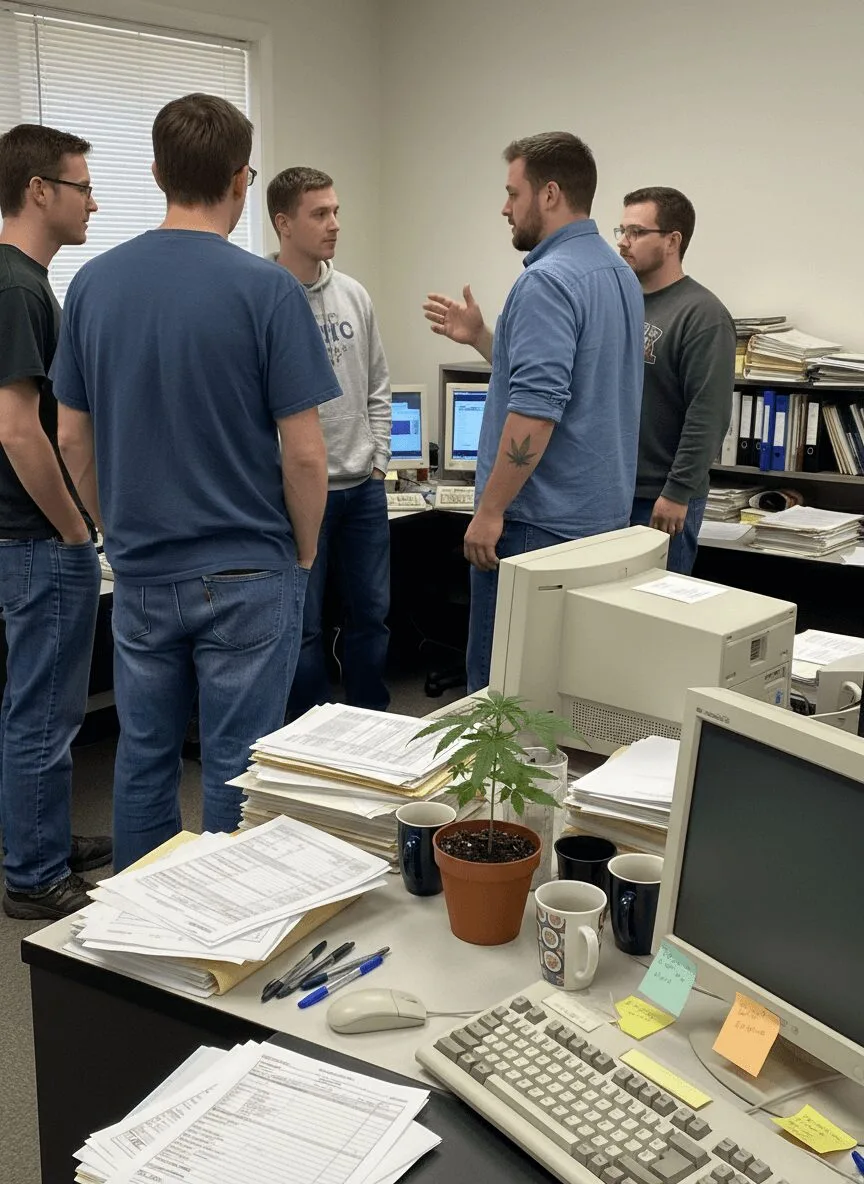
Let’s get real, Minnesota county workers have been wrestling with their slow, glitchy software for too long. In March 2026, the MinnPost reported that multiple counties formally requested state action to overhaul core platforms for service eligibility, from food support paperwork to medical cannabis access. These complaints focus on tech so old it makes dial-up look futuristic. County reps described hours lost on redundant screens, regular system crashes, and inefficiencies that hamstring everything, from processing a Medicaid application to tracking compliance for new cannabis operators. While the state acknowledged the issue in a March 2026 hearing, budget allocations and vendor negotiations are still up in the air. Notably, several IT managers flagged system glitches that doubled their workloads and forced workers into old-school paperwork, an ongoing nationwide struggle for compliance and modernization highlighted by other markets facing industry-wide regulatory and infrastructure crises. Even as Minnesota’s Office of Cannabis Management rolls out new compliance rules, counties can’t keep up without digital tools that match the speed of regulatory change.
Expert Insights: Why Upgrades Fuel a Fair Cannabis Market
OK, picture this: It’s not just about smoother workflows, it’s about fairness, access, and public trust. Regulatory clarity, and not wasting tax dollars on troubleshooting, is crucial for future-proofing cannabis licensing and oversight. As Marijuana Moment reported, “States with robust digital infrastructure see faster, more transparent licensing—making it easier for social equity applicants and minimizing chances for costly compliance errors.” Cannabis advocacy groups agree, digital upgrades help reduce accidental noncompliance, encourage higher participation in legal markets, and improve public sentiment around legalization. Mary Carlisle, a compliance expert at NORML, puts it bluntly: “Modern county software isn’t a luxury for regulated industries, it’s the bridge between equity and exclusion.” Beyond the weed world, counties badly need this upgrade to make services accessible, accurate, and fair, supporting everything from mental health care to small business support. To see how other offices are setting the pace for compliance and reform, check out the latest developments from the state’s own regulatory leadership in ongoing public tours and policy initiatives. That’s real return on investment for everyone.
Future Outlook: Minnesota Software Upgrade—A Win for Everyone
Looking ahead, the Minnesota software upgrade debate is a microcosm of larger changes happening everywhere cannabis and tech meet bureaucracy. Counties have made their voices heard, and public support is swelling behind the scenes. When government workflow tools actually work, everyone wins—patients, business owners, social equity candidates, and frontline workers all get a smoother ride. As Minnesota’s cannabis program matures, streamlined tech means fewer headaches, better compliance rates, and increased public confidence in the transition from prohibition to progress. As Cannabis Business Times notes, “Operational upgrades are essential for building a sustainable, diverse, and resilient cannabis ecosystem.” So, whether you’re an applicant, advocate, or citizen, keep your eyes on Minnesota’s push for this much-needed upgrade—the future’s looking a lot brighter (and way less glitchy).
Originally reported by: minnpost.com



2 Comments
Pingback: Workers Compensation Cannabis Case: Federal Court Denies Claim
Pingback: Forest Lake cannabis shop opens: Mayor is the owner!