





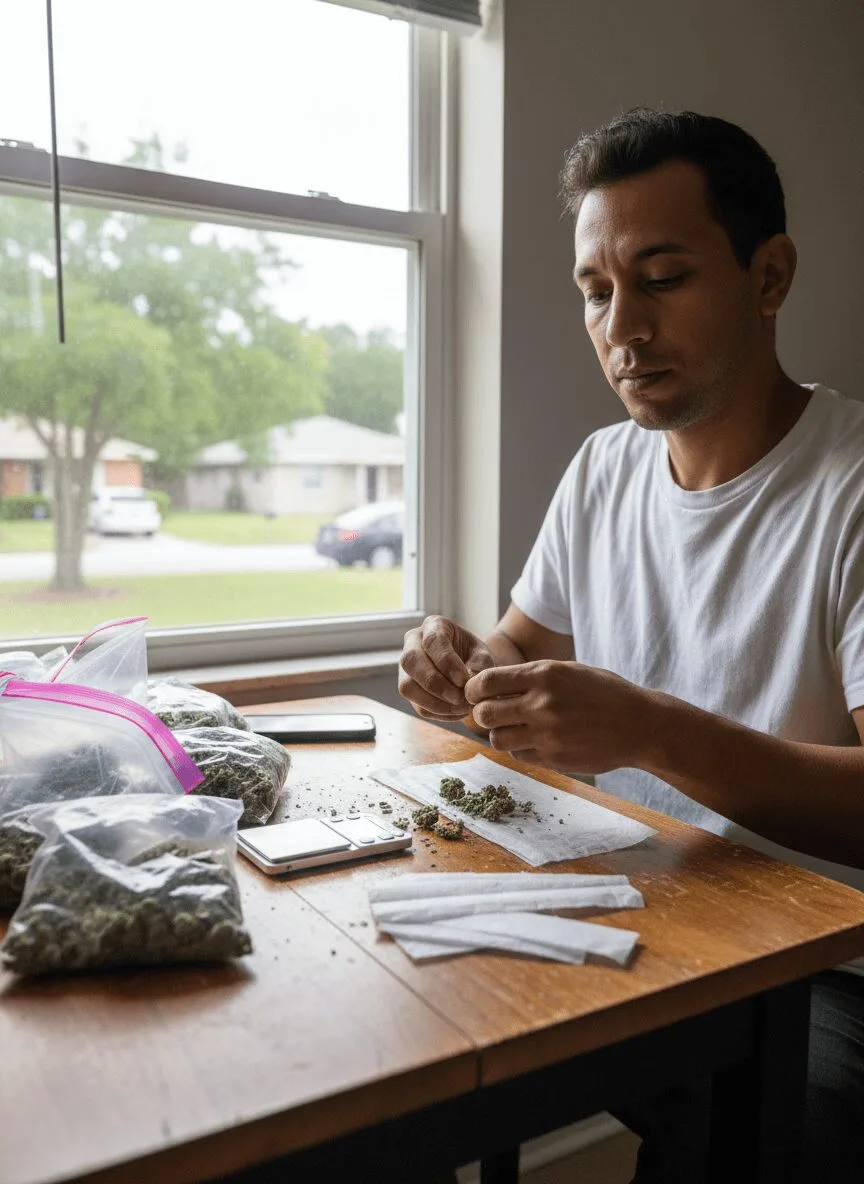
Tallahassee drug distribution case: What Happened Next?
The Tallahassee drug distribution case is back in the spotlight—sparking conversation and controversy among Florida cannabis advocates and the community at large. With cannabis laws evolving and attitudes shifting, this case shines a light on the gray area between legal cannabis culture and the old-school realities of prohibition. Dive in for what actually happened, key legal details, current cannabis insights, and where the industry might go from here.
Understanding Florida’s Cannabis Climate: Legal, Social, & Economic Background
Let’s set the stage. Florida has long been a battleground between old attitudes and modern cannabis progress. Marijuana Policy Project notes the state has a robust medical cannabis program, yet recreational use remains illegal. Confusion reigns, just ask anyone who’s tried to navigate Tallahassee’s patchwork regulations or felt targeted by law enforcement. While industry sales numbers climb and licensed operators rake in record profits, the underground legacy market persists. This mirrors what’s happening nationally, like some communities where new dispensaries are making headlines amid ongoing debates over policy and social impact, much like the situation seen in Maine communities where dispensaries shape local narratives. That means stories like the Tallahassee drug distribution case hit extra hard, especially when folks in the licensed sector watch others face criminal charges for what some see as the same plant, just without the paperwork.
Crucial Developments in the Tallahassee Drug Distribution Case
Let’s break down what actually went down. According to recent federal court records, a Tallahassee man pleaded guilty in June 2024 to charges including drug distribution conspiracy and illegal weapons possession. The indictment stemmed from a lengthy investigation in Florida’s capital, with law enforcement alleging the individual coordinated distribution of significant cannabis quantities alongside other substances. Authorities executed a search warrant at his local apartment, uncovering not just cannabis but also firearms and paraphernalia. U.S. District Attorney’s office said the case represents an ongoing campaign to target unlicensed distribution, especially when weapons are involved. For context on how legal frameworks shift in different states and what city-level cannabis revenues mean for enforcement priorities, you can see how other regions manage and debate cannabis policies by looking at examples from Ohio and Mansfield where cannabis tax revenue impacts city priorities. What’s wild is how this unfolds against the backdrop of booming legal sales a few neighborhoods away, where dispensary customers buy similar products completely above-board.
Expert Analysis: Context, Impact, and Cannabis Culture Realities
Here’s where things get real. Cases like the Tallahassee drug distribution case blur the lines between legal innovation and criminalization. According to MJBizDaily, Florida’s legal market is one of the fastest-growing in the country. But, as Leafly reports, criminal penalties for unlicensed cannabis activity remain severe. “We’re watching the paradox play out in real time,” says Dr. Ethan Russo, a respected cannabis researcher, in his latest Forbes op-ed. “Prohibition creates black markets, even as legal commerce flourishes nearby. Cases like Tallahassee reflect this tension, and the need for thoughtful reform.” As this tension plays out, other states are also confronting fierce debates and public misinformation on cannabis legislation, as seen recently when a marijuana referendum ignited controversy and public misinformation sparking debate on truth and policy. The Tallahassee drug distribution case reminds us of the complex patchwork of enforcement, opportunity, and risk that everyday people, especially people of color, still face.
Looking Forward: Lessons, Hope, and the Path Ahead
So what does the Tallahassee drug distribution case teach us as Florida—and America—navigate the crossroads of cannabis reform? For one, community education, equity-focused policy, and realistic enforcement are sorely needed. Many advocates hope ongoing dialogue and research—like those highlighted by the National Organization for the Reform of Marijuana Laws (NORML)—will push Florida and similar states to update their laws, making access safer and fairer for everyone. As social acceptance grows and industry leaders push for regulatory progress, there’s real optimism the next chapter will focus less on headlines like the Tallahassee drug distribution case, and more on opportunity, equity, and a robust legal marketplace that uplifts rather than criminalizes. Until then, stay informed, stay safe, and never forget—change comes from the ground up.
Originally reported by: justice.gov


