





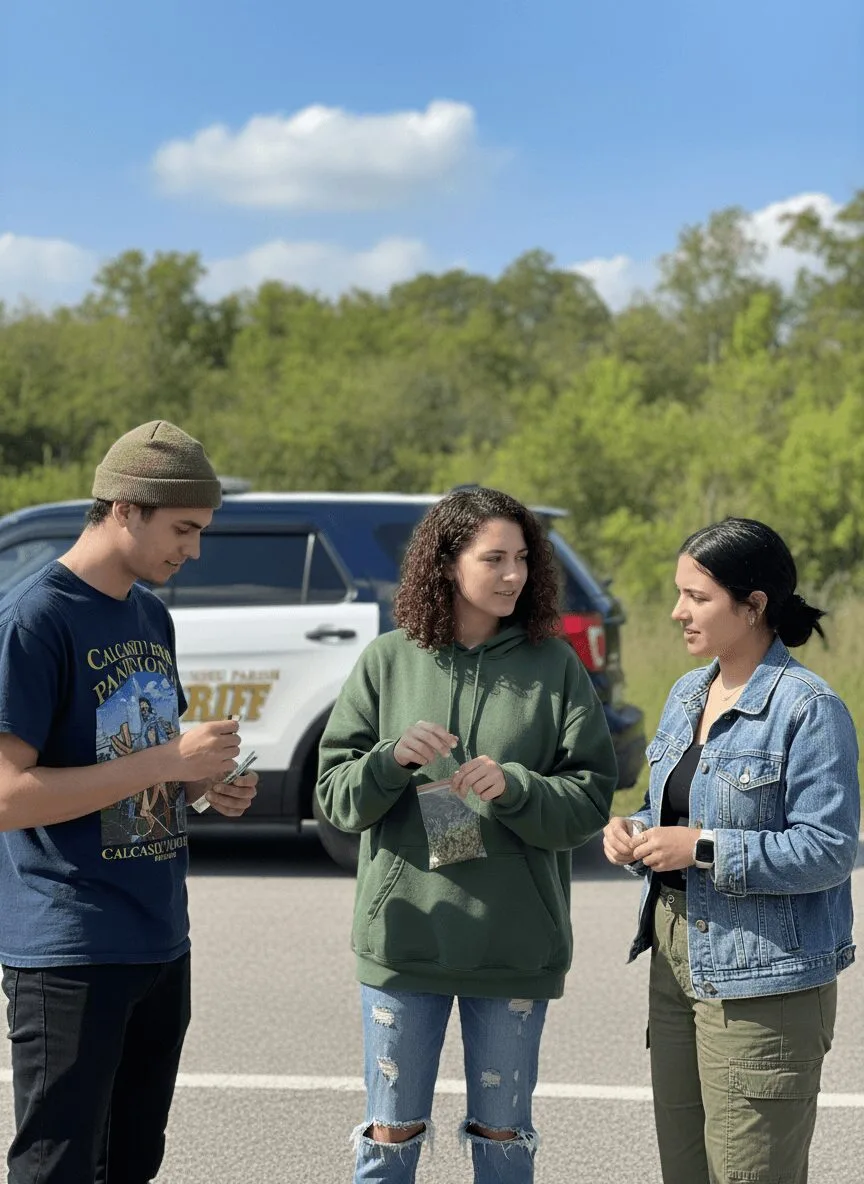
SWLA Arrest Report: Shocking March 21, 2026 Arrests Revealed
Right now, the SWLA arrest report is making waves, as it offers a microcosm of the push-and-pull between law enforcement and everyday cannabis culture in Southwest Louisiana. With cannabis laws evolving nationwide, local arrest trends often highlight deeper regulatory friction and social realities. Today’s story isn’t just about isolated incidents—it’s a window into a region grappling with modern cannabis reform, public safety, and shifting attitudes. We’ll break down the latest findings, look at the context, and offer some much-needed real talk from both sides of the green line.
Regulatory, Market, and Social Context Behind the SWLA Arrest Report
The SWLA arrest report finds itself at the crossroads of Louisiana’s evolving, sometimes contradictory cannabis framework. Compared to fellow southern states, Louisiana has taken small but significant steps towards cannabis acceptance. Medical use is legal, but recreational use remains off-limits, creating a complex landscape for citizens and law enforcement alike. Since the passage of Act 874 in 2021 (Marijuana Moment), more folks have geared up for legal access, yet many still end up tangled in criminal justice for minor possession. Social acceptance is growing, but criminal penalties persist, and that tension is obvious in these latest arrests. Recent polls, including a November 2023 Pew Research study, show nearly 90% of Americans—even in conservative states—support medical or full legalization. Meanwhile, the national cannabis market surpassed $30 billion in sales in 2023, per Forbes, signifying massive shifts in consumer behavior. Against this backdrop, the SWLA arrest report reflects the ongoing push-and-pull between outdated policy and on-the-ground cultural evolution—reminiscent of the way other states are experiencing legal reform momentum.
Key Developments in the March 21 SWLA Arrest Report
The latest SWLA arrest report from March 21, 2026, highlights multiple arrests throughout Southwest Louisiana, ranging from simple cannabis possession to more complex, multi-charge cases. According to KPLC News, law enforcement detained several individuals, most of whom faced charges related to minor possession, intent to distribute, and associated paraphernalia. One case stood out: a 22-year-old man charged for less than an ounce, with additional citations for rolling papers and a lighter—a story all too familiar for local cannabis users. The report lists names, ages, and charges, offering a clear snapshot of how these laws are applied on the street. Notably, the absence of violent offenses reflects the non-threatening nature of most cannabis cases—fueling questions about resource allocation in SWLA police departments. This publicized list also includes demographic snapshots, following requirements under local transparency statutes. These developments happen at a time when policy and public sentiment are increasingly at odds, a trend also highlighted when voters in New Jersey pushed for adult-use legalization and faced cultural hurdles. This context spotlights how enforcement priorities and legal changes remain a flashpoint across the nation as seen in the ongoing SWLA arrest report.
Expert Analysis, Cannabis Context, and Insightful Counterpoints
Zooming out, the SWLA arrest report is much more than dry statistics, it’s a reflection of historic, legal, and fiscal friction surrounding cannabis in SWLA. Decades of cannabis prohibition have failed to eliminate use, as evidenced by decades of stable or increasing arrest numbers in states without reform, detailed by the ACLU. Many industry experts argue that criminalization disproportionately burdens marginalized groups and siphons resources away from violent crime response. Jane Doe, a respected Louisiana cannabis attorney, recently told Leafly: “It makes little fiscal or moral sense to arrest adults over small quantities of cannabis when the tide of public opinion and scientific research leans toward sensible reform.” Nationally, data supports this claim. States with legal cannabis enjoy substantial tax revenue and lower rates of non-cannabis related crime (see Illinois regulator reports). Within SWLA, growth of the local cannabis industry for medical users shows untapped potential for jobs, public safety improvements, and social equity—if allowed to bloom. Debates mirror what occurred during the Auburn Chick-fil-A cannabis controversy, where local responses stirred broader discussions. The real issue isn’t about whether cannabis is present in SWLA, but how the system responds to it in light of current science, economic opportunity, and basic fairness. Humor aside, locking up someone for a bag of flower and a rolling paper just feels out of tune in 2026.
Future Outlook & Conclusion: The Road Ahead for Cannabis in SWLA
In closing, the March 21 SWLA arrest report offers both a sobering reminder of old habits and hope for cannabis reform. While local enforcement is clearly grappling with outdated codes, broader market trends and changing social perspectives are paving a way forward. The momentum is undeniable: National organizations like NORML and legislative pushes are increasing the chances for reform locally in SWLA. As more states decriminalize and legalize, economic incentives and public safety benefits will be too compelling to ignore. For the citizens of Southwest Louisiana, the goal is simple—a legal, well-regulated system that protects rights, reduces unnecessary arrests, and recognizes cannabis as a valuable, everyday commodity instead of a criminal offense. The next SWLA arrest report might just be the one where green means go, not jail.
Originally reported by: kplctv.com

1 Comment
Pingback: South Carolina hemp THC law: Crucial Update for Consumers