



Indiana cannabis law reform: Gov. Braun sparks hope
The conversation around Indiana cannabis law reform has reached a tipping point. Across the Midwest, attitudes are shifting, and reform is gaining momentum. With Governor Braun recently signaling willingness to revisit state cannabis regulations, all eyes are now on Indiana. From market trends to legal debates, Hoosiers are wondering: is real change finally on the horizon? This article unpacks the latest developments, the bigger picture, and the road ahead for cannabis advocates in Indiana.
Understanding the Landscape: Indiana Cannabis Law Reform in Context
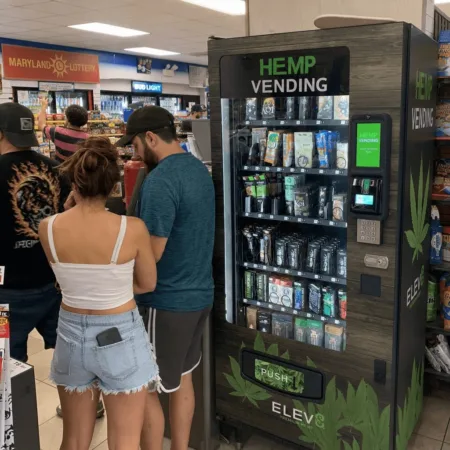
Indiana has long stood as one of the last Midwest holdouts against cannabis legalization, with restrictive laws that criminalize most cannabis-related activity. Medical cannabis is not legalized, and even low-THC hemp faces stringent regulatory scrutiny, according to Marijuana Policy Project. Social stigmas and historic tough-on-drugs attitudes shaped previous policy. But the tide is turning, and recent opinion polls by IndyStar show majority support for Indiana cannabis law reform, with residents demanding safe access, criminal justice reform, and much needed tax revenues. Cannabis sales have become a booming, regulated industry in neighboring states, putting pressure on Indiana lawmakers and, notably, new cannabis legislation in states like Delaware also reflects widespread changes across the country. For more on how other states are influencing policy, see this update from Delaware. In addition, cross-border commerce and enforcement complexities make Indiana’s prohibition increasingly untenable, experts say. Against this evolving backdrop, Indiana cannabis law reform is no longer a fringe talking point, it’s a mainstream political and economic debate.
Key Developments: Gov. Braun’s Statements Reignite Indiana Cannabis Law Reform
The biggest buzz right now is Governor Braun’s recent comments, which have sparked hope for meaningful change. In an interview with WFYI on June 6, 2024, Braun stated, “reform is possible” regarding the state’s cannabis laws. This marks a dramatic shift from Indiana’s typical hardline stance. The governor acknowledged growing public demand and cited successful regulatory models in bordering states, detailing how other Midwestern locations manage complex cannabis law changes, much like what has happened in Ohio with the SB 56 THC law. According to Braun, any change must “balance public health, criminal justice, and economic opportunity,” signaling a nuanced approach to Indiana cannabis law reform. Statehouse insiders claim bipartisan interest is growing, with both House and Senate members expected to introduce new bills this legislative session. While broad legalization remains uncertain, even movement toward medical access or decriminalization would be a historic breakthrough. For now, Indiana remains one of only 14 states without any meaningful medical cannabis law, according to National Conference of State Legislatures. Yet, for the first time in years, the legislative ice seems to be melting.
Expert Analysis: Broader Industry Trends & Pro-Cannabis Counterpoints
Seasoned cannabis professionals aren’t surprised by these signals from Indiana. As Leafly’s policy reporters explain, “Laggard states almost always have to face a mix of market realities, public pressure, and undeniable fiscal benefits.” When states around you rake in tax revenue and reduce criminal justice costs, the writing’s on the wall. In fact, Illinois regulators recently reported year-over-year growth in cannabis revenue, surpassing $1.5 billion in 2023 alone. Indiana’s business leaders, law enforcement veterans, and healthcare professionals increasingly agree that outdated restrictions no longer serve public safety or economic goals. Dr. Peter Grinspoon, a Harvard cannabis specialist cited in Forbes, puts it bluntly, “States that legalize don’t just make money, they reduce opioid deaths, drop arrests, and boost job growth.” Hoosiers are catching on. Despite lingering fears among conservatives and police organizations, most states have not seen dramatic increases in youth consumption, impaired driving, or black-market activity after reform. For a closer look at how the cannabis market is evolving elsewhere, review the story of the PharmaCann Denver facility closure and its effects on the cannabis industry. 2024 might be the year Indiana cannabis law reform finally reaches critical mass.
Indiana’s Road Ahead: A New Era for Indiana Cannabis Law Reform?
Change won’t happen overnight, but the dominoes are ready to fall in Indiana. Governor Braun’s comments have opened the door to serious debate. Public opinion is on the side of reform, and the Midwest’s green wave is reaching the Hoosier State. Activists and business leaders are united in urging lawmakers to embrace common-sense Indiana cannabis law reform. For Indiana, this moment is about more than catching up—it’s about paving a smarter, safer, and more just future. As NORML and other advocates continue their efforts, the momentum is undeniable. Whether for personal freedom, economic renewal, or social justice, the logic of reform has never been clearer. The only question is how quickly lawmakers will answer the call. Watch this space—Indiana cannabis law reform is no longer a pipe dream. It’s poised to become reality.
Originally reported by: wfyi.org
3 Comments
Pingback: Wintersville marijuana dispensaries: Business & Growth Insights
Pingback: SNDL stock investment: See How Your Money Could Grow
Pingback: Nebraska governor candidates: Who will lead Nebraska next?