





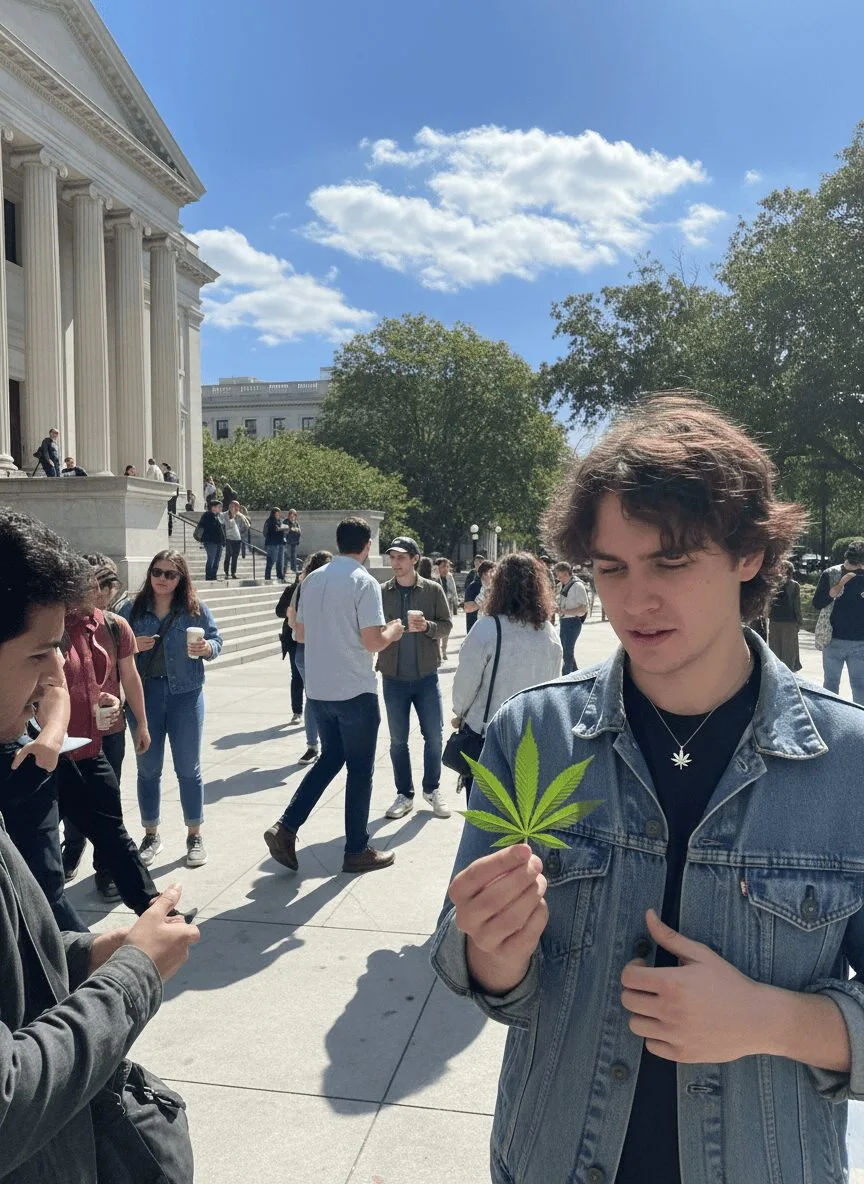
Supreme Court marijuana gun rights: Major decision awaits
The intersection of cannabis legalization and Second Amendment rights has hit the national spotlight, making the Supreme Court marijuana gun rights case hot news for everyone—from everyday advocates to industry leaders. This isn’t just legal theory; it’s about whether responsible adults who legally consume cannabis can also maintain their constitutional gun ownership. With momentum building for both federal cannabis reform and gun rights advocacy, this case could set historic precedent, affect millions, and signal where America stands on these divisive freedoms. Here’s why this Supreme Court marijuana gun rights issue matters right now and what to watch for as the justices deliberate.
The Legal Crossroads: Cannabis and Gun Ownership in America
Let’s put it bluntly, Federal law hasn’t kept up with the times. Even as Pew Research shows over 80% of Americans support some form of marijuana legalization, the Controlled Substances Act still lists cannabis as Schedule I, and the Bureau of Alcohol, Tobacco, Firearms and Explosives (ATF) bars any marijuana user, even in legal states, from owning firearms. These conflicts mean law-abiding citizens face a bizarre choice, enjoy their rights to cannabis or keep their Second Amendment protections. The challenging reality for those caught between state and federal law comes with real stakes, reminiscent of high-profile legal battles highlighted in recent grand jury drug indictment updates, as communities navigate complex legal environments. According to NORML, this divide creates daily legal risks for veterans, medical patients, and recreational users alike. In the last few years, high-profile cases have challenged federal agencies as state-legal markets soar. The Supreme Court marijuana gun rights debate uncovers deep constitutional and civil liberties conflicts, forcing all sides to confront outdated federal legal frameworks and shifting public sentiment.
Key Facts: The Supreme Court Marijuana Gun Rights Case Unpacked
This showdown centers on Bryan Randolph, a Mississippi medical marijuana patient charged under federal law for possessing a firearm while using cannabis—something his state says is medical, but federal law says is criminal. He’s not alone, thousands of patients in states from Illinois to Colorado face similar dilemmas. The Supreme Court is now set to review whether this federal law—18 U.S.C. § 922(g)(3)—violates the Constitution when applied to marijuana users who otherwise follow state regulations. The intersection of cannabis and broader social issues, such as those raised by evolving public opinion and recent polls, mirrors changing leadership and attitudes as highlighted in Maryland’s shifting policy landscape. According to The New York Times and court filings, the case also arrived on the heels of landmark Second Amendment cases like New York State Rifle & Pistol Association v. Bruen, further complicating judicial standards. If the court rules to protect both cannabis use and gun ownership, millions of Americans—especially veterans and patients—may see immediate, nationwide impact. Cannabis business owners and medical professionals are closely watching, as any decision may set new standards for background checks, firearm sales, and marijuana-related offenses across all states.
Expert Analysis: Rights in Conflict or Opportunity to Advance Justice?
This Supreme Court marijuana gun rights debate exposes a uniquely American paradox. As Aaron Smith, co-founder of the National Cannabis Industry Association, recently told Marijuana Moment: “No law-abiding citizen should have to choose between their medicine and their constitutional rights.” Cannabis legalization is on the rise, but federal gun laws have not budged, leaving thousands in legal limbo. Those caught up in multi-level enforcement sometimes experience outcomes as striking as the rapid law enforcement shifts seen after notable community arrest trends and reports. According to a Cato Institute report, medical patients routinely lose firearm access even with doctor approval, while alcohol users face no such scrutiny. The Supreme Court marijuana gun rights decision offers a rare chance to bring logic, and justice, to this patchwork system. If the Court leans toward personal liberties, it could make case law that supports both responsible gun ownership and the right to medicate with cannabis, reflecting broad societal evolution. Industry insiders expect that whatever the result, regulators nationwide will be forced to address inconsistencies and rethink how cannabis users are treated under the law.
Looking Forward: The Next Era for Cannabis and Rights in America
No matter what the justices decide, the Supreme Court marijuana gun rights case will influence future cannabis laws and gun policy across America. If the decision favors patients and responsible users, watch for a wave of updated state regulations, new DOJ guidance, and higher public demand for sensible reforms. According to Leafly’s legal experts, the larger cannabis industry stands ready for a future built on rational rules, respect for individual rights, and growing mainstream acceptance.
As more states legalize cannabis—and as millions join the legal market—the court’s ruling could smooth tensions between state and federal law, helping both personal freedom and public safety. Legacy stigma is fading. Social acceptance rises. The door is open for a smarter, fairer era where Supreme Court marijuana gun rights aren’t an either/or question, but a reflection of the country’s evolving values and common sense.
Originally reported by: mshale.com


