



Warren County drug indictments: Shocking Grand Jury Update
If you’ve been following the steady drumbeat of cannabis legal news, you know change is in the air. The phrase Warren County drug indictments has dominated local headlines, highlighting how shifting laws and increased enforcement intersect with real lives. This isn’t just another case to gawk at—it’s a snapshot of where cannabis culture meets Main Street justice. Let’s blaze through what’s making this such a hot-button topic, and why these indictments matter not just for Warren County, but for anyone paying attention to the shape of legal cannabis in America.
Understanding the Background: Laws, Stigma, and Shifting Norms
Warren County lives at the crossroads of old-school legal strictness and the fresh winds of cannabis normalization. For years, Kentucky’s approach to drug policy has favored hardline enforcement even as many neighboring states ride the green wave toward legalization. According to NORML, Kentucky still considers most forms of cannabis use or possession a criminal offense, while legislation languishes in committee. Socially, the stigma surrounding cannabis is easing, but busts, arrests, and indictments can change the course of anyone’s life in a heartbeat. Community reactions to local enforcement trends often reflect broader shifts across the country, especially as seen with surprising arrest trends and community response in other regions, underscoring how quickly perceptions and policies evolve. At the same time, Pew Research reveals that a majority of Americans are ready for full medical and recreational legalization. In Warren County, though, law enforcement and prosecutors still wield serious power over those caught up in the system, especially when larger networks or suspected distribution come into play.
The Recent Warren County Drug Indictments: Details, Developments, and Legal Implications
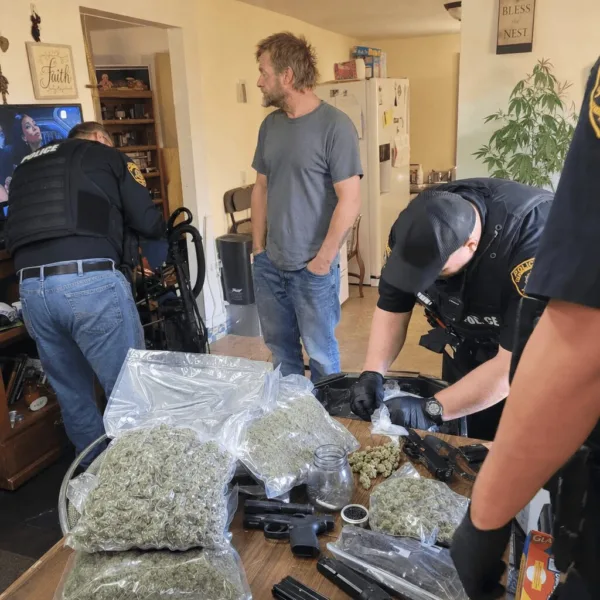
So here’s the lowdown: On April 5th, according to the Bowling Green Daily News, the Warren County Grand Jury handed down a new wave of drug indictments, many directly connected to alleged cannabis distribution. Named individuals face charges including trafficking, possession with intent, and conspiracy, with cases built by the Warren County Drug Task Force after months of investigation. Vehicles, phones, and cash are in evidence, and at least two accused individuals reportedly had trace amounts of cannabis products in their cars at the time of arrest. Patterns seen in regional black market trends, such as those identified during prominent law enforcement seizures in other parts of the country, mirror the challenges Warren County faces. Prosecutors point to patterns seen in regional black market trends while defense attorneys are quick to note the shifting landscape and inconsistencies in what constitutes a major cannabis offense. All told, these Warren County drug indictments underscore the real risks people still face in the evolving Kentucky legal scene, even as national debates point in the other direction. The impact? Potential jail time, felony records, and lives upended, while courts sort fact from fiction and law from gray area.
Expert Insight: Cannabis Laws, Human Costs, and Where We Go From Here
Here’s where deeper digs matter. As Marijuana Moment often reports, these kinds of cases highlight the clash between modern cannabis culture and outmoded laws: “When people are indicted on cannabis offenses in states slow to legalize, we see two Americas colliding,” said Dale Gieringer, NORML California state coordinator. “One wants fair, regulated access, the other fears change, even as overwhelming evidence supports reform.” The Warren County drug indictments reflect how confusing, inconsistent enforcement creates a patchwork nightmare—especially if you’re just trying to live, work, or medicate in peace. Questions about how cannabis can impact mental health are often misunderstood in both legal and public spheres, as discussed in comprehensive coverage of scientific research and stigma. Industry trends show the US cannabis market is booming, with New Frontier Data projecting multi-billion dollar growth by 2030, and Kentucky’s continued tough stance could stifle local industry, innovation, and job creation. Experts agree: education and fair legislation are the only real paths forward.
The Road Ahead: Hope, Change, and Lessons from Warren County
Where does Warren County go from here? If you love this plant or just value practical, compassionate policy, there’s reason to be optimistic. Every high-profile bust—like these Warren County drug indictments—sparks more debate, more learning, and more pressure for laws that fit the times. According to the National Organization for the Reform of Marijuana Laws (NORML), states that embrace regulated cannabis access see lower rates of black market activity, fewer unjust incarcerations, and stronger public health outcomes. Kentucky stands at the threshold of reform—and how it responds could shape southern cannabis culture for a generation. With more Americans than ever backing sensible cannabis laws, and with industry, community, and even law enforcement voices joining the call for change, the smart money is on evolution, not more entrenchment. So keep watching Warren County. The future of fair, sensible cannabis in Kentucky—and across the U.S.—might just be forged in stories like these.
Originally reported by: bgdailynews.com
2 Comments
Pingback: Supreme Court marijuana gun rights: Major decision awaits
Pingback: Johnston County marijuana bust: High-speed chase ends in major drug seizure