
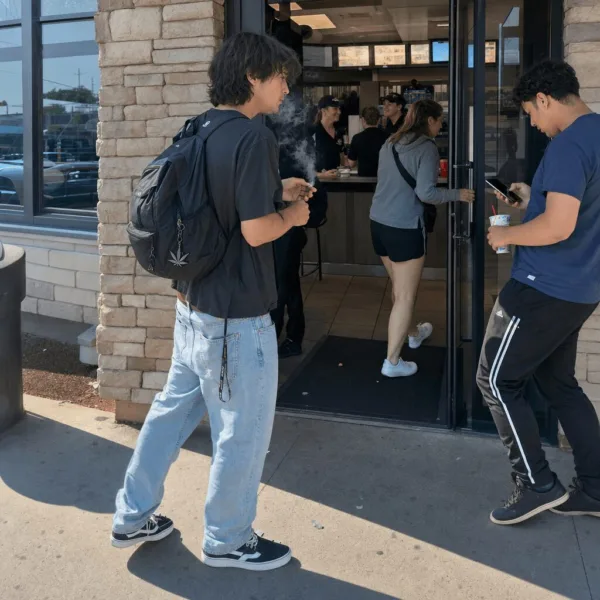




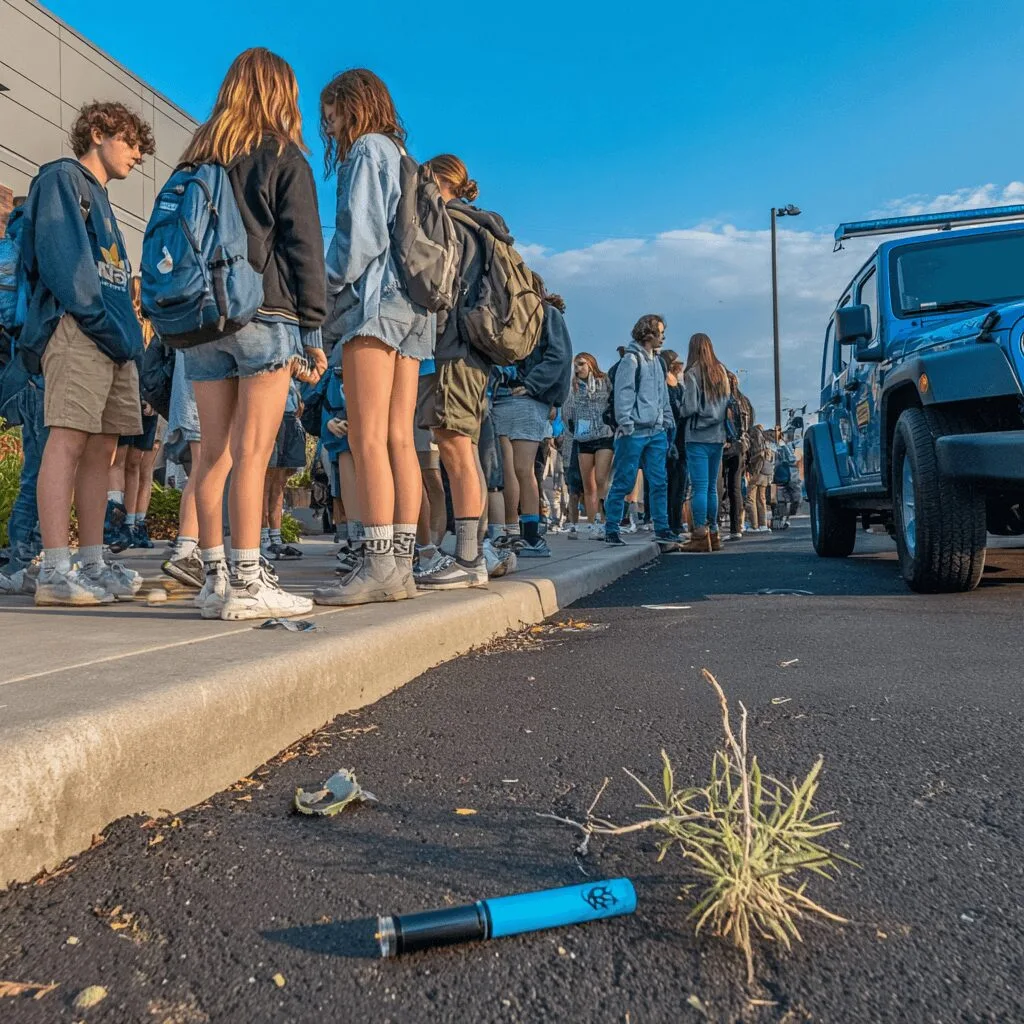
Shocking student THC vaping incident leads to accident
The recent student THC vaping incident at Mattawoman Middle School has sparked urgent conversations among parents, educators, and the wider cannabis community. With vaping devices containing THC gaining popularity, especially among younger people, the risks—and headlines—are ramping up. This case isn’t just another blip on the news radar—it’s a wake-up call about what happens when access, regulation, and awareness don’t keep pace with consumer trends. Stick with me as we break down what unfolded, why it matters, and what the future might look like for cannabis culture, regulation, and youth education.
The evolving landscape: Cannabis, youth, and regulation
The rise of incidents like this student THC vaping incident isn’t happening in a vacuum. Over the last decade, state-level cannabis legalization has exploded, with markets like California, Colorado, and Illinois leading the charge (NCSL). The national conversation has grown especially intense as sweeping regulatory changes are reshaping cannabis policy, including those highlighted in major 2024 updates to the Hemp Industry Farm Bill. Yet, even with robust legal frameworks for adults, the teen vaping dilemma remains a gnarly challenge. Regulators are battling to keep illicit products and high-potency pens out of young hands. Federal law, per the FDA, bans THC vaping products for those under 21, but knockoffs and gray-market goods slip through the cracks. Social media amplifies access, fueling curiosity and misinformation, which has echoes in local debates like those seen in communities where cannabis bans spark local action.
Key facts: What happened in the Mattawoman Middle School student THC vaping incident
According to SMNEWSNET, the student THC vaping incident unfolded on June 5, 2024. A 13-year-old Mattawoman Middle School student fell seriously ill after using a vape pen later confirmed to contain THC—the psychoactive compound in cannabis. In a dramatic turn, the teen collapsed near a busy school sidewalk and, disoriented, was accidentally struck by a vehicle as emergency crews rushed to the scene. Onlookers and community members expressed concern, drawing parallels to incidents that raise broader safety debates such as those making headlines at dispensaries in Ohio. Charles County authorities reported the vape device appeared to have subtle cannabis branding, raising red flags for investigators tracking illicit market influences. School officials and medical responders acted quickly, ensuring the student received prompt attention. No major injuries were ultimately reported, but shockwaves rippled through the community as parents, teachers, and fellow students reckoned with the realities of youth vaping and accidental exposure. Police are actively investigating the incident, including the device’s origin and distribution—forensic analysis and interviews are ongoing, according to local law enforcement sources. The school district emphasized that policies on cannabis and vaping are strict, mirroring state legal standards, but they stress that the allure of vaping among youth remains dangerously high, especially with products designed to fly under the radar.
Expert analysis: Why this student THC vaping incident hits close to home
This student THC vaping incident underscores a problem the cannabis industry has been trying to get ahead of: underage access and accidental exposures. Colorado-based cannabis policy expert Amanda Reiman, quoted in Marijuana Moment, notes, “While regulated states make real efforts to keep products age-gated, the black market fills gaps wherever enforcement lags. Education and open conversations—not prohibition—are the best tools for prevention.” Recent regulatory shifts at the federal level, which are explored in broader marijuana regulatory overviews, are also part of the discussion. Research from CDC also stresses that teen vaping rates climbed dramatically over the past five years due to stealthy device marketing and lack of community engagement. The shock and concern following the Mattawoman student THC vaping incident is a clear indicator: the industry, regulators, and communities must partner up. Legalization alone can’t solve access if vigilance and education don’t keep up.
Looking ahead: Cannabis, community, and safer futures
The student THC vaping incident at Mattawoman should serve not just as a cautionary tale, but fuel for proactive change. The good news? Industry-led initiatives are emerging to boost education, advance packaging tech, and align with tougher youth prevention strategies. States like California and Massachusetts have ramped up compliance sweeps and public education, drawing on data from the National Library of Medicine showing the effectiveness of layered approaches. Social acceptance of cannabis is soaring, but so is the demand for smarter policy and candid conversations. If schools, families, and the cannabis community double down on transparency and awareness, future news cycles on student THC vaping incidents could focus less on tragedy—and more on solutions, accountability, and responsible use.
Originally reported by: smnewsnet.com



1 Comment
Pingback: Cannabis Legalization New York: Don’t Miss This Crucial Roundtable