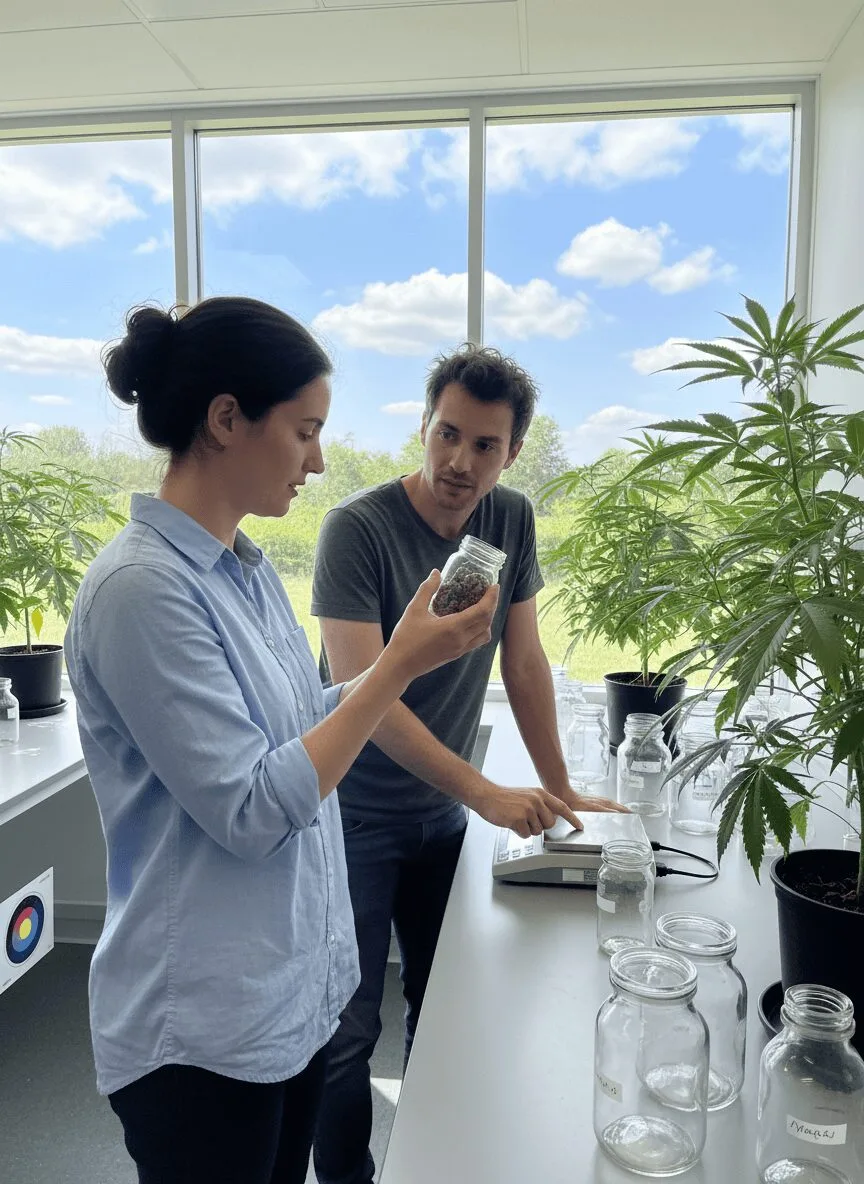
Standard Cannabis Measurement: What You Need to Know Now
The cannabis industry is buzzing about standard cannabis measurement, and for good reason. As legalization gains momentum and the consumer market expands, regulators, scientists, and everyday users are finally aligning on a universal measuring system. Why does this matter right now? Because standardization is set to revolutionize user safety, product labeling, and research—right when public interest and regulatory scrutiny are at an all-time high. In this deep dive, I’ll walk you through how standard cannabis measurement is impacting regulations, market trends, and real-world cannabis experiences.
Why Standard Cannabis Measurement Matters: Regulatory & Market Context
Let’s face it, cannabis consumers deserve clarity, whether they’re long-time tokers or bright-eyed newcomers. The days of guessing what a ‘joint’ or ‘dose’ really means are fading. Today, accuracy is key, both for personal health and for moving the industry out of a legal gray zone. Regulators across the globe, like those highlighted in Leafly’s policy coverage, are pushing for a universal approach to quantity measurement in cannabis products.
This isn’t just a nerdy regulatory fix. As more governments greenlight cannabis, market expansion depends on people knowing exactly what they’re consuming. That means clear labels, tested products, and universal terms. Inconsistent measurements can lead to accidental overconsumption or confusion, which is hardly great for brand trust or public health. There are also ongoing debates like the legal scrutiny surrounding hemp shaping industry development. On top of this, researchers need standardized data for real, apples-to-apples comparisons. According to the NORML blog, this harmonization could unlock better dosing protocols, medical studies, and cross-border commerce.
The Breakthrough: Key Developments in Standard Cannabis Measurement
Here’s the scoop: a group of international scientists recently landed on an agreed-upon cannabis measurement standard after years of debate and patchwork laws. Their proposal, published in 2023 and reported by ScienceAlert, defines a single unit of THC, the active component in weed, as precisely 5 milligrams. That’s right: forget about vague ‘servings’ or ‘joints’, we’re talking a pharmaceutical-grade dose.
This decision emerged from researchers at the Global Cannabis Commission and the Institute of Psychiatry, Psychology & Neuroscience at King’s College London. The work was a response to rising international cannabis use and increasing product diversity (think edibles, tinctures, and concentrates, not just flower). The team reviewed laws in markets like Canada, California, and Germany to hammer out a universal definition that could keep pace with real-world cannabis trends, which is especially urgent given the complexities of new products and legal changes such as those involved in major marijuana seizures and enforcement cases in Memphis.
This move toward standardization comes as countries re-evaluate legal frameworks, and it couldn’t come at a better time. According to Rolling Stone, North America alone has seen an explosion of new products, and with it, confusion over dosages, equivalencies and labeling. Recent discussions also highlight the significance of reform efforts such as the new cannabis testing standards in Michigan that could shake up the industry.
Expert Analysis: What Standard Cannabis Measurement Means for Users, Science, and the Industry
First, let’s talk usability. When everyone—growers, scientists, doctors, and your neighbor’s uncle—uses the same standard, risks drop and trust goes up. Dosage confusion is a thing of the past, and users can compare experiences reliably. Medical professionals, meanwhile, can finally prescribe products with precision.
Second, research just got supercharged. “Standardizing cannabis measurement gives us the missing piece to unlock consistent, global research on dosing and effects,” explains Dr. Tom Freeman of King’s College, quoted in his LinkedIn commentary. That’s huge for medical studies and public policy formation. Looking at consumption, people searching for the ideal product may find that the evolving landscape has made it easier to enjoy a range of quality edibles on the market (as seen in the latest on THC edibles such as brownies and cookies).
Let’s not ignore the retail side: dispensaries can now develop universally-understood labels. This makes life easier for everyone from first-timers to connoisseurs. Pricing, taxation, and marketing get cleaner. Major players like those interviewed by The New York Times agree, standard cannabis measurement lays the groundwork for smarter regulations and more robust, trustworthy products.
Looking Forward: Standard Cannabis Measurement Is Just the Beginning
This breakthrough is just the first chapter. As more regions legalize and innovate, standard cannabis measurement is likely to become a global expectation. Health agencies, scientists, and the industry as a whole are finally on the same page, making it easier to study, sell, and safely enjoy cannabis.
More states and countries are poised to adopt these standards, boosting consumer confidence and regulatory legitimacy. We’re moving toward a more transparent, data-driven cannabis culture—one that values informed choice, responsible use, and shared understanding. According to MJBizDaily, the demand for standardized practices will only grow as the market diversifies.
For enthusiasts, advocates, and skeptics alike, this is a major win. It proves that the cannabis movement is ready to play in the big leagues, guided by science and crafted with care. Here’s to a future where everyone—no matter their cannabis journey—speaks the same language of measurement. Stay tuned: the next big cannabis moment could be just a few milligrams away.
Originally reported by: sciencealert.com