



Hemp Legal Scrutiny: What It Means for the Industry Now
If you thought the green rush was all sunshine, here’s your wake-up call. Hemp legal scrutiny is coming down hard, and it’s reshaping everything from farmer confidence to product shelves across the States. Whether you’re a hemp grower trying to stay legit, a processor anxious about compliance, or simply someone riding the wellness wave, the latest shake-ups make hemp’s path forward a must-watch topic. This is more than just another policy tweak—the stakes are huge. In this article, we’ll break down the background, highlight the critical legal developments, and explain what hemp legal scrutiny really means for everyone invested in the cannabis landscape.
Regulatory Roots: Why Hemp Legal Scrutiny Is Surging
The evolution of hemp legal scrutiny is about more than just lawmakers catching up to consumer demand. Since the 2018 Farm Bill federally legalized hemp (with THC limits below 0.3%), the industry exploded with growth and innovation. However, nuanced differences between hemp and federally illegal cannabis, and confusion about minor cannabinoids like delta-8 THC, kept regulators uneasy. State agencies have responded with a patchwork of rules, fueling market uncertainty and legal gray areas. These shifting policies have impacted other cannabis markets as well, as seen in areas debating policy reversals and market regulations, such as in Massachusetts where the direction of marijuana law is vigorously debated. Meanwhile, as products fly off shelves in both wellness shops and smoke stores, public pressure for consumer safety, accurate labeling, and reliable THC measurements has intensified. According to a Brookings Institution analysis, federal and state agencies are struggling to balance innovation against public health. Market value is high, but so is the risk, and that puts hemp legal scrutiny front and center.
Major Moves: Recent Developments Defining Hemp Legal Scrutiny
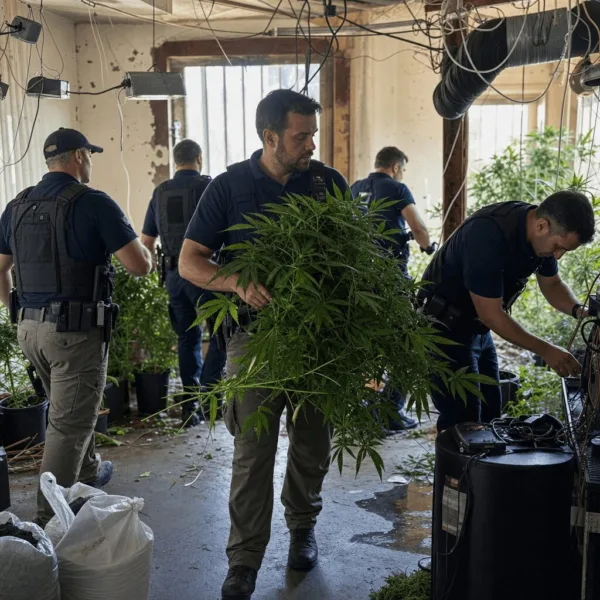
Let’s get into the real dirt. According to recent legal analysis by JD Supra, hemp legal scrutiny has intensified since 2023. State legislatures are introducing bills to restrict or even ban hemp-derived cannabinoids, especially delta-8 and delta-10 THC, due to concerns over potency and underage sales. For example, Kentucky’s House Bill 544 placed sweeping restrictions on all intoxicating hemp products, while the Illinois Department of Financial and Professional Regulation cracked down on labeling requirements for edibles and oils in 2024. Business owners such as Botanic Alternatives LLC and Green Road Innovations have faced inspection sweeps and temporary product holds, sometimes for issues as minor as batch mislabeling. Recent market events highlight that even established brands risk expensive recalls, much in the same way that changes in Michigan’s cannabis testing standards are rocking local businesses. On the enforcement side, state police have coordinated with agricultural departments to seize inventory, a costly headache for farmers and retailers alike. According to MJBizDaily reports, legal battles in states like Texas and Virginia signal wider industry ramifications: some lawsuits challenge the definition of ‘intoxicating’ hemp, while others seek to clarify the status of minor cannabinoids. All roads lead back to hemp legal scrutiny, and no one in the industry is untouched.
Industry Insights: What Deeper Hemp Legal Scrutiny Means
With hemp legal scrutiny hitting higher gear, industry pros are split between nervous anticipation and bold action. The heightened rules are upending supply chains, forcing businesses to rethink their approaches to compliance and risk. As Cannabis Business Times elaborates, the legal complexities stem from emerging science (on new cannabinoids) outpacing slow-moving statutes. Industry stakeholders in areas with evolving medical access may find parallels, similar to how patients in Missouri navigate the clarifications of medical cannabis rights. Some experts welcome the scrutiny. As Jonathan Miller, General Counsel of the U.S. Hemp Roundtable, put it: “Smart regulation protects both honest producers and health-conscious consumers. But arbitrary crackdowns risk shutting down the very innovation that hemp legalization was designed to promote.” In this climate, successful companies are upgrading their testing, fortifying documentation, and participating in industry lobbying groups. Yet, they’re also wary of being battered by a shifting legal landscape that sometimes feels like a game of regulatory whack-a-mole. What’s certain, hemp legal scrutiny is separating the fly-by-night brands from sustainable players, and that’s no bad thing for a maturing market.
Looking Forward: Hope and Hurdles in the Hemp Marketplace
The hemp industry’s resilience is legendary, and deeper hemp legal scrutiny may actually help its long-term credibility. Innovation, social acceptance, and public support for responsible cannabis use are all trending higher, as reflected in a recent Pew Research Center survey. Regulators, businesses, activists, and consumers have a rare chance to co-create sensible laws that foster both safety and opportunity. The headline: hemp legal scrutiny is forcing the industry to grow up, and that’s how genuine progress gets made. So, while the weed world isn’t always easy, those bold enough to adapt will shape the next era of hemp. Raise your rolling papers to that future.
Originally reported by: jdsupra.com



1 Comment
Pingback: THC threshold and CUD risk: What Science Reveals Now